OpenAI CEO Sam Altman Testifies on Musk's Alleged Plan to Pass Control to Children
Sam Altman has taken the stand to counter Elon Musk's lawsuit challenging OpenAI's corporate structure, recounting a specific proposal regarding succession and criticising management tactics that allegedly harmed the organisation's research culture.
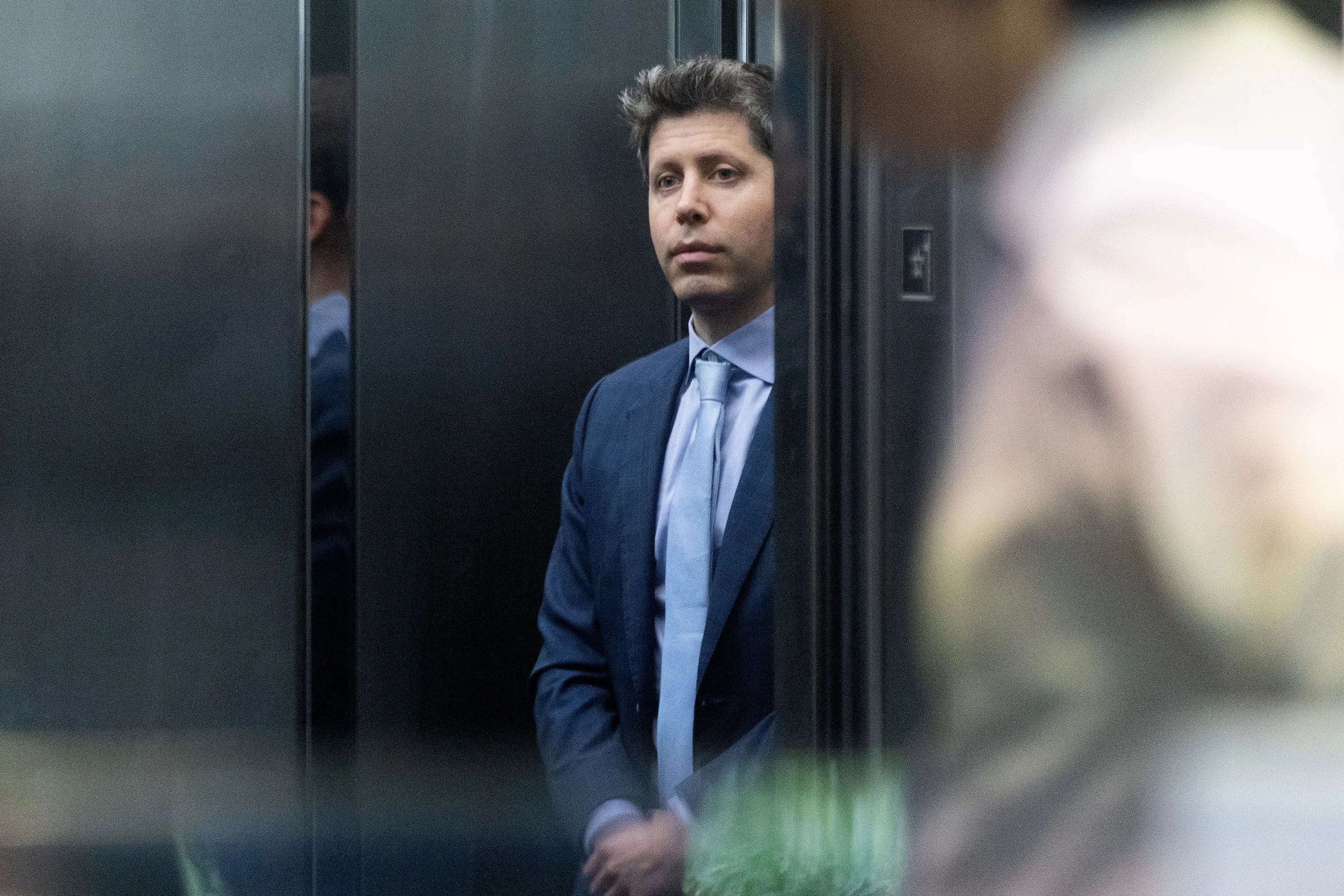
OpenAI chief executive Sam Altman has testified in court regarding Elon Musk's legal challenge to the company's corporate structure. During the proceedings, Altman recounted a 2017 conversation where Musk suggested passing control of a hypothetical for-profit OpenAI to his children if he died. Altman described this proposal as particularly hair-raising and alarming, noting it contradicted the organisation's core mission to prevent advanced AI from being controlled by a single individual.
The testimony addressed Musk's attorneys' argument that the OpenAI foundation, which now holds assets estimated at $200 billion, lacked full-time employees until earlier this year. OpenAI board chair Bret Taylor confirmed that the absence of full-time staff was due to the challenge of converting equity to cash, a process completed with the organisation's most recent restructuring in 2025. This timeline was central to the legal question of whether the company's commitment to safety was abandoned as its commercial power grew.
Altman further criticised Musk's management tactics, alleging they demotivated key researchers and significantly damaged the organisation's culture. He stated that Musk required co-founders Greg Brockman and Ilya Sutskever to stack rank researchers and take a chainsaw through a bunch of their accomplishments. Altman noted that while such methods might work for engineering and manufacturing, they did not suit a research lab, causing huge damage for a long time.
Drawing on his experience running the startup accelerator Y Combinator, Altman highlighted the risk of founders retaining control. He observed that founders who retain control often do not relinquish it, a dynamic that contradicted the company's safety-first ethos. This concern was compounded by Musk's specific plans on safety, which Altman said made him worry during a pivotal period when the founders were wrestling with how to obtain funding to power their AI models.
The legal clash followed an unresolved dispute over management and control, leading Musk to leave OpenAI's board and launch competing AI initiatives at Tesla and his own startup, xAI. Despite the fallout, Altman kept in touch with the businessman, updating him on OpenAI's work and seeking his funding and advice. OpenAI's lawyers noted that Musk had been kept up to date and asked to participate in investments that his lawsuits now claim corrupted the non-profit.
During a discussion of a Microsoft investment into OpenAI in 2018, Altman recalled a meeting with good vibes, contrasting it with other interactions where Musk showed memes on his phone. The central question remains whether the company's dedication to safety was left behind as it expanded commercially, a point Altman defended by emphasising the foundation's incredible work and future potential.
