OpenAI brings Codex desktop control to ChatGPT mobile apps
The move signals a strategic pivot toward enterprise growth and desktop integration, following competitive pressure from rivals such as Anthropic.
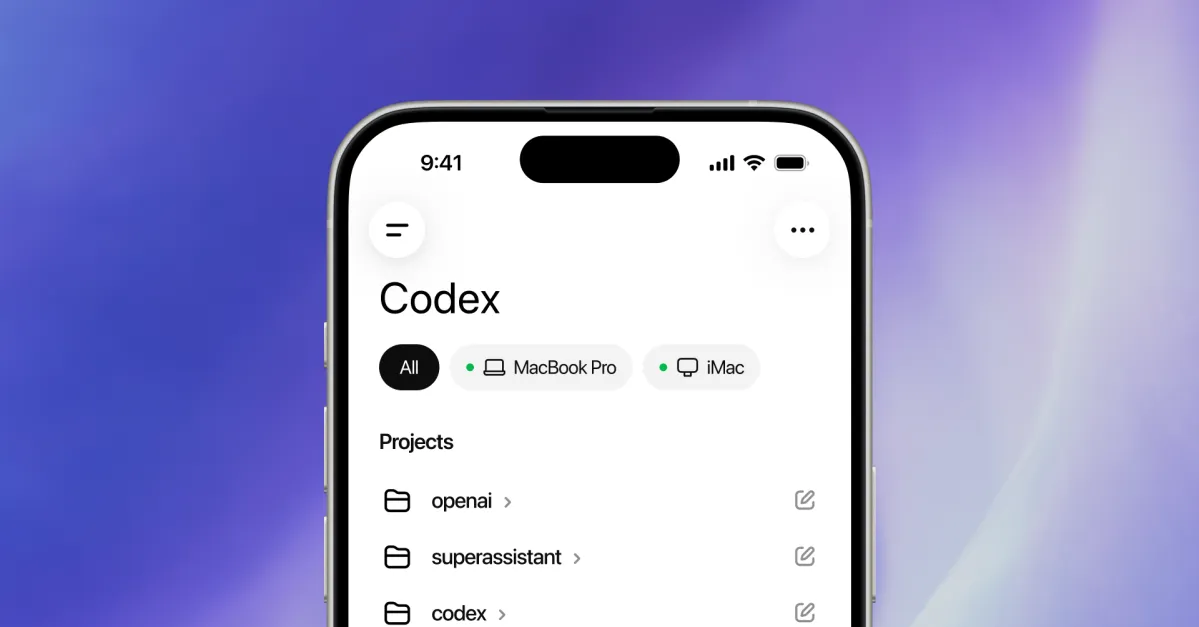
OpenAI has initiated a preview rollout of its Codex desktop artificial intelligence tool within the ChatGPT mobile application for iOS and Android. The update, accessible across all subscription tiers including the free plan and the Go plan, enables users to remotely control the desktop agent to write code and operate computer applications directly from their phones.
The integration allows users to manage tasks, review outputs, approve commands, switch models, or initiate new threads via their mobile devices. According to the company, data, credentials, permissions, and local setup remain secured on the user’s machine, while real-time updates such as screenshots, terminal output, diffs, and test results flow back to the phone.
This development follows a recent major update to Codex that expanded its capabilities to operate applications on macOS. The expansion aligns with OpenAI’s broader ambition to establish a desktop “superapp” ecosystem, consolidating its tools into a unified interface for users.
The acceleration of this feature appears to be a direct response to the surge in popularity of Anthropic’s Claude Code. To prioritise its core initiatives and enterprise business growth, OpenAI has reportedly cut back on “side quests” and shut down projects such as the Sora video-generation tool.
The feature is currently available as a preview, indicating that the functionality may still be subject to change. Specific timelines for full stability or broader availability beyond the current preview stage have not been detailed.
