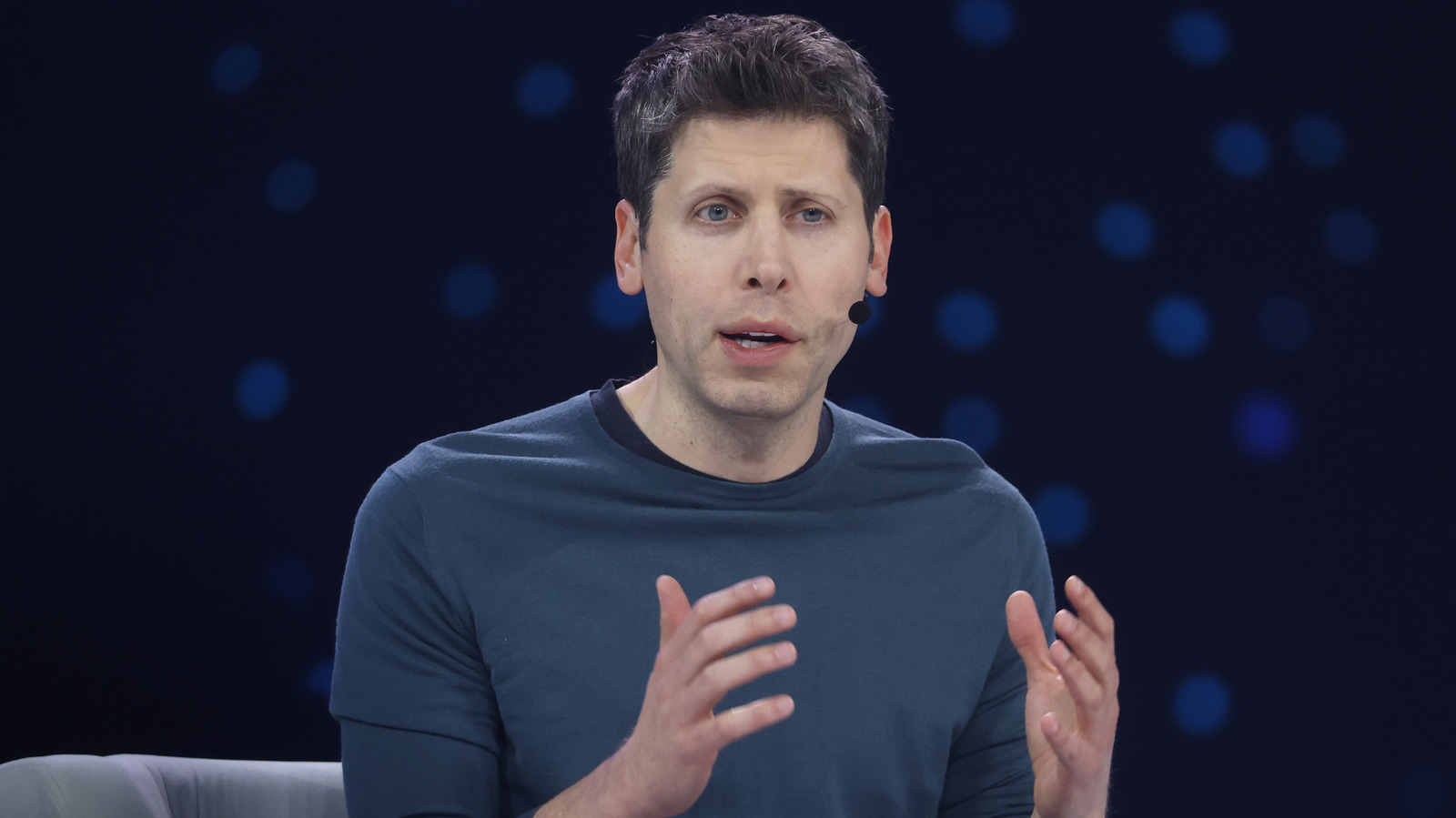
OpenAI appoints Thibault Sottiaux to lead ChatGPT super app transformation
The restructuring marks a significant pivot for the San Francisco-based company as it seeks to revitalise growth and compete with Google and Anthropic.
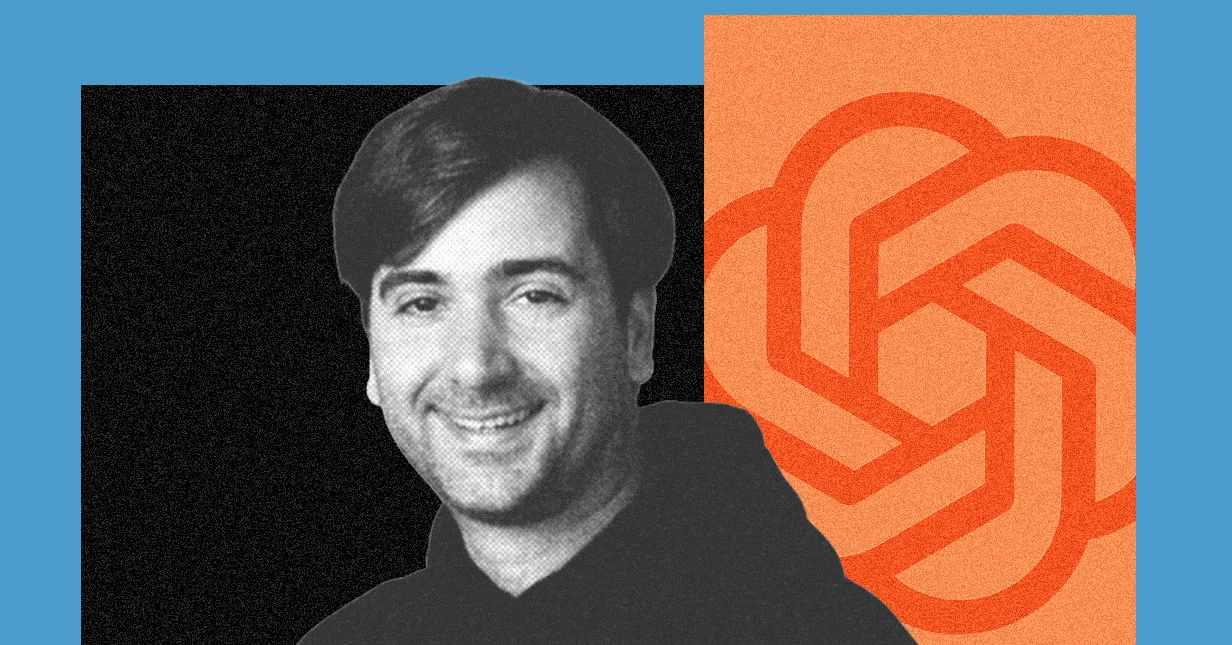
OpenAI has appointed Thibault Sottiaux as head of core products, placing him in charge of a major overhaul of ChatGPT into a personalised "super app" AI agent. Sottiaux, who was instrumental in developing the coding tool Codex, will oversee the integration of Codex into ChatGPT to create a unified platform capable of handling personal and professional tasks. The initiative involves the closure of standalone products, including the video generation app Sora and an AI platform for scientists, with many executives from those teams having left the company.
Sottiaux now reports directly to Greg Brockman, who oversees all product teams, while CEO of AGI deployment Fidji Simo is on medical leave. The move aims to revitalise OpenAI’s growth ahead of an anticipated initial public offering (IPO) and strengthen its position against competitors such as Google and Anthropic. The company intends to release updates via a series of small releases rather than a single large launch to gather feedback and mitigate risk.
The term "super app" typically refers to platforms in Asia, such as WeChat, which bundle messaging, payments, and shopping into a single interface. OpenAI’s vision differs from Asian super apps as it aims to plug into pre-existing Western infrastructure, including Gmail, Instagram, and credit card networks. An expanded partnership with Visa for agentic payments has been announced, and the company has previously integrated ChatGPT and Codex with email, Slack, and calendar services.
Sottiaux plans to merge Codex into ChatGPT in the "coming weeks," noting that much of the functionality is already available in the Codex app. Codex has become one of OpenAI’s fastest-growing revenue streams, initially serving developers but now seeing strong growth with non-technical users. Sottiaux’s Codex team previously consisted of approximately 40 people, though the core team for the super app project remains relatively small.
OpenAI’s previous attempts at web-navigating agents, such as Operator and ChatGPT Agent, were restricted due to model reliability issues and lack of consumer adoption. Sottiaux, who joined OpenAI in 2024 after working at Google DeepMind on infrastructure for tools like AlphaGo, claims the technology is now reliable enough to support a general-purpose agent. The company is betting that creating one personalised assistant for everything will make it the unequivocal leader in the consumer and enterprise AI race.