Opal Electronics Secures $40 Million Series B Led by OpenAI for AI Audio Pivot
The San Francisco-based startup plans to launch its first non-webcam device within three to four months, offering users the ability to switch between AI models from major labs including OpenAI, Anthropic, and xAI.
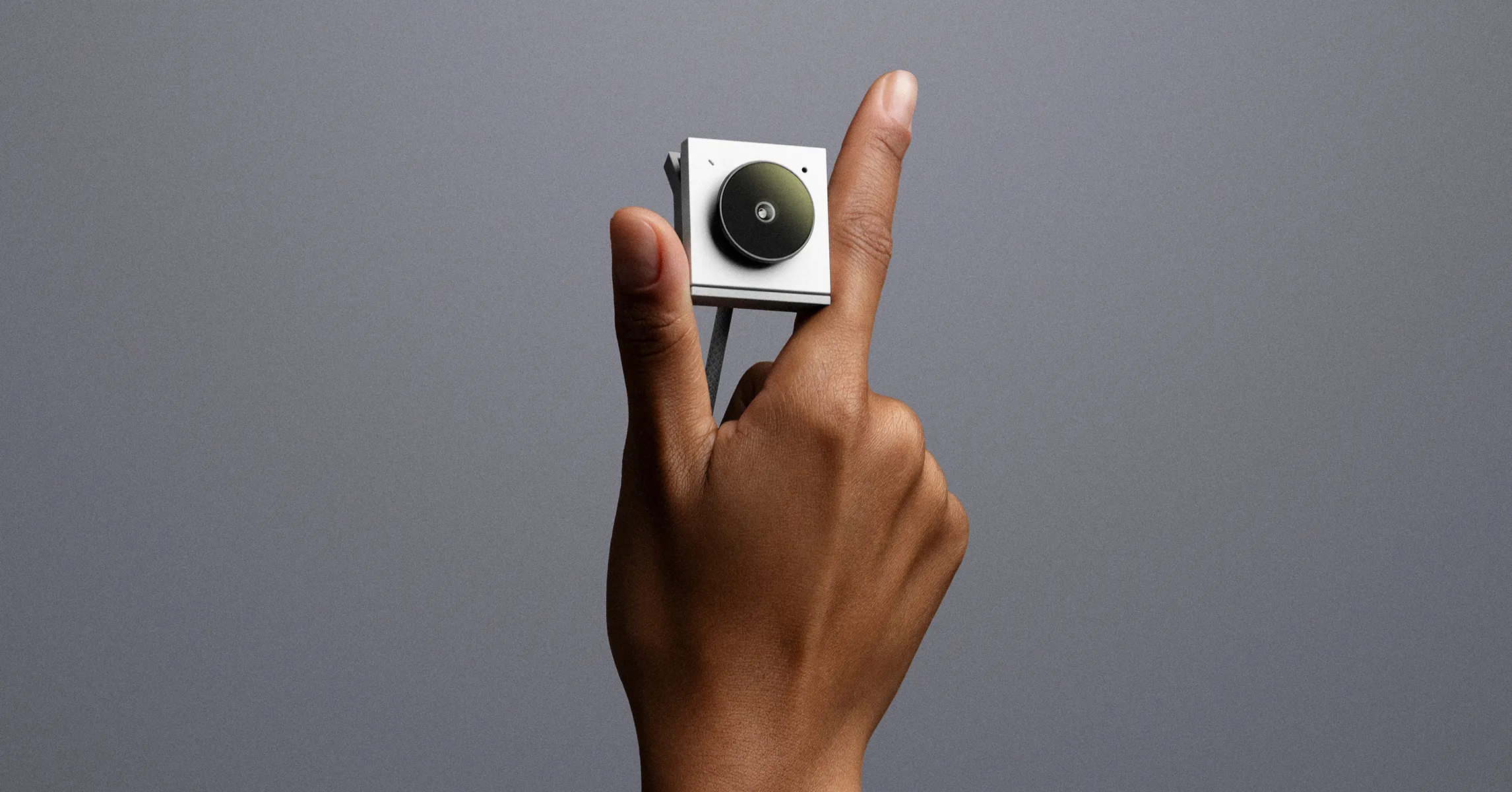
Opal Electronics, formerly known as Opal Camera, has completed a $40 million Series B funding round led by OpenAI, marking a strategic pivot from its origins as a webcam manufacturer to a broader consumer electronics company. The deal, which closed in the first quarter of 2025, values the company at approximately $275 million. Additional investors in the round include Samsung, Peter Thiel, Seven Seven Six, and Marques Brownlee.
The company’s new direction is anchored by an AI-powered audio gadget expected to launch within three to four months. This device will allow users to switch between artificial intelligence models from various providers, including OpenAI, Anthropic, and xAI. The product is currently undergoing testing by OpenAI CEO Sam Altman, OpenAI researchers, and executives at xAI, Thinking Machines, and Anthropic.
The relationship between Opal and OpenAI dates back to 2022, when Altman and his team visited Opal’s offices to explore running OpenAI’s Whisper voice transcription model locally on Opal’s C1 webcam. During that meeting, OpenAI provided a preview of ChatGPT, which influenced Opal’s decision to pivot towards AI hardware. The new audio product, developed over the last few years, was the catalyst for Altman’s investment.
Despite the high-profile nature of the funding, Opal intends to maintain a small operational footprint. The company, which has a team of 12 people, manufactures its products in Taiwan. Opal plans to remain independent in its intellectual property rights, with OpenAI holding no rights to Opal’s designs or technology. The company also plans to release two additional products within the next 12 months.
In a sector where recent AI hardware ventures such as the Humane Ai Pin and Rabbit R1 have struggled with adoption, Opal is adopting a measured approach. The company plans to release design schematics, manufacturing plans, and software to the public domain upon the end-of-life of its products, aiming to ensure longevity and repairability rather than rapid obsolescence.