OnePlus Parent Oppo Withdraws Brand from Western Markets Amid Volume Collapse
The subsidiary of Oppo is effectively exiting North American and European smartphone markets, with staff layoffs and office closures confirming a shift in focus. Global market contraction and memory shortages compound the challenges for the once-prominent ‘flagship-killer’ brand.
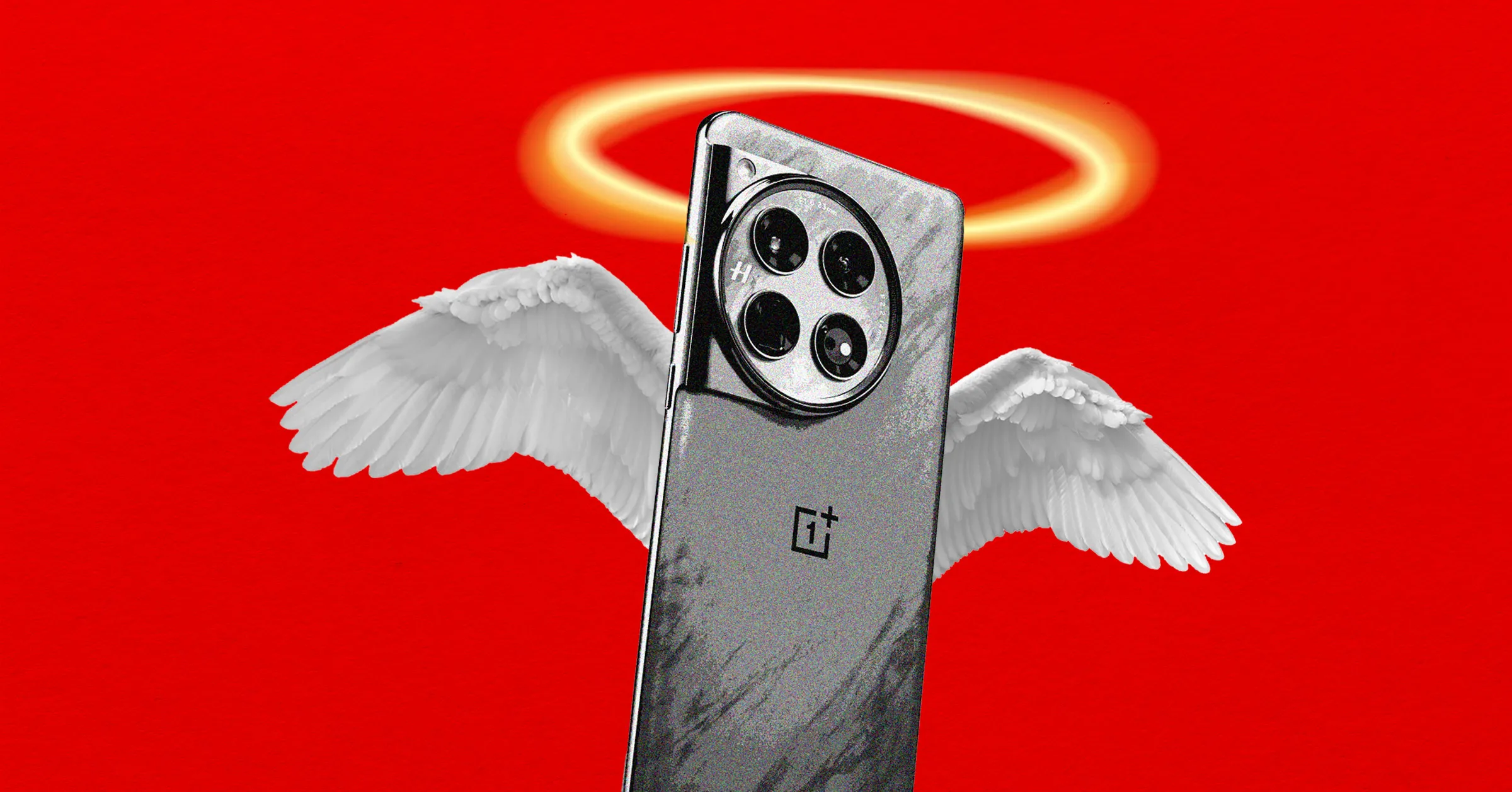
OnePlus, a subsidiary of Oppo, is effectively withdrawing from the North American and European smartphone markets to concentrate on its home market in China. The move follows staff layoffs and office closures in these regions, with many employees transitioning to roles at Oppo or its subbrand Realme. While Oppo has not issued a formal declaration of withdrawal, its strategic statement indicates that Realme will now focus on overseas markets while OnePlus maintains its product roadmap primarily for China, where it accounts for the majority of its current volume.
The strategic shift coincides with a precipitous decline in the company’s presence in the United States. According to Nabila Popal, senior research director of Consumer Devices at the International Data Corporation (IDC), OnePlus shipments in the US fell from 1 million units in 2019 to just under 130,000 in 2025, representing a volume drop of approximately 90 per cent. This decline accelerated after T-Mobile dropped its key carrier partnership in 2023. With carriers driving as much as 66 per cent of US smartphone volume, the loss of this channel significantly hampered OnePlus’s ability to compete in a market dominated by Apple and Samsung.
Market share data further illustrates the brand’s contraction. In 2021, the US represented around 22 per cent of OnePlus’s shipments, with similar figures from Europe and 18 per cent from China. By 2025, the balance had flipped, with 56 per cent of volume coming from China. Including the Asia Pacific region, this figure rises to 91 per cent, up from 51 per cent in 2021. Popal noted that OnePlus’s market share in the US fell from 1.8 per cent in 2021 to 0.1 per cent in 2025, as Apple and Samsung’s combined share grew from 73 per cent to 80 per cent over the same period.
The withdrawal occurs against a backdrop of broader industry headwinds. Global smartphone shipments declined by 11 per cent year-on-year in the second quarter of 2026, reaching the lowest level for that period in 13 years, according to research firm Counterpoint. This contraction is partly driven by a memory shortage linked to the AI boom, which has consumed RAM for data centres. While Apple and Samsung saw growth, competitors including Oppo, Xiaomi, and Vivo experienced sharp declines. Vivo is part of BBK Electronics, the same conglomerate that owns Oppo and OnePlus.
Analysts suggest that OnePlus’s struggles were also exacerbated by its pricing strategy. Popal observed that the brand initially disrupted the market with affordable ‘flagship-killer’ devices but later replicated the premium market by increasing prices, a move that failed to command consumer loyalty beyond a certain point. As OnePlus joins a growing list of manufacturers that have scaled back or exited the mobile business, the brand’s absence from Western markets marks a significant consolidation in the global smartphone landscape.
