Oncologist urges medical profession to engage, not dismiss, social media wellness influencers
A recent opinion piece in The Guardian highlights the growing influence of unqualified influencers on patient decisions, citing clinical cases of harm and a significant trust gap between traditional medicine and digital platforms.
Australian oncologist Dr Ranjana Srivastava has published an opinion piece in The Guardian, arguing that medical professionals must actively address the influence of unqualified social media wellness influencers rather than dismissing them. Srivastava contends that while outrage from doctors rarely changes patient minds, the failure to engage with this digital landscape poses significant risks to public health.
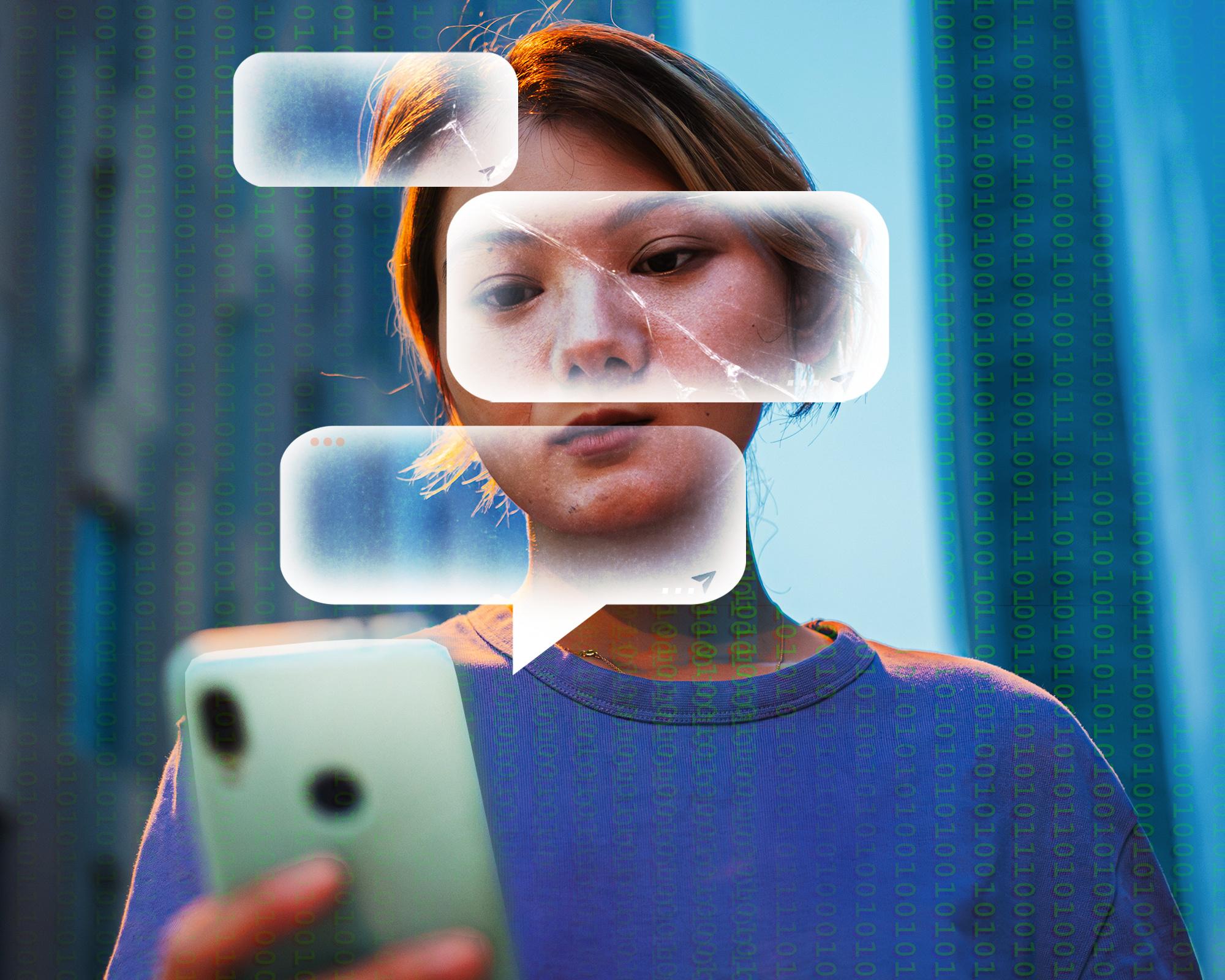
The article draws on clinical experiences where patients adopted harmful practices based on online advice, including restrictive diets that led to anaemia and alternative treatments such as ivermectin for cancer. Srivastava notes that patients are increasingly turning to Instagram and TikTok for health guidance, often while waiting for appointments, creating a disconnect between traditional medical trust and social media engagement.
Data cited in the piece reveals a stark disparity in digital presence. A large study indicates that only 17 per cent of conventional doctors, dentists, and nurses are on social media, compared to 31 per cent of life coaches and 28 per cent of business owners offering health advice. Furthermore, 16 per cent of influencers rely solely on "lived experience" without professional credentials, yet nearly one in ten studied had more than one million followers.
Demographic trends underscore the scale of the issue, with half of US adults under age 50 and two-thirds of Australian teenagers obtaining health information from social media. Srivastava points out that neither young people nor their parents consistently distinguish fact from fiction, a concern heightened by rising vaccine refusal and the persistence of medical scepticism following the pandemic.
In response to these challenges, Srivastava suggests that doctors should engage with patients dispassionately, acknowledge the limitations of medicine, and support credible professional influencers. She also calls for institutions to educate the public on misinformation hazards, noting that China has already banned unqualified influencers from offering health advice.