Omaha 2026: SEC Dominance and Institutional Parity Define College World Series
With the Southeastern Conference securing a record five berths and no returning teams from 2025, the tournament in Omaha signals a significant realignment of power and prospect valuation in collegiate athletics.
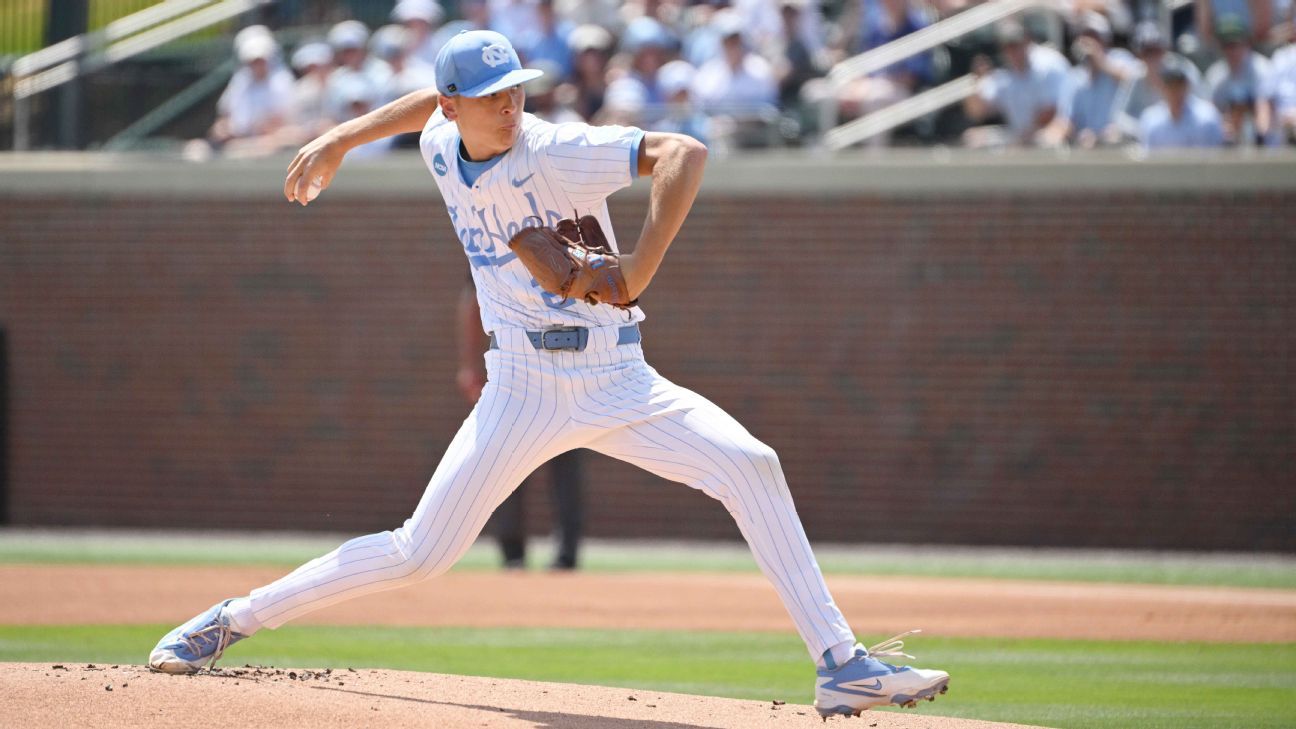
The 2026 Men's College World Series commenced in Omaha on June 12, marking a distinct departure from recent tournament structures. For the first time in the event's history, the field of eight teams contains no participants from the previous year's final eight. This complete turnover has created a landscape defined by institutional parity, with experts noting a "window of near-perfect college baseball parity" across the competing programmes. The tournament is hosted at Charles Schwab Field, where the excitement is expected to be amplified by the presence of first-time participants Troy and West Virginia, whose fanbases generated unprecedented enthusiasm during the regional and super regional rounds.
The most significant structural shift in this year's field is the historic representation of the Southeastern Conference (SEC). The conference has secured five of the eight spots, a record-breaking share that underscores its current institutional dominance. Georgia enters the tournament as the double champion, having won both the regular-season and conference tournament titles. This achievement places them in rare company; since 2019, only two SEC programmes—Vanderbilt in 2019 and Tennessee in 2024—have achieved the "trifecta" of winning the regular season, the conference tournament, and the national championship. Georgia's pursuit of this feat is viewed as a primary storyline, with analysts drawing parallels between their current roster and those previous title-winning sides.
In contrast to the SEC's concentration of power, the Atlantic Coast Conference (ACC) is represented solely by North Carolina, which carries the conference's hopes after 13 previous appearances without a national title. The ACC's absence from the majority of the field highlights the competitive disparity between the two major conferences. Meanwhile, Texas makes its 39th appearance in the MCWS but seeks redemption after a 21-year drought without a championship. The Longhorns' head coach, Jim Schlossnagle, faces additional scrutiny, being 0-for-8 in MCWS appearances and still facing criticism for his departure from Texas A&M two years prior.
The tournament also serves as a critical platform for professional prospect evaluation, with the 2026 MLB draft influencing the narrative. Troy catcher Jimmy Janicki is identified by experts as potentially the best professional prospect in the tournament, while West Virginia's Gavin Kelly is considered an early favourite for the first pick in the 2027 draft. Georgia's Daniel Jackson, hitting .396 with 31 home runs and 26 stolen bases, is four steals away from joining the 30-30 club in Division I history. Alabama's Justin Lebron is described as an "uber-athletic" shortstop with 16 home runs and 40 steals, further illustrating the high level of talent available to professional scouts.
Ole Miss head coach Mike Bianco also enters the tournament with a specific institutional narrative, seeking to redeem himself after criticism from 18 months prior. The Rebels are positioned in the weaker side of the bracket, relying heavily on a pitching staff that includes Hunter Elliott, Taylor Rabe, and Cade Townsend. As the tournament progresses, the interplay between the SEC's structural advantage, the ACC's struggle for representation, and the individual redemption arcs of programmes like Texas and Ole Miss will define the competitive dynamics in Omaha.