Oil prices surge as Iran-US peace talks deadlock raises supply disruption fears
Brent and WTI futures climb on 18 May 2026 as reports confirm stalled negotiations between Washington and Tehran, with investors pricing in the risk of renewed conflict and extended shipping disruptions.
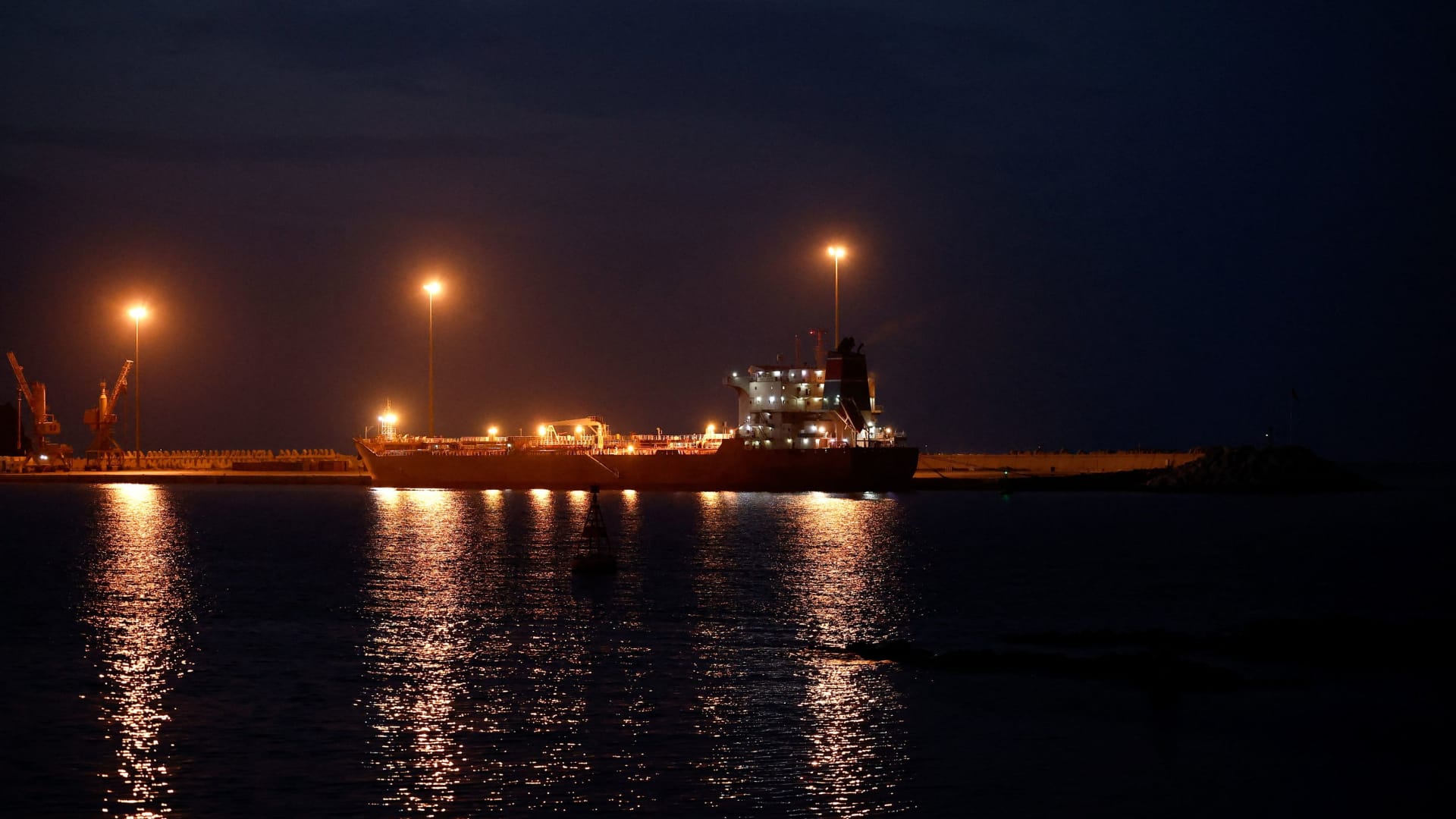
Oil prices rose on 18 May 2026 following confirmed reports that peace talks between Iran and the United States had reached a deadlock. The increase in crude benchmarks was driven by mounting market anxiety over extended supply disruptions, particularly concerning the Strait of Hormuz, a critical global energy chokepoint through which approximately 20 percent of worldwide oil exports transit.
The diplomatic stalemate was underscored by a weekend warning from US President Donald Trump, who posted a message on Truth Social urging Iran to move "FAST" and stating that the "clock is ticking." The former president warned of severe consequences if no agreement was reached, signalling that the current impasse over ending the war could deteriorate into a resumption of armed conflict.
Iranian media reported on 18 May that negotiations had collapsed after Washington failed to offer concrete concessions in response to Tehran’s latest proposals. According to the Tasnim news agency, Iran’s current offer includes an immediate end to hostilities and a halt to the US naval blockade of Iranian ports. However, the Mehr news agency noted that the US is seeking concessions it failed to secure during the ongoing conflict, contributing to the breakdown in talks.
The current diplomatic friction occurs against the backdrop of a conflict that began with joint US-Israeli military attacks on 28 February 2026. Iran has demanded a lasting ceasefire in Lebanon as a precondition for any broader peace agreement with Trump, who has previously expressed frustration with Tehran’s refusal to accept a deal on his terms. The resulting instability has already impacted the Strait of Hormuz, raising concerns among energy traders about the security of global supply chains.
While Trump held a summit with Chinese President Xi Jinping in Beijing starting 14 May 2026 to address broader tensions involving trade and AI, the Iran situation remains a separate and volatile front. It remains unclear whether the current deadlock will lead to an immediate resumption of hostilities or if further diplomatic channels remain open, leaving markets to price in the risk of prolonged disruption.