Oil prices surge 3% as Iran hardens stance on uranium, complicating US talks
The directive from Iran’s supreme leader requiring enriched uranium to remain within the country has triggered a sharp rise in crude prices and cast doubt on diplomatic negotiations with Washington.
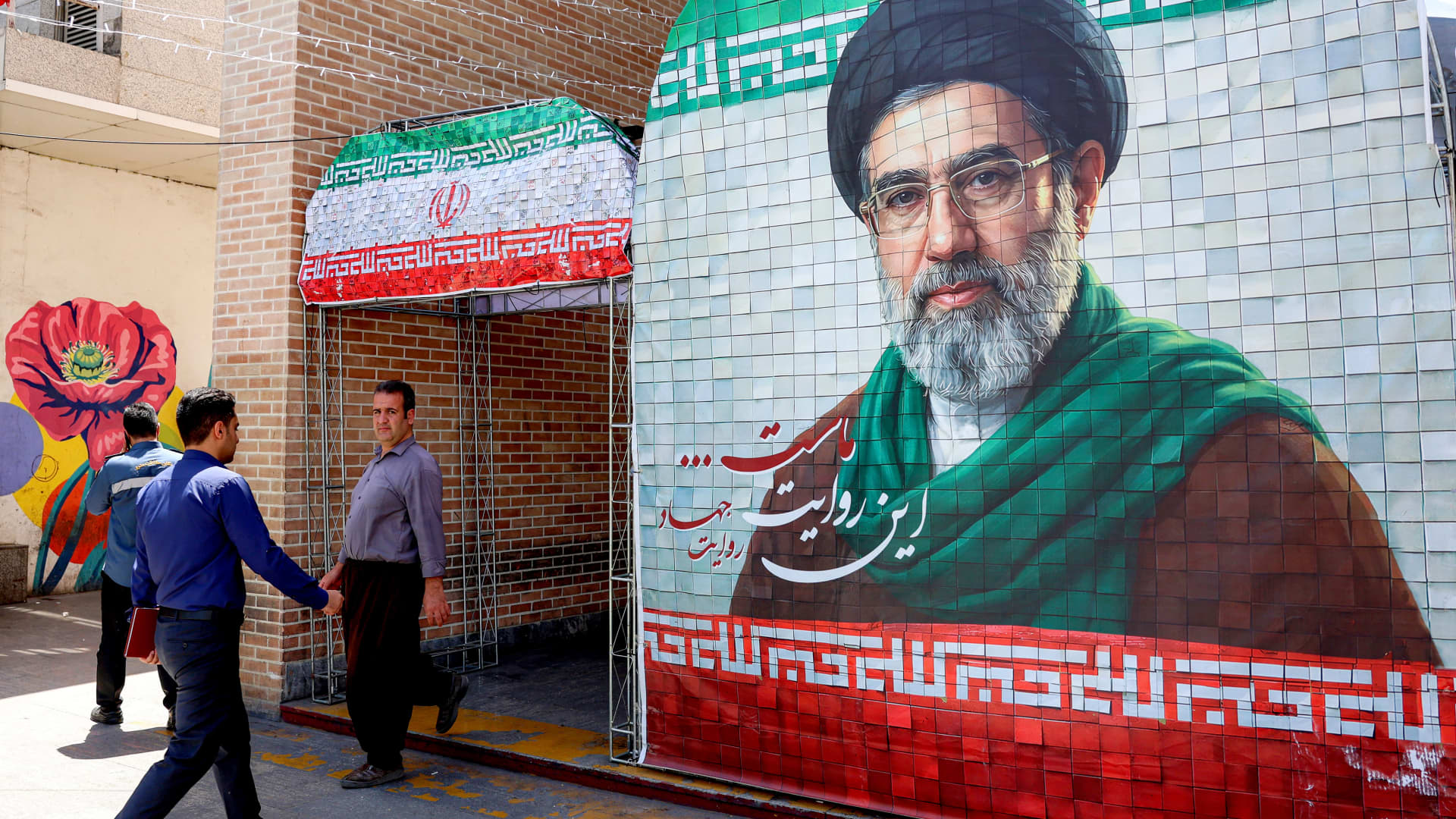
Oil prices climbed by more than 3 per cent following a new directive from Iran’s supreme leader insisting that enriched uranium must remain within the country. The statement, reported by CNBC, signals a significant hardening of Tehran’s position and is expected to complicate ongoing peace talks with the United States.
The market reaction was immediate, with the geopolitical development casting doubt on the trajectory of diplomatic negotiations between Washington and Tehran. Investors appear to be pricing in increased regional instability, which typically exerts upward pressure on energy commodities given the strategic importance of the Strait of Hormuz.
In premarket trading on Thursday, US equity futures declined in response to the escalating tensions. The Dow Jones Industrial Average and S&P 500 futures both fell 0.2 per cent, while the Nasdaq 100 dropped 0.4 per cent. The sell-off followed the directive from Iran’s supreme leader, highlighting the sensitivity of global markets to developments in the Middle East.
While the immediate impact on stock indices was modest, the broader implication for oil markets is more pronounced. The requirement for uranium to stay within Iran’s borders removes a potential concession that could have facilitated a breakthrough in negotiations, thereby sustaining higher risk premiums in energy pricing.
The specific impact of Iran’s stance on the timeline or outcome of peace talks remains uncertain, though the complication of diplomatic efforts is a clear near-term risk. Market participants will likely monitor subsequent statements from both Washington and Tehran for signs of de-escalation or further entrenchment.
Separately, in US domestic financial news, the Justice Department has closed its criminal probe regarding cost overruns on the Federal Reserve's Washington headquarters renovations. The matter has been transferred to the Federal Reserve's Office of the Inspector General, a move that removes a legal obstacle to the confirmation of Kevin Warsh, President Donald Trump's nominee for head of the central bank.