Oil prices slide over 3% as US signals diplomatic thaw in Middle East
Crude benchmarks fell sharply after reports emerged that Washington intends to send evacuated diplomats back to the region, a move investors viewed as a stabilising signal amidst ongoing conflict.
Oil prices dropped by more than 3% on Tuesday following reports that the United States plans to return evacuated diplomats to the Middle East. The market reaction suggests investors are prioritising the diplomatic overture over the broader volatility of the U.S.-Iran conflict.
The price decline came despite significant recent escalations in the region. President Donald Trump has claimed that the Strait of Hormuz would soon become U.S. territory, a statement that heightened concerns over the critical waterway.
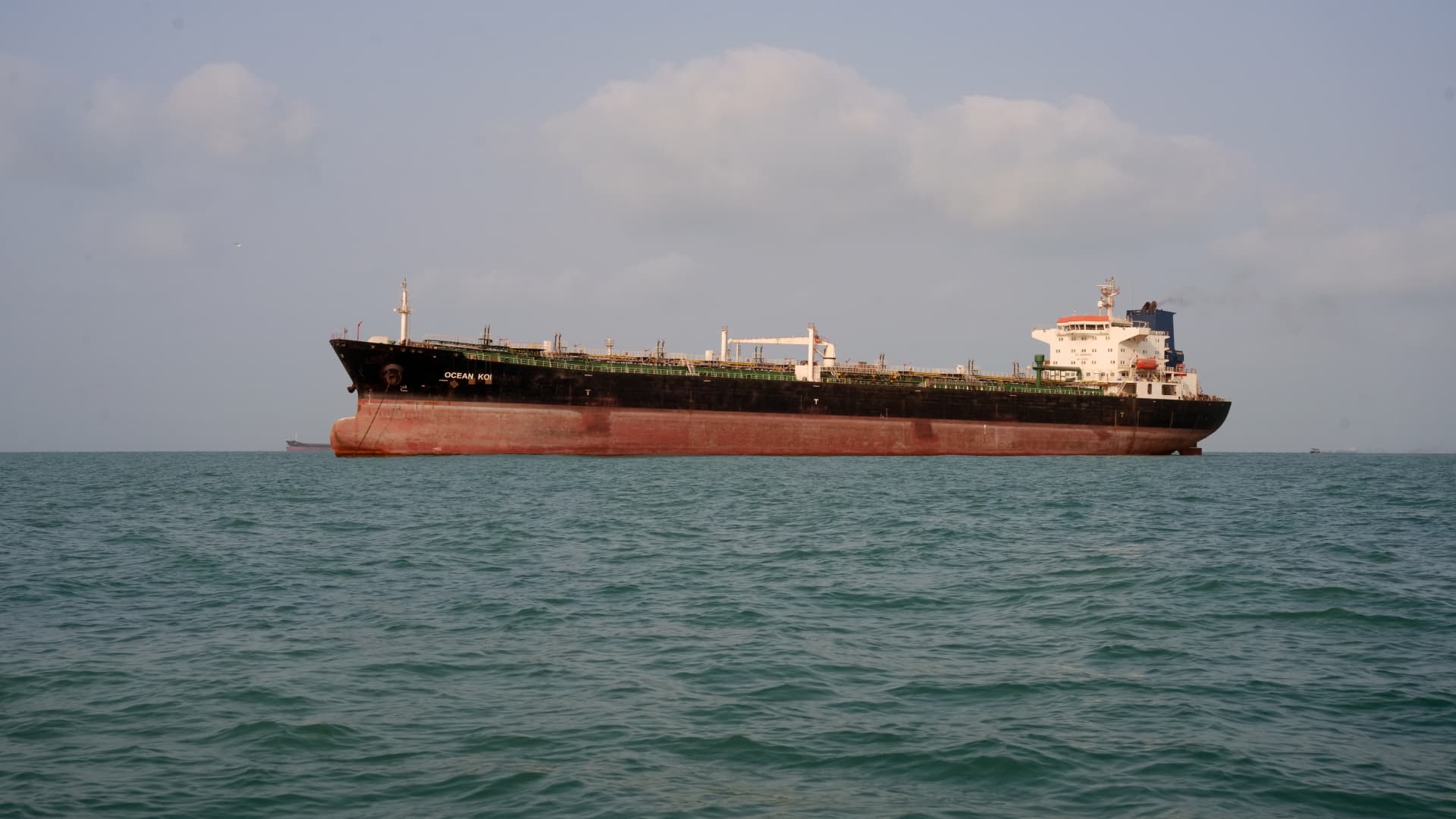
Iran’s deputy foreign minister responded to the territorial claim by stating that the waterway “will remain Iranian.” This rebuttal occurred amid reports of another ship being struck in the region, adding to the sense of uncertainty surrounding the conflict.
However, traders appeared to disregard these latest developments in the U.S.-Iran war, focusing instead on the potential for normalisation indicated by the return of diplomatic staff. The move signals an intention to re-establish a formal presence, although the specific timeline for the diplomats’ return has not been confirmed.
The energy market’s response highlights a cautious optimism that diplomatic channels may help mitigate the risks associated with the ongoing tensions. For now, the prospect of a diplomatic reset has outweighed the immediate geopolitical risks in pricing.
Separately, the U.S. and Canada are navigating their own trade dispute, with tariffs on Canadian cars, trucks, and auto parts set to rise to 50% effective 1 January 2027. This bilateral friction adds another layer of complexity to the global economic landscape.