Oil prices retreat to pre-war levels as supply shocks fail to trigger spike
Analysts predicted a surge to $200 per barrel, but coordinated strategic releases, increased Saudi shipments, and shifting trade flows have kept markets subdued.
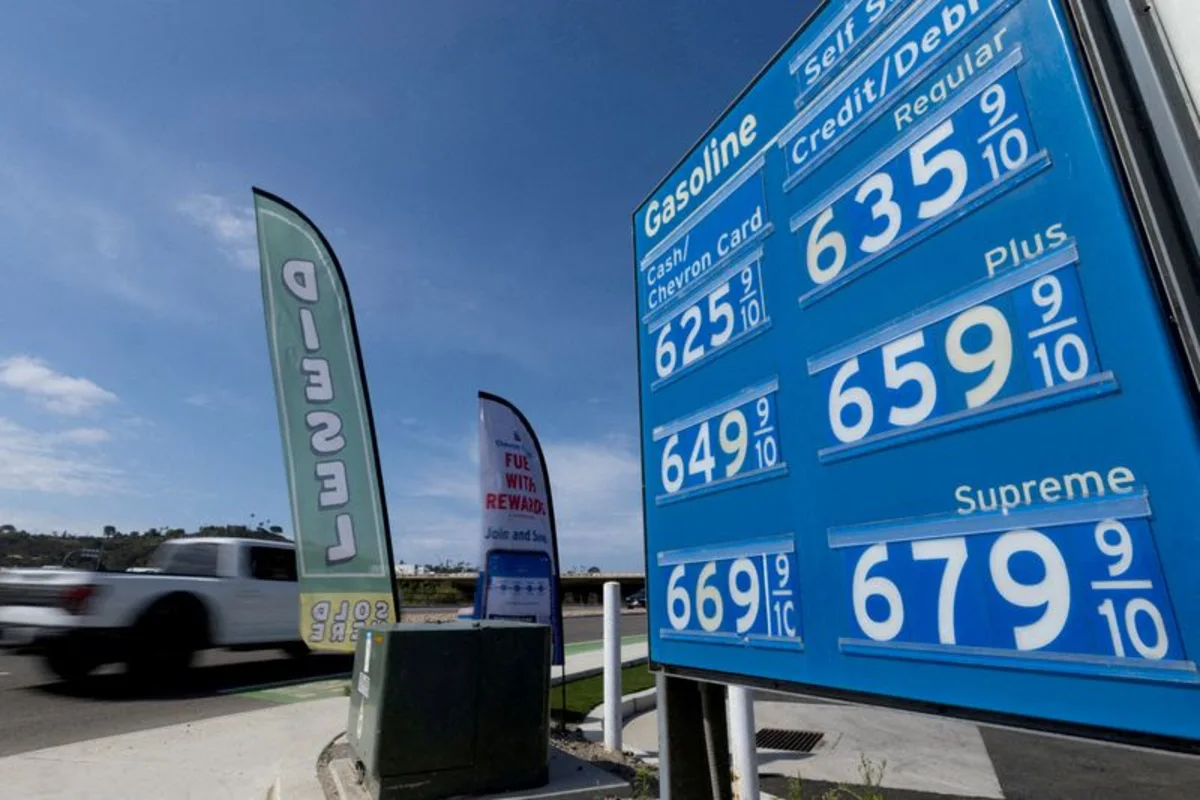
Crude oil prices have retreated to pre-war levels of approximately $70 per barrel, significantly below the $150 to $200 forecasts made when hostilities between the United States, Israel, and Iran began in late February. Brent crude futures peaked at around $126 and averaged $101 between 28 February and 11 June, before falling as US President Donald Trump halted strikes on Iran. The decline marks a sharp reversal from expectations that the disruption of the Strait of Hormuz, through which a fifth of global supply transits, would cause a severe price spike.
Several structural factors have suppressed prices despite the geopolitical turmoil. China, the world’s largest oil importer, slashed crude imports to their lowest level in nearly a decade by June. This demand contraction was driven by curbed fuel exports, a shift towards electric taxis, and reduced volumes in the petrochemical sector. Simultaneously, US crude production reached a record 13.93 million barrels per day by April, offsetting some of the supply concerns arising from the Middle East conflict.
Supply cushioning was further bolstered by a coordinated release of 400 million barrels from strategic reserves, orchestrated by the International Energy Agency in March. Saudi Arabia also increased shipments via its Red Sea Yanbu port to compensate for lost barrels through the Strait of Hormuz. While Hormuz shipments briefly restarted in June, they dropped again in July as fighting resumed, yet the increased alternative routing helped stabilise physical availability.
Market liquidity has decreased as traders have become reluctant to hold large bullish positions amid the risk of sudden reversals. Ilia Bouchouev of the Oxford Institute for Energy Studies noted the paradox of the current market, stating that while sentiment is bullish, few participants are actually long. Data from the ICE exchange shows that funds drove their bullish position in Brent futures to the smallest level of the year in early July, before making their largest addition in six months in the week to 14 July. Despite this recent activity, the position remains more than 50% below the six-year peak seen in late March.
The abundance of physical cargo has limited price reactions to recent escalations. Traders report ample supply of prompt crude, causing differentials in Europe, such as North Sea Forties, to fall to a discount from the record premium seen in April. Ole Hansen, head of commodity strategy at Saxo Bank, attributed part of the muted response to headline fatigue, which reduces the price impact of fresh announcements. Veteran trader Adi Imsirovic acknowledged the current surplus, noting that while there is a lot of prompt crude available, the situation may not persist.