Oil prices retreat as US pauses naval escort in Strait of Hormuz
A reported pause in kinetic engagement has triggered expectations of a peace deal, sending energy futures lower despite the absence of a signed agreement.
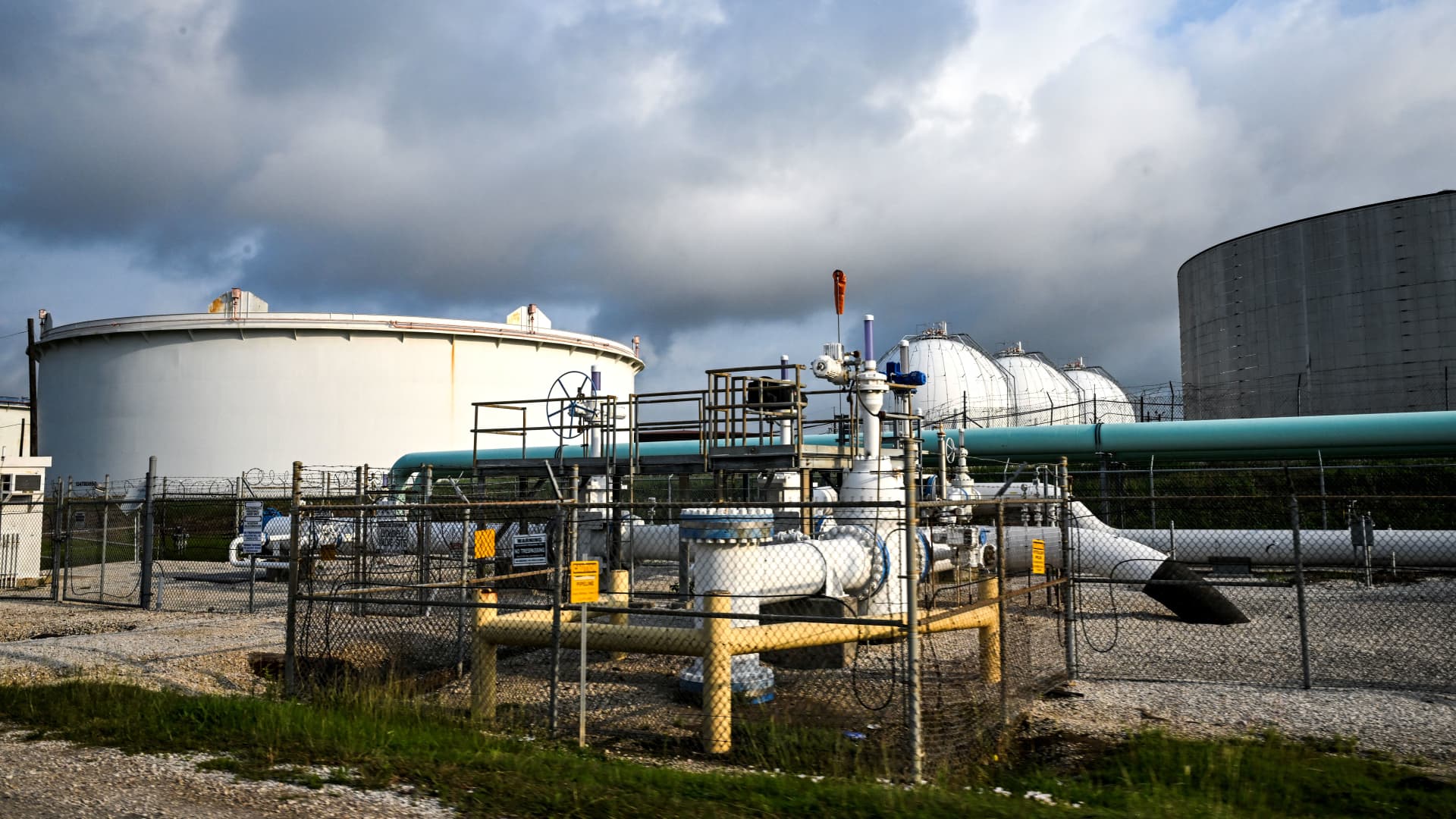
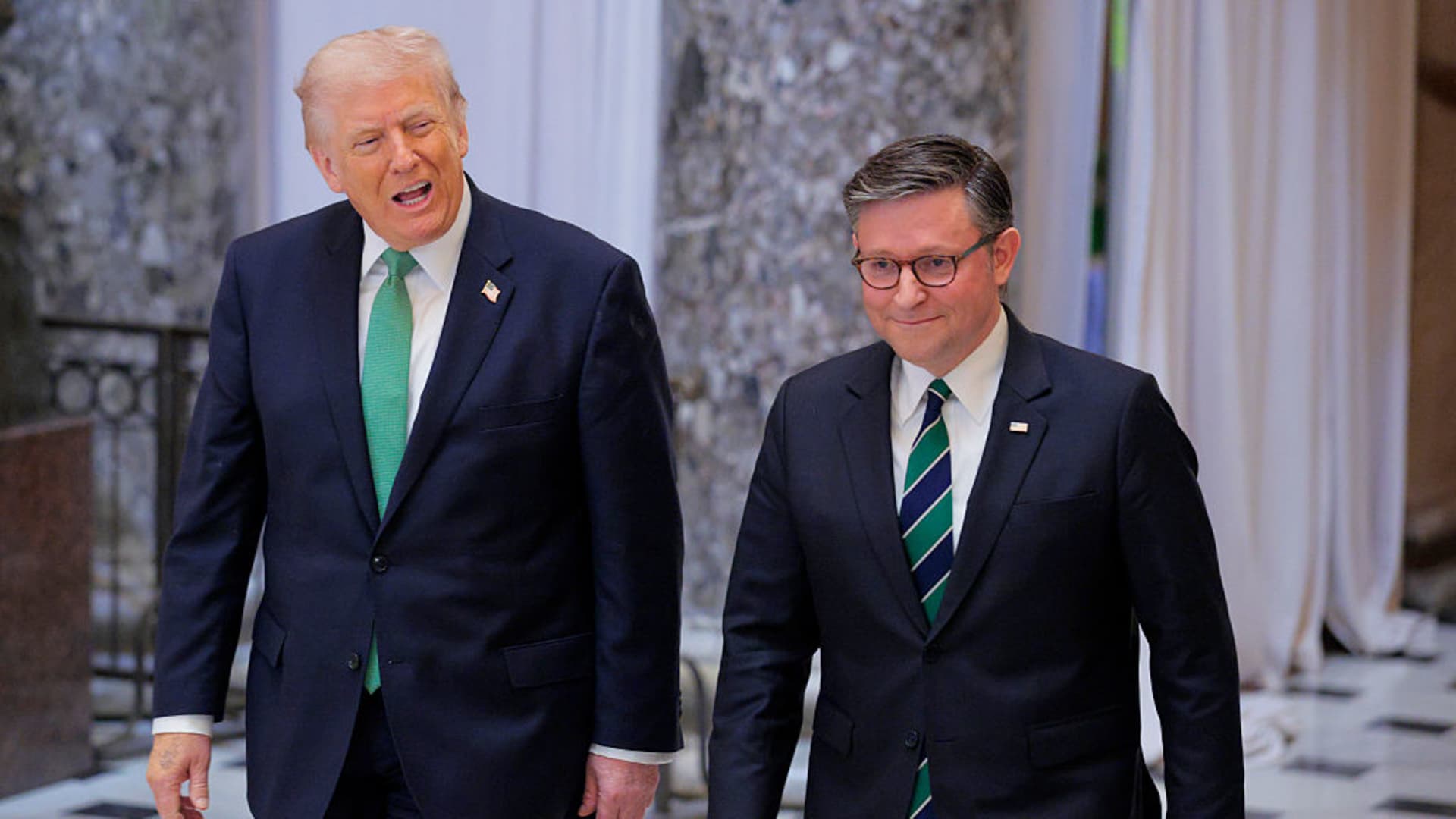
Global oil prices dropped sharply following a report that President Donald Trump has announced a pause in United States naval escort operations within the strategically vital Strait of Hormuz. The immediate market reaction was a significant decline in energy prices, interpreted by investors as a positive signal for supply stability and a potential end to regional conflict.
The announcement represents a strategic pivot from active kinetic engagement toward a framework prioritising diplomatic resolution. The Strait of Hormuz remains a critical chokepoint for global oil trade, meaning that security operations in the area have historically been a major factor in energy market volatility. Consequently, any reduction in military activity is viewed as a de-escalation of risk.
This operational adjustment has sparked market expectations that the United States and Iran are closing in on a diplomatic agreement to end hostilities. However, the specific terms of the potential deal remain unconfirmed, and the connection between the escort pause and a definitive end to war is inferred from market reaction rather than an official signed agreement.
The duration and scope of the naval escort pause have not been fully detailed in available reports. It remains unclear if the cessation of operations is a permanent measure or a temporary tactical adjustment pending further negotiations. Investors are now watching closely to see if this shift marks a broader change in the region's security posture or merely a pause in the current strategy.
While the focus remains on the Iran situation, broader geopolitical tensions continue to influence transatlantic strategy. Recent developments, including US troop withdrawals from Germany and Berlin's move to assert military independence, highlight the complex interplay of economic necessity and military aggression currently affecting global security dynamics.
Concurrently, domestic political shifts in Washington are also reshaping the financial landscape. The United States Justice Department has dropped a criminal probe into Federal Reserve Chair Jerome Powell, clearing the way for the confirmation of President Trump's nominee, Kevin Warsh. This development removes a legal obstacle to the appointment of the new central bank head, adding another layer of institutional change to the current economic environment.