Oil prices retreat as Trump delays Iran strike amid diplomatic efforts
Crude benchmarks decline as President Donald Trump postpones planned strike on Iran, citing ongoing negotiations and pressure from Gulf leaders, though military readiness remains high.
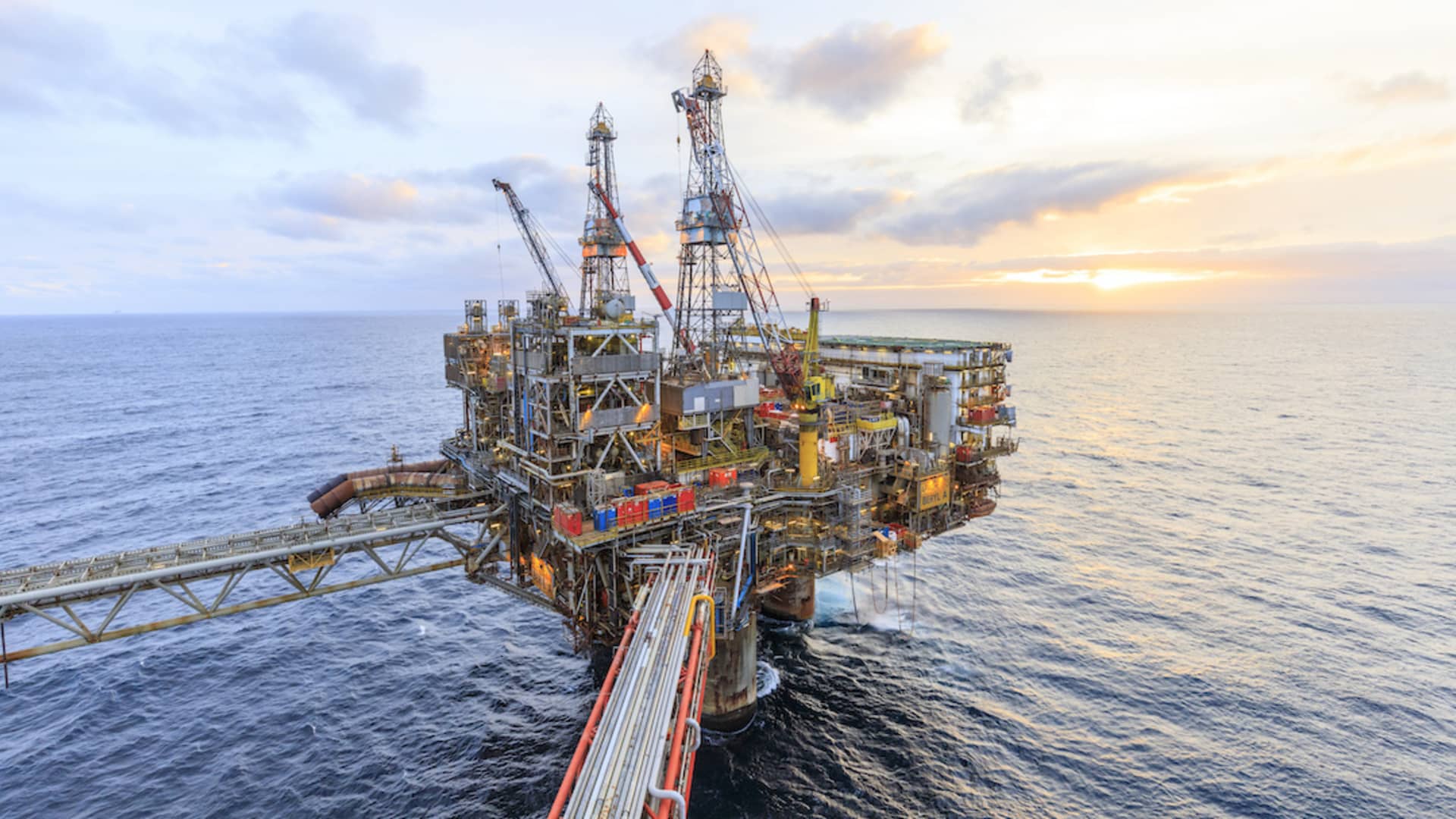
Oil prices declined on Monday following the announcement by US President Donald Trump that he has postponed a planned military strike on Iran. The decision, which came after requests from key Middle Eastern leaders, has immediately eased market anxieties regarding potential supply disruptions in the region. The move signals a temporary de-escalation in geopolitical tensions that had previously weighed on energy markets.
Trump stated that serious negotiations are currently underway and indicated there is a very good chance of reaching an acceptable deal. The postponement was triggered by a peace proposal from Tehran, which reportedly included aims to limit Iran’s nuclear programme. This diplomatic shift follows a previous pause in military action that had already triggered volatility in global markets, highlighting the sensitivity of energy prices to geopolitical developments in the Middle East.
Despite the delay, the threat of military intervention has not been entirely removed. Trump instructed the US military to remain prepared to launch a large-scale assault on short notice if an acceptable agreement is not reached. This instruction underscores the fragile nature of the current diplomatic window and suggests that the underlying conflict remains unresolved.
Reports from Tehran indicate a complex diplomatic landscape, with Iranian leaders projecting defiance and rejecting pressure from the United States. This stance suggests that Tehran is not fully yielding to Washington’s demands, adding uncertainty to the negotiation process. The path to a settlement appears fraught with complexity, as both sides maintain firm positions despite the temporary halt in military preparations.
Meanwhile, global powers are engaging with the broader geopolitical implications of the conflict. Chinese and Russian leaders are addressing the situation, with China prioritising the freedom of major waterways essential to its economy. As markets digest the news, investors are monitoring the progress of negotiations and the potential for renewed instability, which could once again impact oil supply chains and pricing.