Oil prices rally on Iran uranium reports and IEA supply warning
The International Energy Agency cautions that rising summer travel could push oil into a 'red zone', while reports of Iran retaining enriched uranium fuel further upward momentum in crude prices.
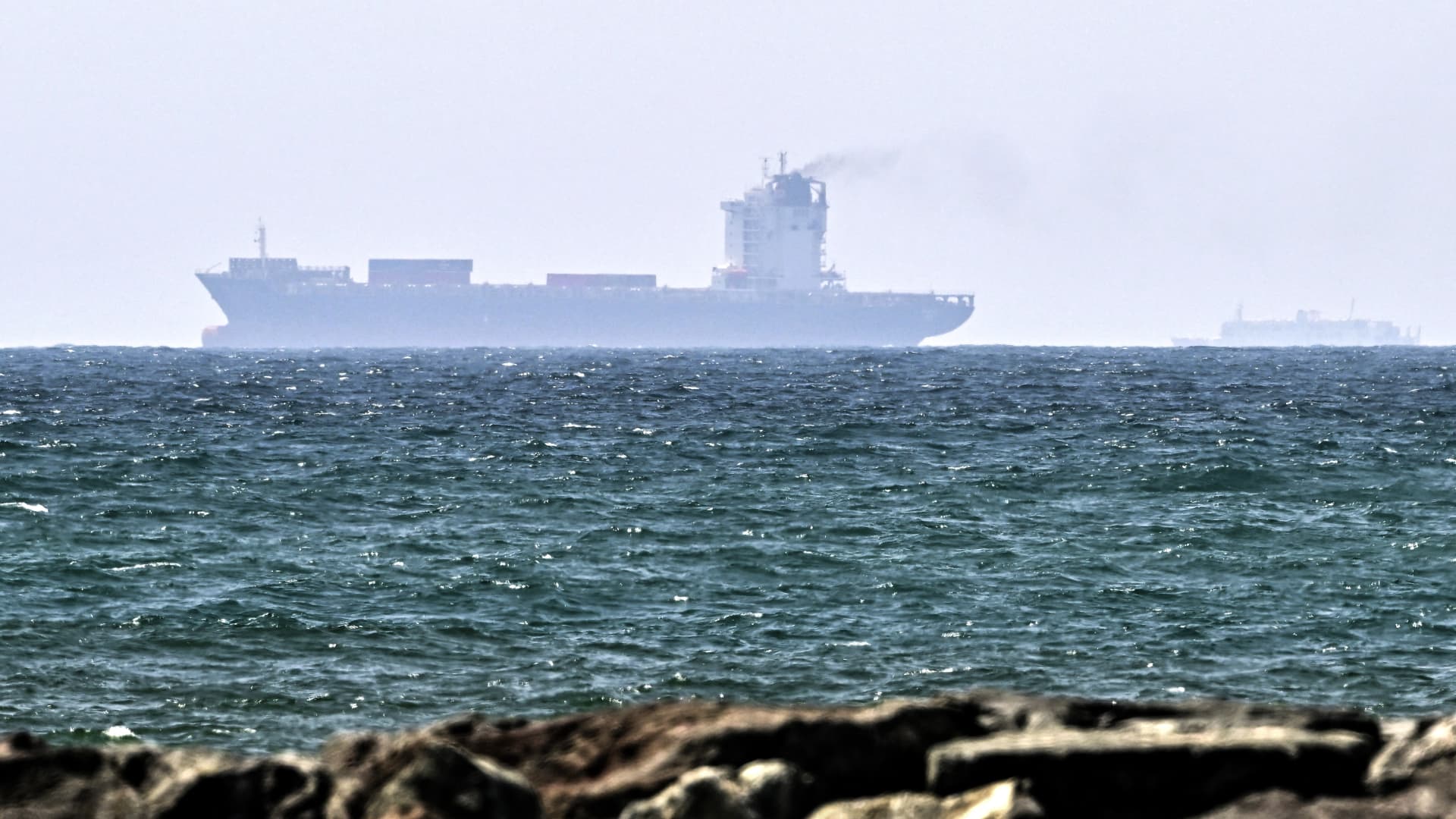
Oil prices have resumed their upward trajectory following reports that Iran intends to keep enriched uranium within its borders. The development has added a layer of geopolitical risk to energy markets, contributing to a renewed rally in crude prices as investors assess the potential implications for regional stability and supply chains.
Concurrently, the International Energy Agency (IEA) has issued a stark warning regarding the near-term outlook for global energy demand. The agency cautioned that surging travel activity during the summer season could soon push oil markets into a "red zone," suggesting that the balance between supply and demand is nearing critical thresholds.
The IEA’s assessment highlights the pressure on markets as seasonal consumption patterns intensify. While the agency did not declare an immediate shortage, its reference to a "red zone" indicates a heightened risk of tightness that could exacerbate price volatility. This forecast comes as global travel demand continues to recover, placing additional strain on existing inventory buffers.
These energy market fluctuations occur against the backdrop of a high-stakes diplomatic summit in Beijing between US President Donald Trump and Chinese President Xi Jinping. The two-day meeting, which commenced on Thursday, focuses on trade, artificial intelligence, and tensions surrounding Iran, adding further complexity to the geopolitical landscape that influences commodity pricing.
Amidst the energy sector’s volatility, US equity markets showed positive momentum on Thursday. The Dow Jones Industrial Average gained 0.8 per cent, the S&P 500 rose 0.3 per cent, and the Nasdaq Composite climbed 0.2 per cent. Nvidia shares also surged more than 2 per cent following news that the US approved H200 chip sales to Chinese firms, providing a counterpoint to the uncertainty in the energy markets.