Oil prices plunge 20 per cent in May as U.S.-Iran peace hopes ease supply fears
Markets have snapped a four-month winning streak on optimism regarding a potential cease-fire, though analysts warn that energy shock absorbers are eroding and a return to pre-war pricing remains uncertain.
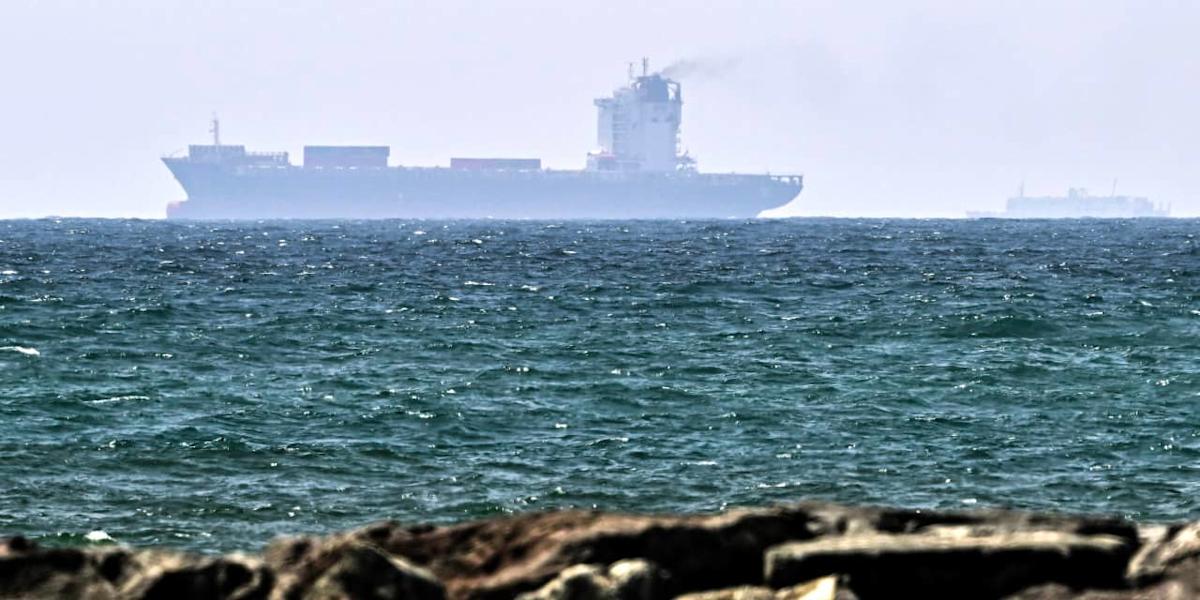
Global oil prices experienced their most significant monthly decline since March 2020 in May, driven by market optimism surrounding a potential cease-fire and peace deal between the United States and Iran. Brent crude fell nearly 20 per cent to settle at $92.05 a barrel, while West Texas Intermediate (WTI) slid nearly 17 per cent to $87.36 a barrel. This drop snapped a four-month winning streak and was attributed to trader expectations that diplomatic progress could ease supply disruptions in the Persian Gulf and resume trade through the Strait of Hormuz.
Despite the sharp fall, prices remain well above pre-war levels of approximately $60 a barrel. The current price drop mirrors the largest monthly decline seen in March 2020, when the onset of the COVID-19 crisis triggered a historic demand shock that crashed global oil markets. Strategic stocks and sanctioned oil released into the market have helped keep prices down in the short term, but energy shock absorbers are reportedly eroding as the conflict enters its third month.
Chevron CEO Mike Wirth stated that market psychology has shifted to view the conflict as nearing its end, with expectations that flow through the Strait of Hormuz will resume quickly. “There’s this belief that the end is near, the conflict is nearly resolved, and the flow through the Strait of Hormuz will resume very quickly, and that has kept the backend of the curve lower than it might otherwise have been,” Wirth said in an interview with Bloomberg.
However, volatility remains high as traders weigh opposing scenarios. Helima Croft, head of global commodity strategy at RBC Capital, described the current market sentiment as a “Memento mindset,” where traders treat diplomatic comments as breaking news despite ongoing deadlock. Croft’s team noted in a client note that while strategic reserves have provided relief, time is running out to reopen the strait and stave off a hard landing.
Michael Lynch, president at Strategic Energy and Economic Research, warned that if the Strait of Hormuz does not reopen, oil prices could potentially reach $200 a barrel. Stephen Innes, managing partner at SPI Asset Management, noted that markets are pricing in two opposing scenarios: a negotiated framework for resumed crude flows or deepening disruptions and tighter supplies. He suggested that any return to normalcy might be delayed or uncertain, with Brent potentially settling around $90 a barrel.