Oil prices fall as US official reports meaningful rise in Hormuz transits
Markets react to reports of increased shipping volumes through the critical energy chokepoint, despite warnings that normalisation remains distant.
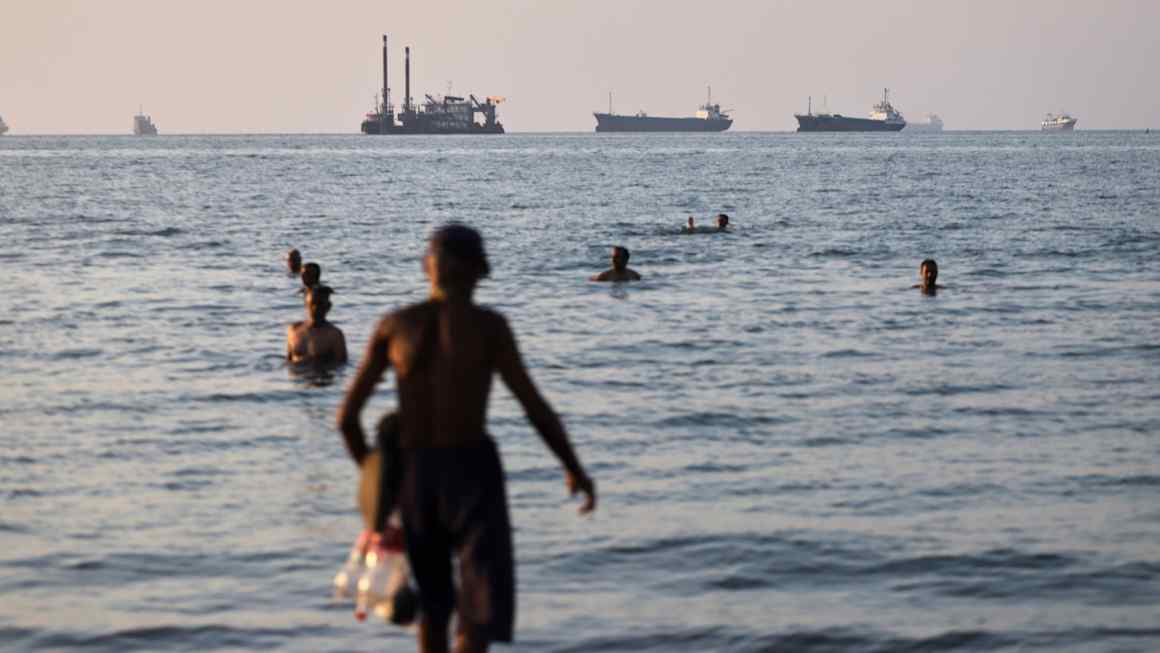
Oil prices declined following statements from US Energy Secretary Chris Wright, who reported that transit volumes through the Strait of Hormuz are increasing 'meaningfully'. The update from the United States provided a partial counter-narrative to recent geopolitical volatility, though Wright cautioned that it will take several months for flows through the strait to fully recover.
The report from the Financial Times highlights a shift in immediate logistics, even as broader tensions persist. Wright’s assessment suggests that while shipping activity is picking up, the strategic chokepoint has not yet returned to stable operating conditions. The market’s negative reaction to the news indicates that investors are weighing the long-term timeline for recovery against short-term supply signals.
This development occurs against a backdrop of heightened regional instability. Recent reports indicate that Iran shot down a US helicopter, prompting vows of response from the Trump administration. These military incidents have contributed to an environment of uncertainty, with Iran currently facing an economic climate characterised by hyperinflation and military uncertainty.
Diplomatic efforts to address these security concerns have been underway. A recent Beijing summit featured discussions on trade, artificial intelligence, and Strait of Hormuz security. The event was attended by prominent US business leaders, including Elon Musk, Tim Cook, and Jensen Huang, signalling the high stakes involved in securing global energy routes.
Despite the reported increase in transits, the path to normalisation remains protracted. Wright’s warning that full recovery will take months underscores the fragility of the current supply chain. For markets, the immediate slide in oil prices reflects a tentative optimism, tempered by the knowledge that structural risks and geopolitical friction continue to loom over the region.