Oil prices extend gains as Middle East ceasefire fears persist
Concerns over a prolonged conflict drive energy costs higher after Oval Office remarks characterise the ceasefire as being on life support.
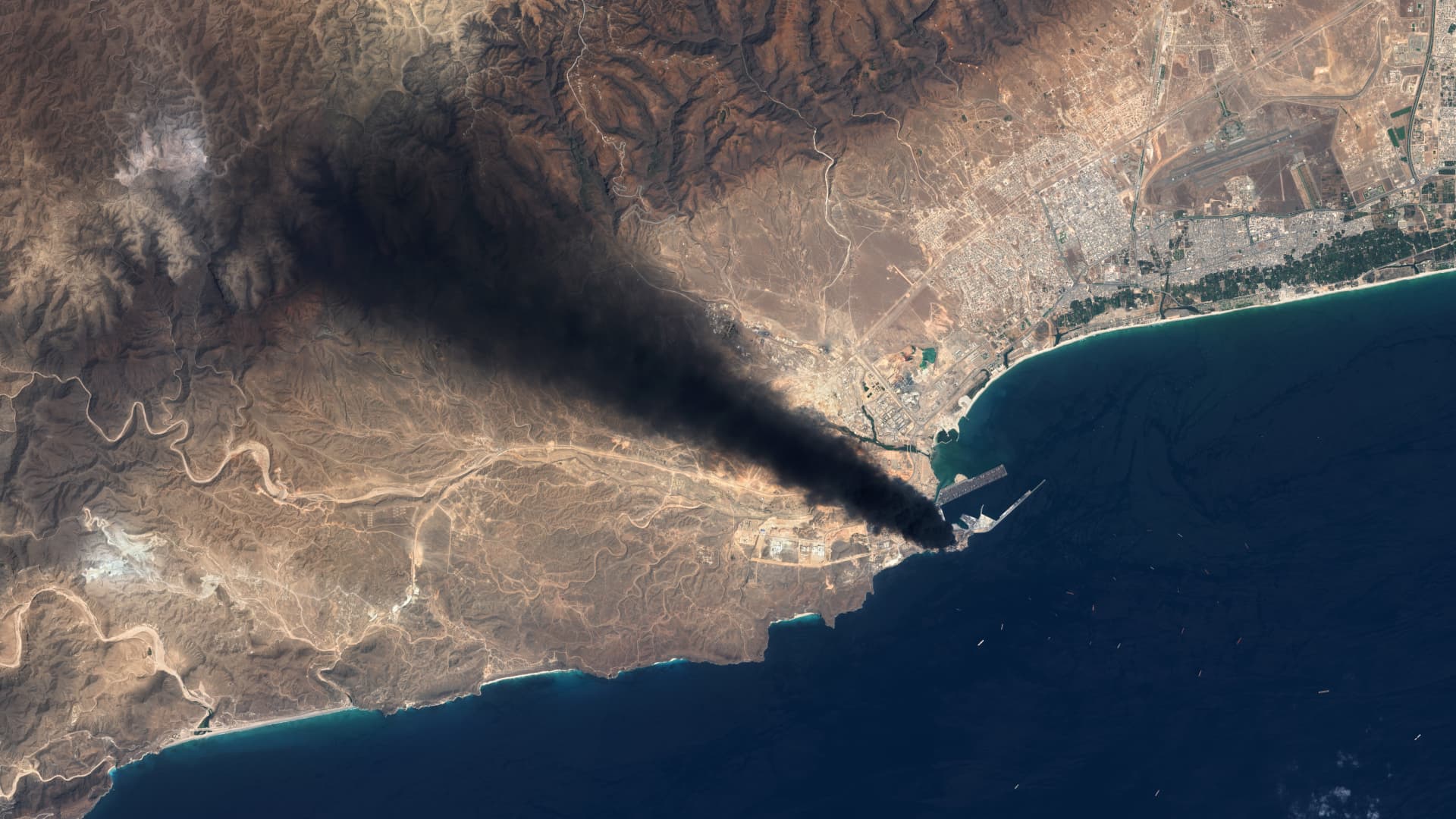
Oil prices extended gains on Tuesday as global markets reacted to comments made by President Trump regarding the fragile state of the ceasefire with Iran. The movement in energy benchmarks was driven by growing investor apprehension that the conflict in the Middle East could become prolonged, undermining hopes for a quick resolution.
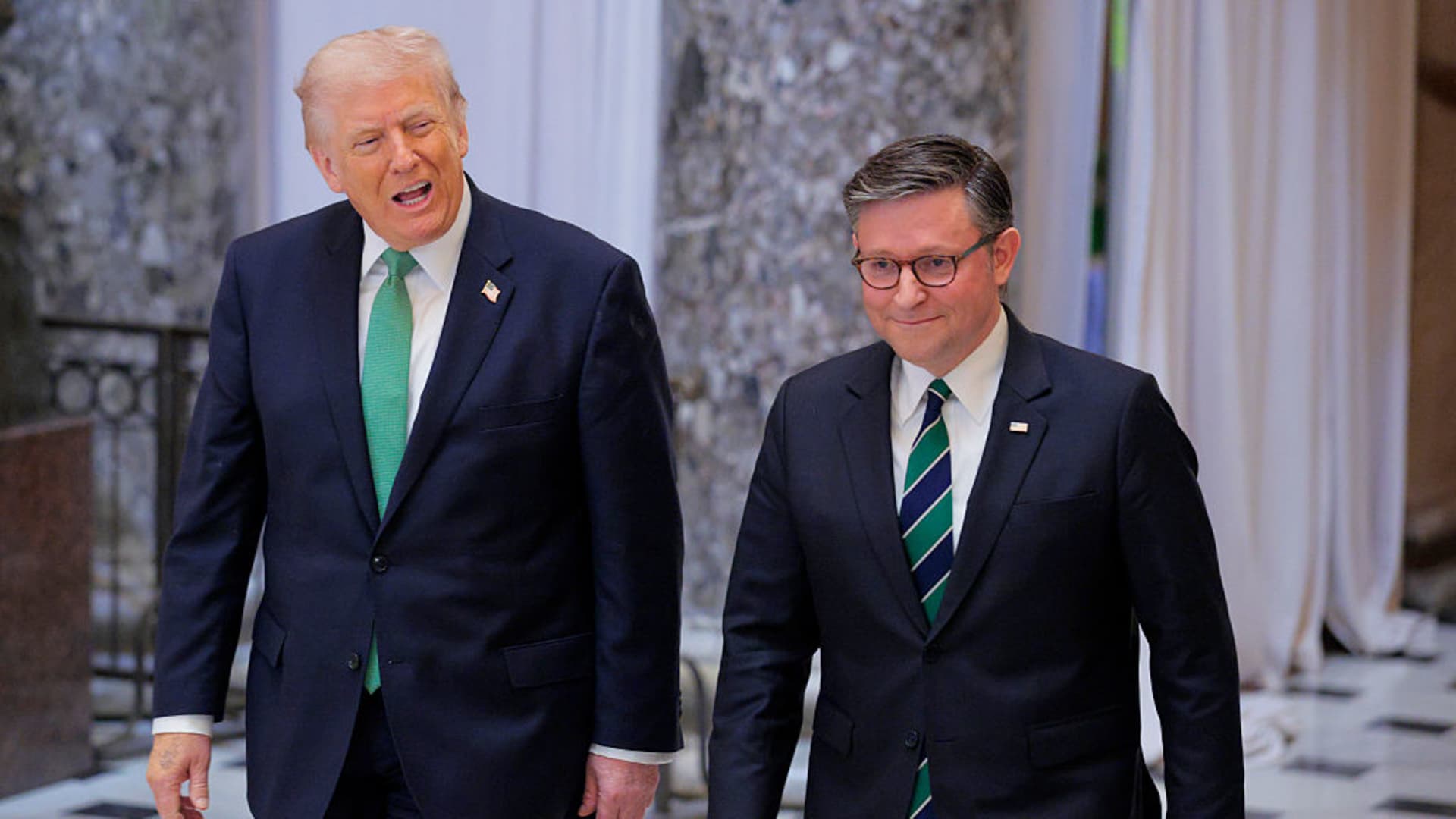
During a briefing with reporters in the Oval Office on Monday, the President characterised the current month-long truce as being on "massive life support" and described it as "unbelievably weak". In a stark analogy regarding the fragility of the situation, he compared the stability of the agreement to a medical scenario where a patient has only a one per cent chance of living.
These remarks, which were delivered while addressing the press on Monday, have sparked immediate market concerns that the geopolitical tension will not dissipate soon. Consequently, traders adjusted their positions on Tuesday, pushing prices higher amid fears that supply disruptions or extended hostilities remain a realistic possibility.
The volatility in energy markets has already begun to impact domestic audiences, with the economic ramifications of the stalled conflict reaching consumers through rising fuel costs. In response to this surge in petrol prices driven by war uncertainty, the administration has announced an intention to suspend the 18-cent federal petrol tax.
It is important to note that this policy move remains an intention rather than an enacted law. The administration has not yet confirmed the suspension as implemented, leaving the immediate financial burden on consumers dependent on subsequent legislative or executive action.
While the specific timeline for any potential collapse of the ceasefire remains unclear, the market reaction underscores the sensitivity of energy prices to diplomatic developments. The connection between the President's comments and the price movement is viewed as correlational based on sentiment, reflecting the broader anxiety surrounding the region's stability.