Oil prices edge higher as US-Iran peace talks stall, though weekly losses persist
Global inventories deplete rapidly as Strait of Hormuz flows slow, with full normalisation not expected until 2027
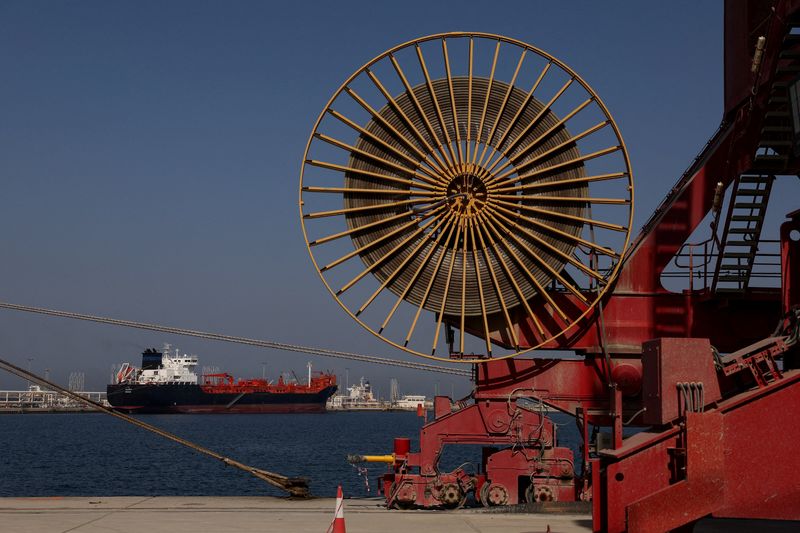
Oil prices rose on Friday as investors expressed doubt regarding a breakthrough in US-Iran peace talks, although the benchmarks remained on track for a weekly loss. Brent crude futures increased by 82 cents, or 0.8%, to $103.40 a barrel, while US West Texas Intermediate (WTI) futures rose by 54 cents, or 0.56%, to $96.89. Both benchmarks had previously risen over 3% earlier in the session but were down more than 5% and 8% respectively for the week.
US Secretary of State Marco Rubio stated there was "some progress" in negotiations facilitated by Pakistan, but significant gaps remained concerning Tehran's uranium stockpile and controls on the Strait of Hormuz. Rubio told reporters that while there were "some good signs," the United States was not yet at a resolution and more work remained to be done. He confirmed that the US maintained constant communication with Pakistani facilitators but clarified that the US had not requested assistance from NATO allies to reopen the strait.
A Qatari negotiating team arrived in Tehran on Friday to assist in securing a deal, in coordination with the US. Despite these diplomatic efforts, six weeks since a fragile ceasefire took effect, progress in ending the conflict has been limited. John Kilduff, partner with Again Capital, noted that the market remained highly sensitive to headlines, with a lack of clarity preventing significant price rallies despite the apparent trajectory toward a resolution.
Global oil inventories are depleting rapidly as flows via the Strait of Hormuz slow to a trickle. Tamas Varga, an analyst at PVM Oil Associates, observed that optimism regarding an imminent truce and bearish rhetoric whenever Brent approaches $110 have prevented oil prices from rallying significantly higher. The conflict has removed approximately 14 million barrels per day of oil, or 14% of global supply, from the market, including exports from Saudi Arabia, Iraq, the UAE, and Kuwait.
BMI, a unit of Fitch Solutions, has raised its average 2026 dated Brent price forecast to $90 from $81.50, citing supply deficits and the time required to repair damaged Gulf energy infrastructure. The head of UAE state oil firm ADNOC stated that full oil flows through the strait will not return before the first or second quarter of 2027, even if the conflict ends immediately.
Seven leading OPEC+ oil-producing countries are likely to agree to a modest hike to July output when they meet on June 7, although delivery for several remains disrupted by the war. The elevated oil prices have fuelled concern over inflation and the outlook for the global economy as markets assess the timeline for a possible peace deal.