Oil prices drop as Iran details peace proposal to restore Hormuz shipping
Markets react to reports that a framework deal between Tehran and the United States could clear the critical chokepoint, following a sharp retreat in crude values earlier this week.
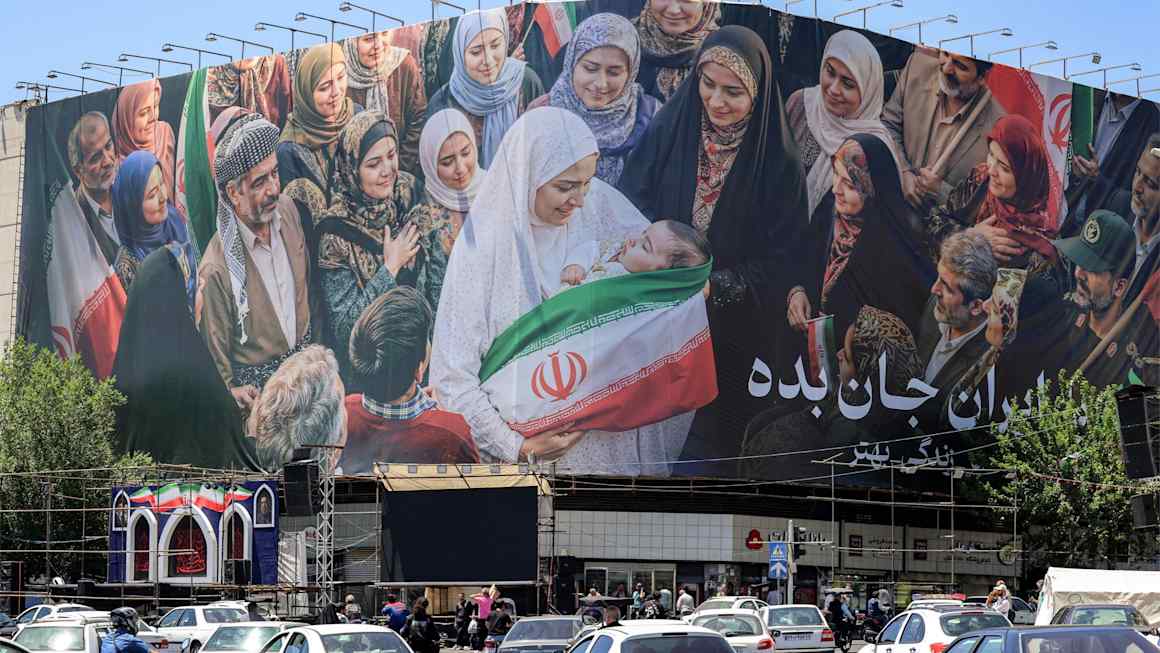
Oil prices declined on Thursday after Iranian state television broadcast details of a draft peace deal, marking a significant shift in market sentiment regarding the Strait of Hormuz. The broadcast stated that the proposed agreement would restore commercial shipping through the critical waterway within one month, alleviating immediate supply concerns that had weighed on energy markets.
The move comes shortly after U.S. crude oil prices retreated sharply on Wednesday, falling approximately 6 per cent to settle below $90 per barrel. That earlier decline was already linked to reports of a broader framework deal between Tehran and the United States, suggesting that the market had begun pricing in a resolution to the geopolitical tensions surrounding the region.
The specific terms of the draft peace proposal remain limited to the restoration of shipping flows, according to the reports. However, the timeline for the actual resumption of traffic is contingent on the implementation of the agreement. The broadcast did not provide further details on the broader diplomatic terms, focusing instead on the logistical outcome for maritime trade.
Concurrent with these developments, U.S. President Donald Trump and Chinese President Xi Jinping commenced a two-day summit in Beijing. The agenda for the talks covers trade, artificial intelligence, and the escalating tensions involving Iran. The diplomatic engagement in China coincided with a rise in U.S. stock markets, with the Dow Jones Industrial Average gaining 0.8 per cent, the S&P 500 rising 0.3 per cent, and the Nasdaq Composite climbing 0.2 per cent.
Investor attention also turned to technology stocks, with Nvidia shares surging more than 2 per cent following news that the United States had approved the sale of H200 chips to Chinese firms. While the summit addressed multiple geopolitical and economic fronts, the immediate impact on energy markets was driven by the specific prospect of unimpeded access to the Strait of Hormuz.
The Financial Times reported the details of the Iranian state television broadcast, highlighting the direct correlation between the diplomatic signals and the subsequent drop in oil prices. As the one-month window for restoration begins to loom, market participants are monitoring the implementation of the deal to gauge the sustainability of the current price levels.
The convergence of a potential peace deal with Iran and high-level diplomatic talks between the United States and China underscores a period of active negotiation in global affairs. For now, the primary driver for oil prices remains the prospect of restored flow through the Strait of Hormuz, a development that could significantly alter supply dynamics in the coming weeks.