Oil prices climb as US strikes Tehran and reinstates Strait of Hormuz blockade
Washington’s decision to reinstate a naval blockade of Iranian ports near the Strait of Hormuz, following strikes on the capital, has driven energy costs higher on Wednesday.
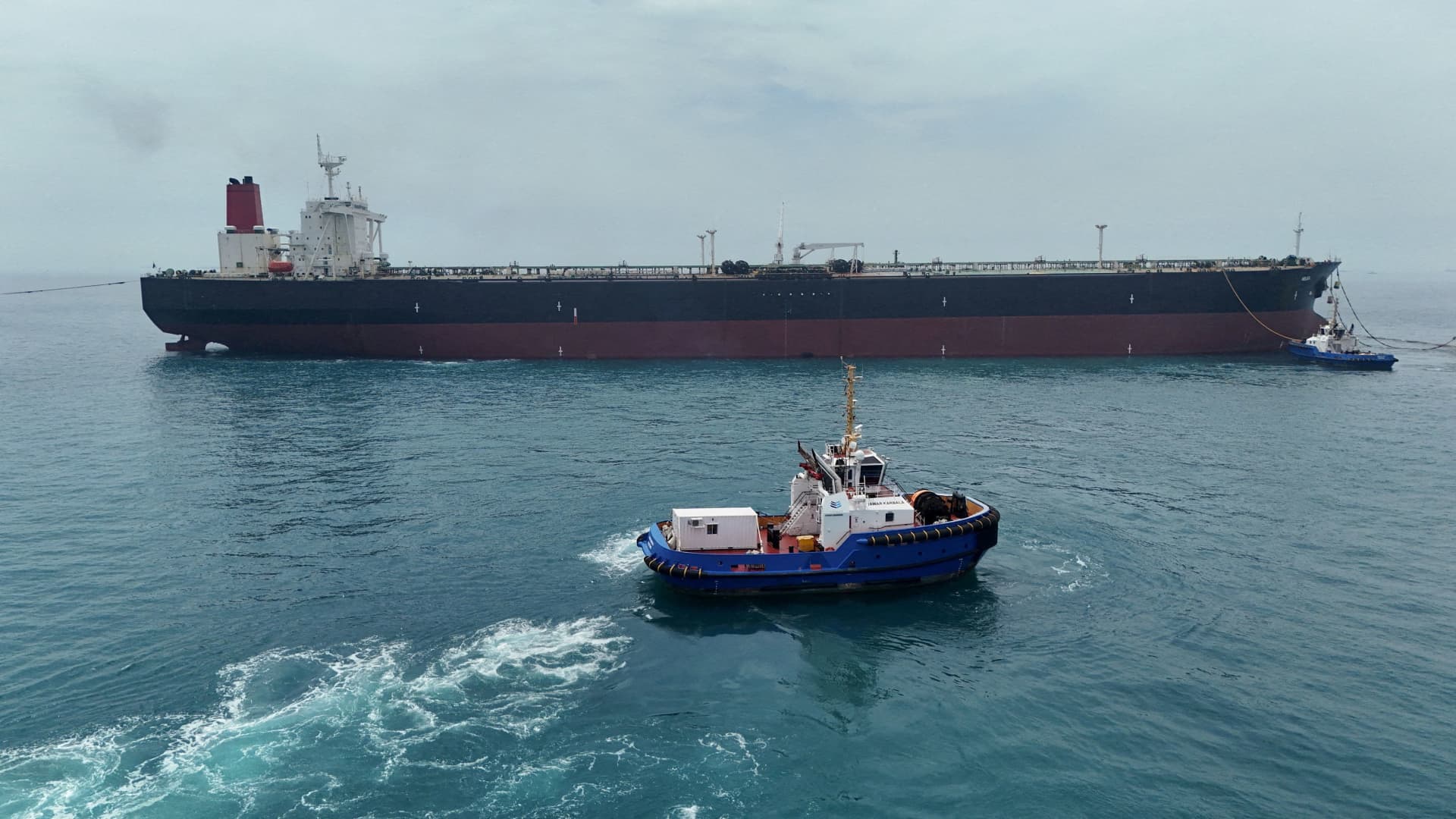
Oil prices rose on Wednesday following US military strikes on Tehran and the reinstatement of a naval blockade of Iranian ports near the Strait of Hormuz. The escalation has introduced immediate volatility into energy markets, with traders pricing in the risks associated with restricted access to one of the world’s most critical maritime chokepoints.
The US military action represents a significant intensification of hostilities in the region. Washington’s decision to reinstate the blockade of Iranian ports near the Strait of Hormuz adds a layer of complexity to the geopolitical landscape, directly impacting the flow of global energy supplies. The Strait of Hormuz remains a vital artery for international oil trade, and any disruption to its commercial shipping lanes tends to trigger sharp upward movements in benchmark crude prices.
This development follows a broader pattern of escalating conflict involving multiple actors. Iran’s Khatam al-Anbiya command had previously announced that the Strait of Hormuz was closed to commercial shipping, a move that heightened tensions. Concurrently, Israel has conducted strikes on military targets in western and central Iran, including Tehran, Tabriz, and Isfahan. Iran has also fired missiles at Israeli targets in retaliation for an attack on Beirut’s southern suburbs.
The current military operations contrast sharply with recent diplomatic efforts. On 11 June 2026, US and Iranian officials had indicated progress toward an interim peace deal aimed at reopening the Strait of Hormuz. Prior to that, US President Donald Trump had abandoned a proposed cargo fee for maritime traffic through the strait, replacing it with investment in the Gulf region following diplomatic pressure. The resurgence of military strikes and the reinstatement of the naval blockade signal a breakdown in those earlier diplomatic channels.
Market participants are now assessing the potential duration and specific terms of the reinstated naval blockade, as well as the broader implications for global supply chains. The US forces had previously hit Iran with 49 Tomahawk missiles in a bombing raid early Thursday Iran time. As the situation evolves, energy markets remain sensitive to further developments in the region, with investors closely monitoring the status of shipping lanes and the stability of oil exports from the Middle East.