Oil eases as Washington swaps Iran strikes for economic pressure
Brent crude declined for a second straight day as investors digested the US shift towards sanctions, easing fears of immediate supply disruption in the Middle East.
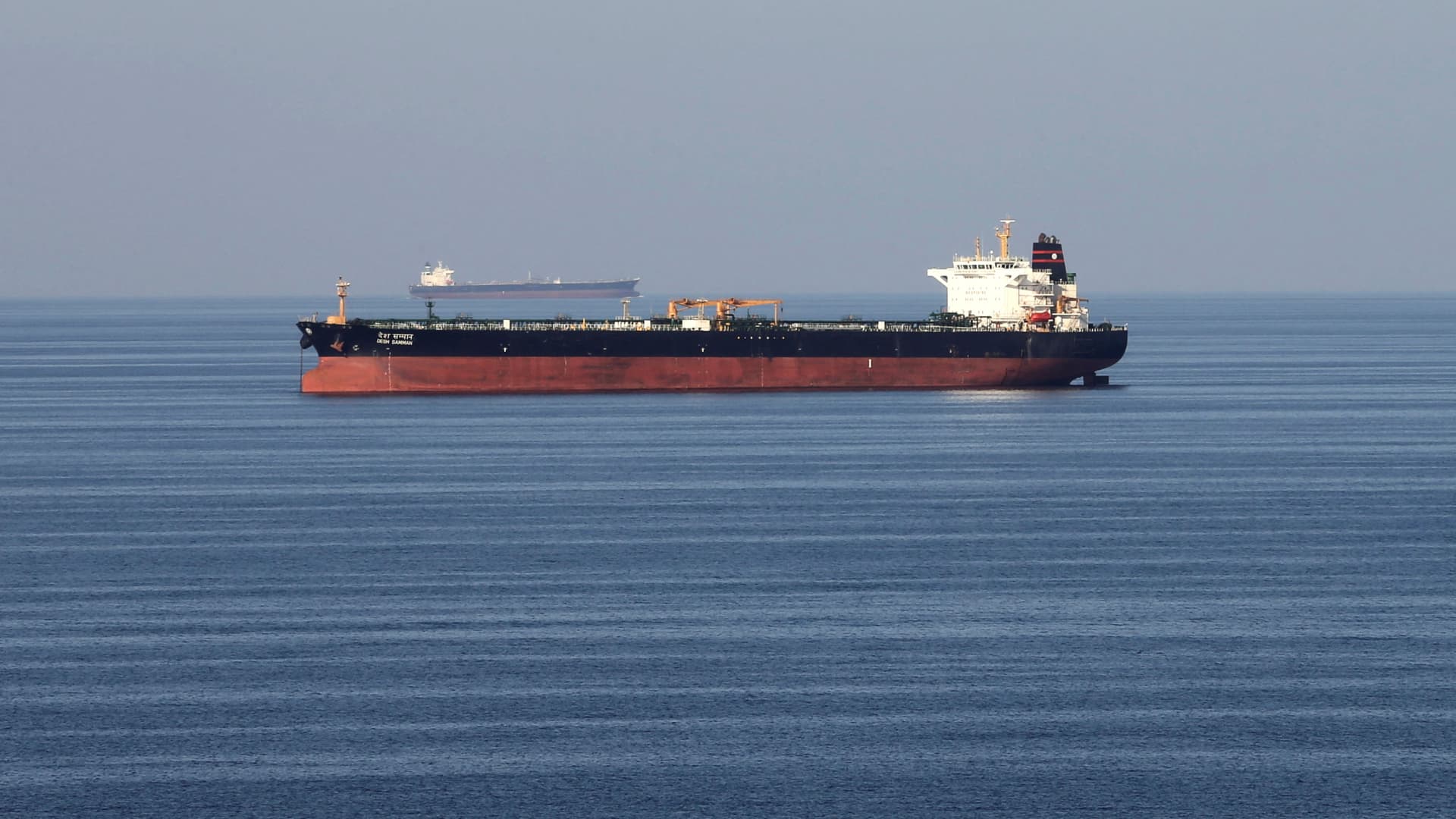
Oil prices fell on Wednesday as global investors assessed the United States’ strategic pivot towards economic sanctions rather than military strikes to pressure Iran. The move has eased immediate concerns over renewed geopolitical tensions, allowing market participants to recalibrate their risk assessments.
This decline marks a second consecutive day of falling prices, following a similar drop on Tuesday. The market reaction suggests that the shift away from the threat of military action has alleviated fears of an immediate supply disruption, a key driver of recent volatility in energy markets.
Diplomatic efforts are also contributing to the softer tone, with Pakistan playing a mediating role in the region. Pakistan Interior Minister Mohsin Naqvi reported a "very positive and productive meeting" with Iran’s president on Monday, indicating that momentum towards a resolution may be building.
The broader geopolitical backdrop remains complex, however. Tensions have been heightened since the collapse of a 60-day ceasefire between the US and Iran in June 2026. Recent escalations included US President Donald Trump’s assertion that the Strait of Hormuz will soon become United States territory, a claim that Iran’s deputy foreign minister rejected by stating the waterway would remain Iranian.
While the current pivot to economic pressure appears to be calming the market, the long-term impact on oil supply remains under assessment. Investors are watching to see if the softer-than-expected nature of the US sanctions and the diplomatic progress in Pakistan can sustain the easing of tensions.
According to CNBC, the primary driver of Wednesday’s price movement was the continued investor assessment of this new US strategy, which prioritises economic leverage over kinetic military options.