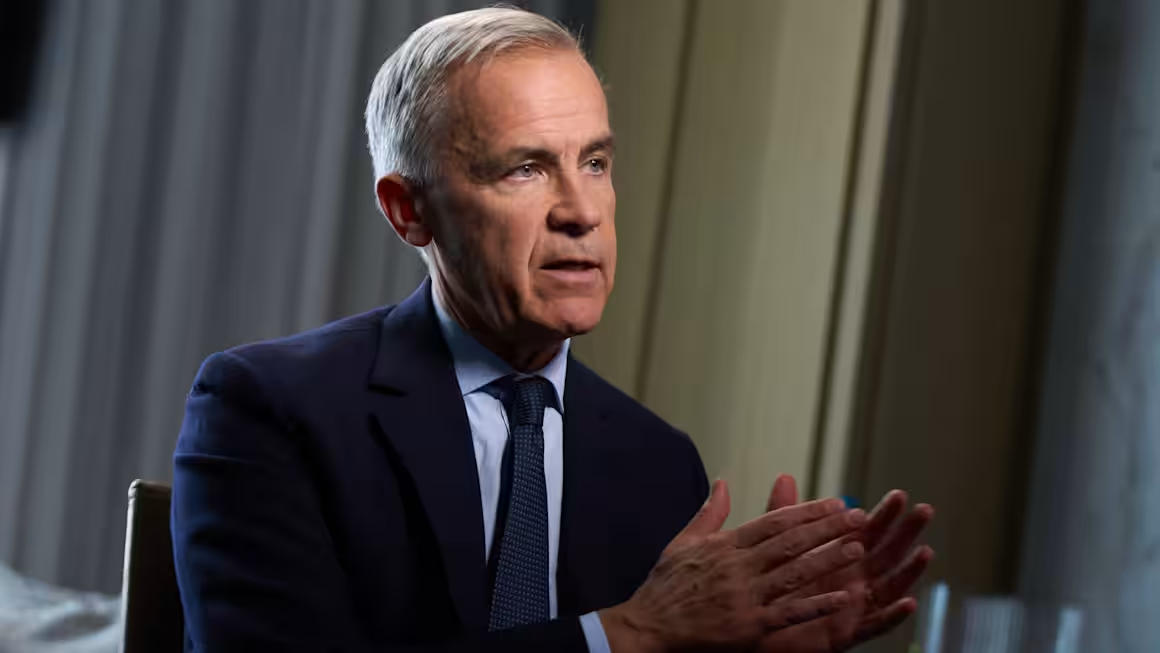
OECD warns of ‘dark scenario’ if Gulf energy crisis drags on
The Organisation for Economic Co-operation and Development has issued a stark warning regarding the potential economic fallout of a sustained Gulf energy crisis, comparing the severity of the risk to the global disruptions seen during the coronavirus pandemic.
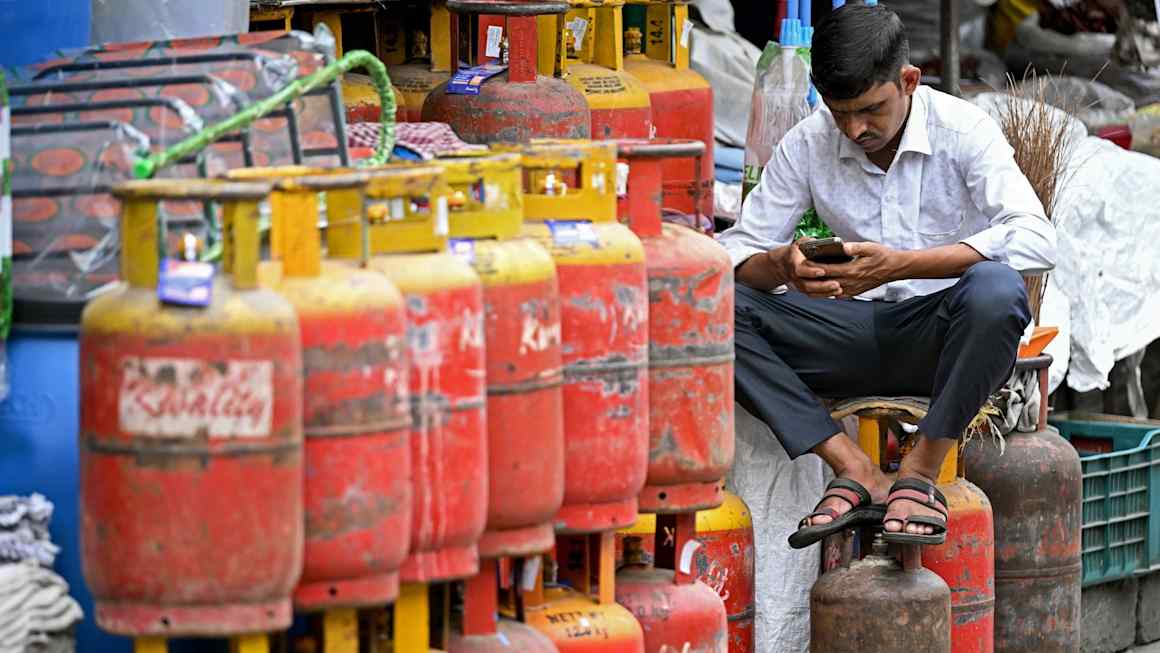
The Organisation for Economic Co-operation and Development (OECD) has issued a dire warning regarding the potential economic consequences of a prolonged Gulf energy crisis. The intergovernmental organisation cautioned that if the disruption to energy supplies in the region continues, global growth rates could tumble to levels rarely seen outside of major global events such as the coronavirus pandemic.
The OECD’s assessment centres on a ‘dark scenario’ for the global economy, contingent on the duration of the crisis. By invoking the pandemic as a benchmark, the organisation highlights the severe risk to worldwide economic stability should energy supply disruptions persist without resolution. This qualitative comparison serves to illustrate the magnitude of the potential decline in global growth, suggesting a shock of comparable historical significance.
While the specific causes and current status of the Gulf energy crisis are not detailed in the OECD’s statement, the warning underscores the vulnerability of global markets to regional energy shocks. The organisation’s focus remains on the trajectory of global growth rates, which could face a precipitous drop if the underlying energy issues are not addressed promptly.
The warning comes at a time when global economic indicators are closely scrutinised for signs of stability. The OECD’s caution suggests that policymakers and investors should prepare for significant headwinds, with the potential for growth metrics to regress to levels last observed during the height of the global health crisis.
It remains unclear whether the OECD has released a formal comprehensive report or if this assessment stems from a specific statement by its leadership. However, the core message is unambiguous: a dragging Gulf energy crisis poses a substantial threat to the global economic outlook, with the potential to trigger a downturn of historic proportions.