Oak exits stealth with $60m seed to overhaul AI-era identity management
Co-founded by former Tenable CPO Shai Morag, Oak launches a unified control plane designed to dynamically manage permissions for human and AI agent workforces.
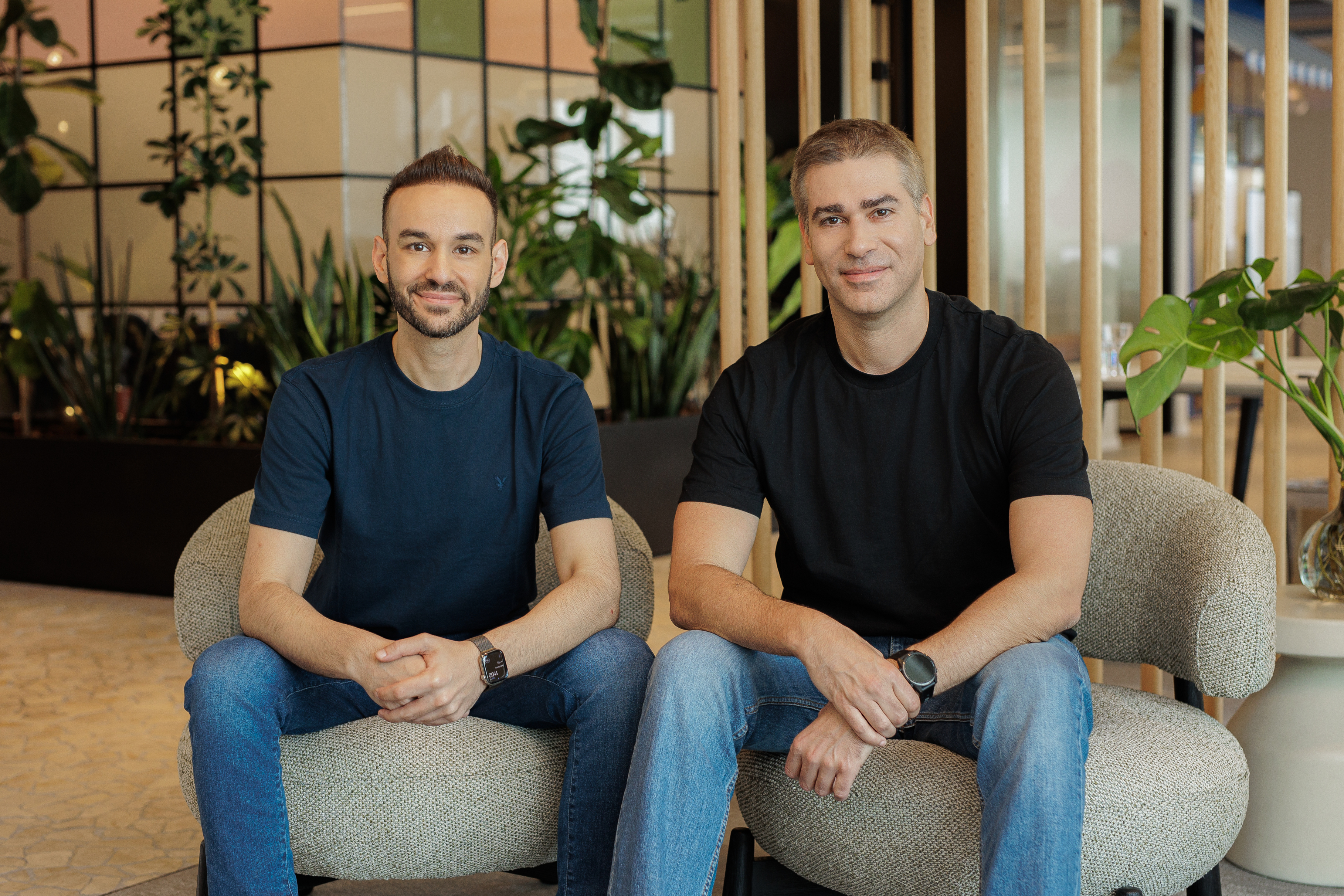
Israeli identity management startup Oak has emerged from stealth mode, announcing the general availability of its unified control plane alongside a $60 million seed funding round. The company aims to address the growing inadequacy of legacy identity access management (IAM) systems in environments where humans and AI agents coexist, positioning its AI-native framework as a direct replacement for outdated tools that rely on manual, operations-based processes.
The funding round was co-led by Accel, CRV and Greylock Partners, with participation from AlphaDrive Ventures, Hetz Ventures and angel investors. Oak plans to base the majority of its 50-person team in the United States, where it is actively hiring to support its research and development efforts. The capital follows months of consultation with 100 chief information security officers and IAM leaders, informing the development of a system that maps access to actual application usage and removes unused permissions in real time.
Co-founder Shai Morag, a former army major and serial entrepreneur, brings a history of significant exits in the cybersecurity sector, including the 2018 sale of Secdo to Palo Alto Networks and the 2023 acquisition of Ermetic by Tenable for $265 million. Morag served as Tenable’s chief product officer following the Ermetic acquisition but left the role after the death of CEO Amit Yoran. He co-founded Oak with Tal Marom, the company’s chief product officer, who previously held product leadership positions at Salesforce and in the Israeli military.
Oak’s platform addresses critical security vulnerabilities stemming from outdated credentials and poor identity management, risks that are expected to be amplified by the integration of AI agents. Morag noted that current processes are often too manual and lack risk-based triggers, such as alerts for logins from unusual locations. The new framework is designed to operate dynamically, ensuring that access rights are continuously aligned with actual usage rather than relying on periodic reviews.
Venture capital interest in Oak was driven by Morag’s established track record. Accel partner Andrei Brasoveanu, who led Ermetic’s Series A round, stated that the firm had provided Morag with an informal standing offer to support his next venture. Brasoveanu acknowledged the complexity of the identity management sector, citing deep vendor lock-in and the organisational challenges involved in selling enterprise security solutions, but expressed confidence in Oak’s ability to scale rapidly.
Despite the strong backing, Oak faces a competitive landscape where other vendors are attempting to leverage AI to disrupt the market. Morag described his vision for the company as being "born as a giant," emphasizing a commitment to aggressive growth. He indicated that this would be his final venture, stating he would not retire until he had dedicated his full efforts to establishing Oak as a dominant player in the identity management space.
