NYC and LA Forge ‘Bicoastal Bridge’ to Secure EV Supply Amid Federal Headwinds
With federal support for electrification receding, New York City and Los Angeles County are establishing a strategic partnership to mandate the production of electric vans, fire trucks, and snowplows, while sharing critical infrastructure and workforce data.
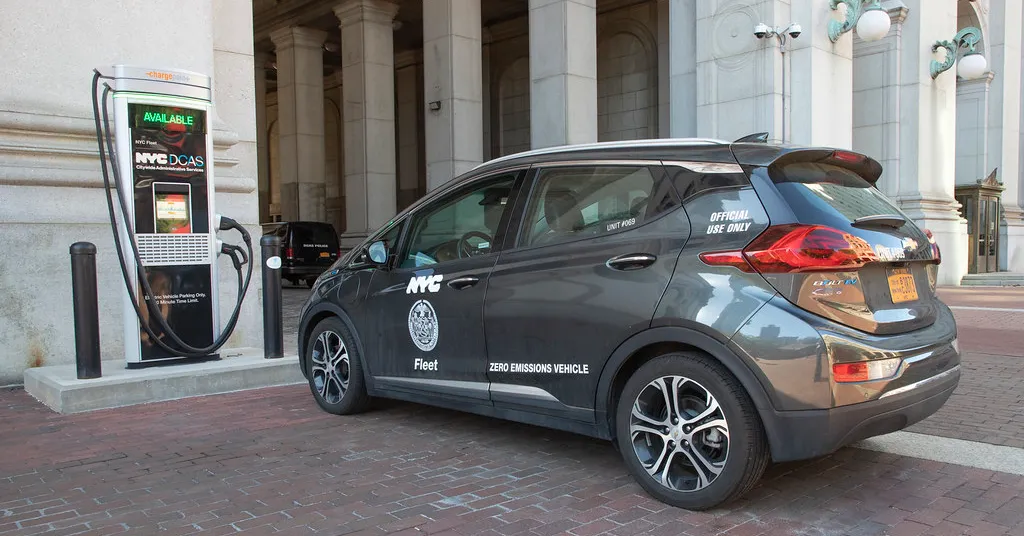
New York City and Los Angeles County have announced a strategic partnership, dubbed the “bicoastal bridge,” to leverage their combined purchasing power in advocating for the expansion of the electric vehicle market. The collaboration aims to incentivise manufacturers to produce specific electric models that are currently scarce or unavailable in the US market, including electric passenger vans, fire department pumper trucks, and snowplows. This joint effort is designed to support local electrification mandates amidst shifting federal policies and industry challenges.
New York City operates approximately 5,800 electric vehicles and 4,700 hybrid vehicles across its municipal fleet. A local law mandates a transition to battery-electric light- and medium-duty fleets by 2035 and trucks by 2038. Los Angeles County, which aims for 100 per cent fleet electrification by 2045, currently maintains 600 EVs and 350 plug-ins within its 20,000-vehicle fleet. The partnership seeks to share best practices on fleet management, charging infrastructure, and workforce training to support these ambitious local goals.
Keith Kerman, New York City’s chief fleet officer, stated that switching to battery electrics improves the city’s vehicle energy economy by 6 per cent, based on data from the US Department of Transportation. Kerman noted that the city has avoided doubling fuel costs by purchasing EVs and hybrids earlier than planned. “I regret every electric and hybrid vehicle we haven't bought yet,” he said, highlighting the financial benefits of early adoption despite current market volatility.
The collaboration addresses significant supply gaps, as US manufacturers do not currently produce electric versions of several vehicle types required by local governments. Electric vehicle charging remains a pain point; New York operates roughly 2,500 charging ports, the largest network in New York State, but officials acknowledge the need for significant expansion and robust backup power plans to support wider EV adoption.
Workforce training and employee engagement are critical components of the partnership. A city workers’ union agreement in March outlined how data collected from city vehicles, such as intelligent speed assistance, might be used in disciplinary actions, addressing employee concerns about workplace surveillance. Experts note that enthusiastic and well-trained workforces are essential for successful EV deployments, as technical challenges and morale issues can hinder progress.
Quintin Haynes, chief deputy director of the Los Angeles County Internal Services Department, emphasised that the partnership is about ensuring manufacturers understand future demand. “Manufacturers would really like to know what the future will be and what are the rules,” said Mike Finnern, senior vice president at WSP, a consulting firm. Guarantees of large, future orders from fleet managers like city governments are expected to provide stability for automakers navigating the current landscape.
The partnership also highlights the operational advantages of government fleets, which can precisely control charging and utilise vehicles with ranges of 250 to 400 miles per charge effectively. Unlike private consumers who may seek longer ranges than necessary, government fleets can optimise usage patterns to maximise efficiency and reduce maintenance costs. This data-driven approach is intended to serve as a model for other cities and private operators considering electrification.
