NWS forecasts below-average Atlantic hurricane season, warns against complacency
The National Weather Service projects eight to 14 named storms for the 2026 season, down from the historical average, yet officials urge residents to maintain preparedness due to the risk of catastrophic individual events.
Forecasters are predicting a below-average Atlantic hurricane season for 2026, which officially commences on June 1 and concludes on November 30. The National Weather Service (NWS) has projected eight to 14 named storms, including three to six hurricanes and one to three major hurricanes of Category 3, 4, or 5 strength. This outlook represents a significant reduction from the typical season average of 14 named storms and seven hurricanes.
The primary driver for the reduced activity is an expected El Niño phenomenon, which is likely to develop during the season. While El Niño can trigger increased hurricane activity in the Pacific, it tends to suppress Atlantic storms by increasing wind shear, which can break apart developing systems. The National Oceanic and Atmospheric Administration (NOAA), which oversees the NWS, estimates a 55 per cent probability of a below-normal season, with a 35 per cent chance of near-normal activity and only a 10 per cent chance of above-normal activity.
Despite the lower overall forecast, officials are urging residents to avoid complacency. Ken Graham, director of the National Weather Service, emphasised the persistent risk, stating, “It just takes one.” Warmer Atlantic water temperatures are expected to facilitate the rapid intensification of any storms that do form, a trend that is becoming more common as ocean temperatures rise. Marc Alessi, a science fellow at the Union for Concerned Scientists, noted that when warm ocean temperatures coincide with low wind shear, conditions are ripe for very strong hurricanes to develop.
Independent forecasts from Colorado State University align with the NWS assessment of below-average activity, predicting 13 named storms, six hurricanes, and two major hurricanes. CSU forecasters assigned a 32 per cent probability of a hurricane making landfall on the entire US coastline, with a 15 per cent chance for the US East Coast, including the Florida peninsula, and a 20 per cent chance for the Gulf Coast from the Florida panhandle to Brownsville, Texas. They noted that while eastern Atlantic waters are slightly cooler, warmer western tropical waters and lower atmospheric pressure could still boost activity.
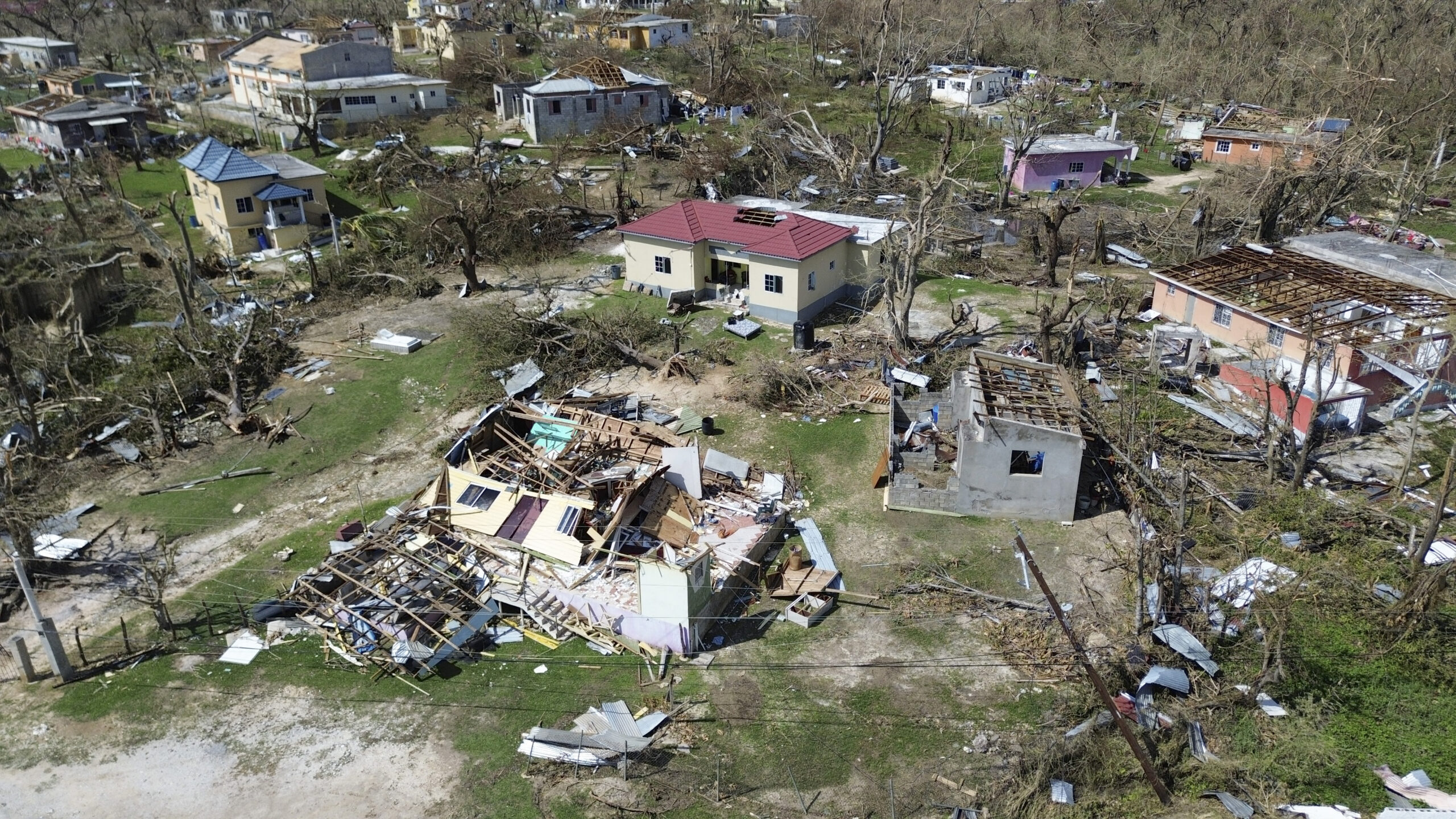
Experts caution that a statistically quiet season does not preclude catastrophic individual events. Alessi pointed to Hurricane Melissa, which recently devastated Jamaica with Category 5 winds, causing nearly $9 billion in damage and 95 fatalities. Haiyan Jiang, a meteorologist at Florida International University, added that a strong El Niño could boost water temperatures in the Gulf of Mexico, urging Floridians to prepare for potential outliers. “We see outliers all the time, especially with hurricanes,” Jiang said. “We probably won’t have as many number of storms as previous years. However, some storms get lucky.”
