Nvidia targets $200 billion CPU market with RTX Spark AI agent superchip
Partners including Microsoft, Dell, and HP will release devices this autumn featuring secure sandboxes and 1-petaflop compute power.
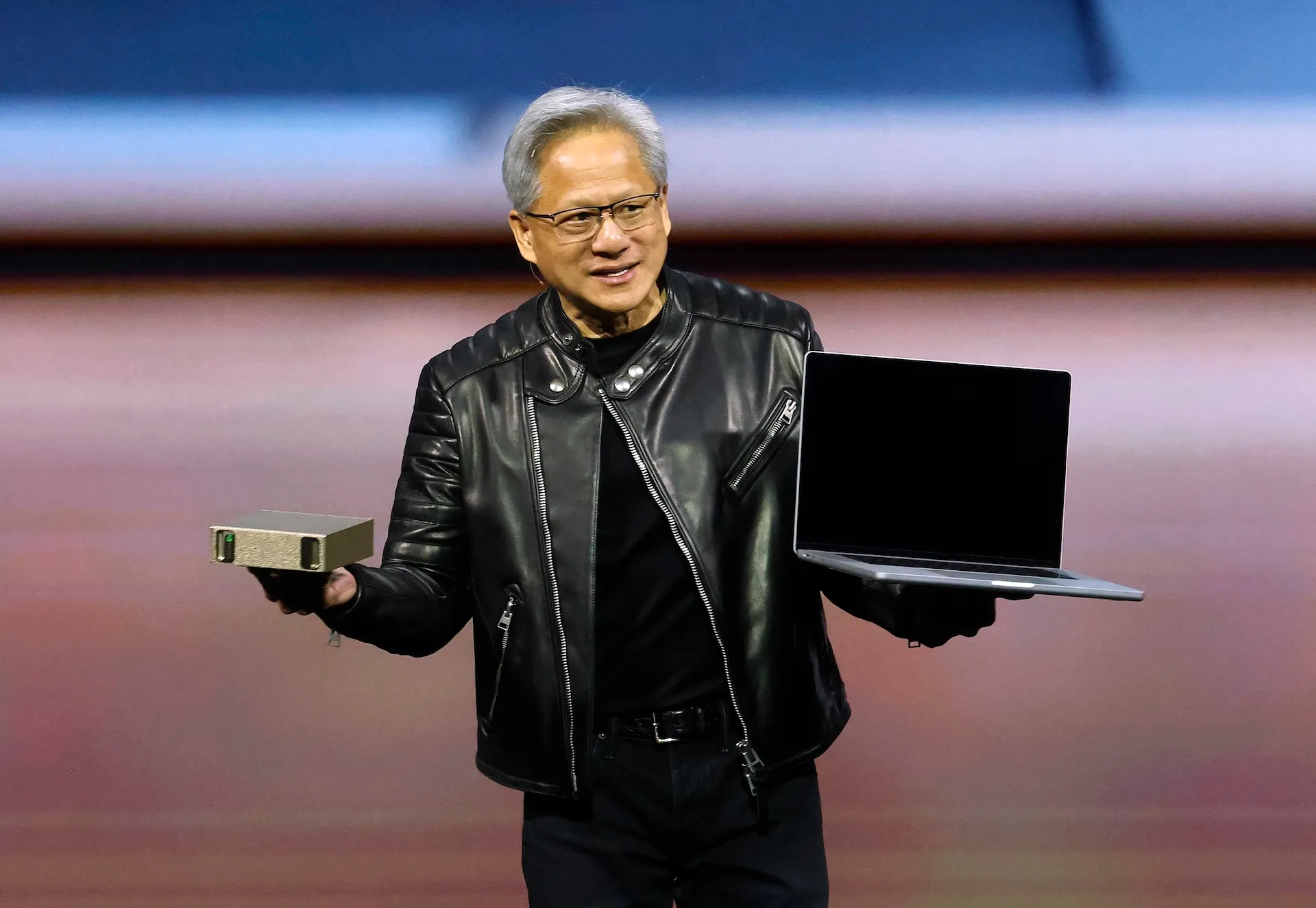
Nvidia has officially launched the RTX Spark, a new PC processor it describes as a “superchip,” during the Computex trade show in Taipei. Designed to run AI agents such as OpenClaw and Hermes Agent securely, the 1-petaflop chip marks a significant shift in the company’s strategy to capture a share of the broader CPU market. Nvidia CEO Jensen Huang positioned the technology as a gateway to a $200 billion opportunity, aiming to transition PC usage from traditional application-based interactions to AI-driven workflows.
The RTX Spark is an ARM-based processor featuring 20 CPU cores, 6,144 GPU CUDA cores, and 128GB of unified LPDDR5X memory. This architecture represents a departure from Nvidia’s traditional x86 focus for personal computing, leveraging local large language model capabilities to process tasks directly on the device. The chipmaker stated that its RTX technology will support AI features in more than 1,000 games and applications, offering improved performance for creators and gamers alike.
A key component of the RTX Spark ecosystem is the integration of secure sandboxes, jointly developed with Microsoft, to isolate and run AI agents safely. More than 100 Windows software makers have committed to supporting the new hardware, including Adobe, Blender, ComfyUI, Riot Games, and Xbox. Adobe has confirmed it is developing optimised versions of Photoshop and Premiere for the new architecture, while Microsoft and Nvidia are collaborating to port anti-cheat software for titles such as Valorant and League of Legends to ARM-based Windows devices.
Major technology partners are preparing to release AI-enabled Windows PCs powered by the RTX Spark this autumn. The list of initial manufacturers includes ASUS, Dell, HP, Lenovo, Microsoft Surface, and MSI, with models from Acer and Gigabyte expected to follow. Microsoft is positioning its own entry, the Surface Laptop Ultra, as the most powerful Surface Laptop ever built, highlighting the chip’s potential to challenge established competitors in the high-end laptop segment.
Huang’s vision extends beyond hardware sales, framing the RTX Spark as a foundational element for a future where billions of AI agents utilise tools akin to personal computers. This ambition follows a record earnings quarter where Nvidia highlighted its success in the server CPU space with the Vera processor, noting $20 billion in sales. While previous attempts at ARM-based Windows devices faced market resistance, Nvidia’s current offering boasts significantly higher performance metrics, with pricing details for the consumer devices yet to be disclosed.
