Nvidia maps out N2X and N3X chip roadmap at Computex 2026
The chipmaker confirmed plans for multiple generations of RTX Spark silicon, targeting a future where voice-controlled devices operate autonomously on personal hardware.
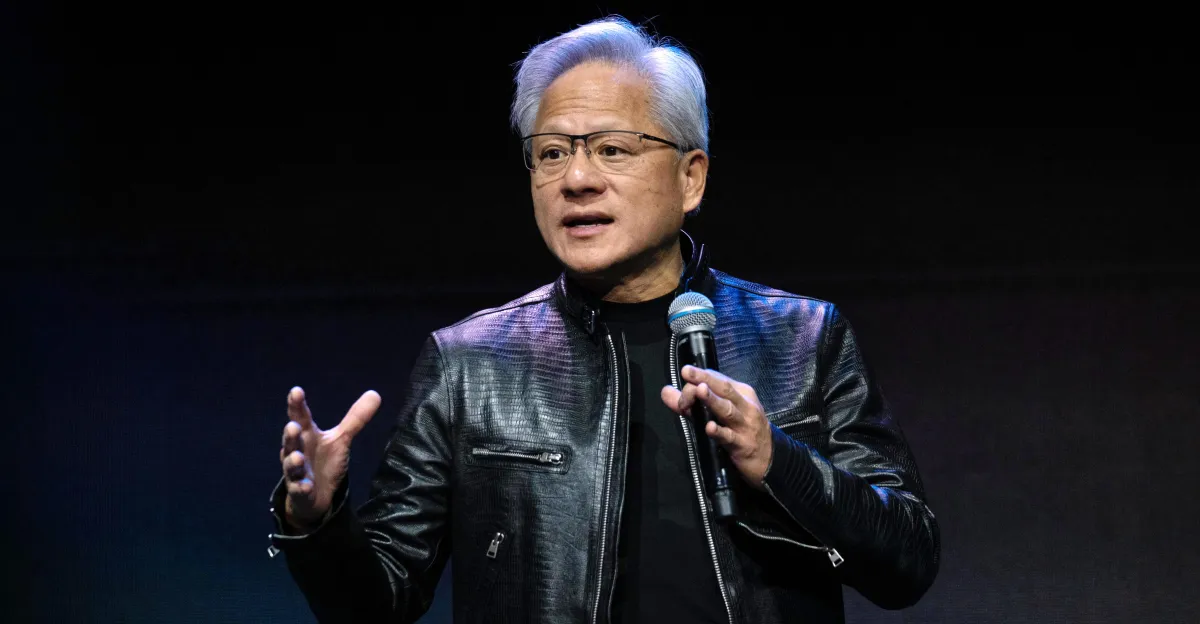
Nvidia has confirmed it is developing at least two further generations of its RTX Spark chip architecture, designated N2X and N3X, following the initial N1 and N1X models. The announcement was made by CEO Jensen Huang during the Computex 2026 keynote in Taipei, where he outlined a strategic vision to shift artificial intelligence processing from cloud-based services to local devices.
Huang described the long-term objective as creating computing experiences similar to those depicted in science fiction, specifically referencing *Star Trek* and *Star Wars*. He stated that the goal is to develop voice-controlled computers and droids capable of executing complex tasks remotely. To illustrate this ambition, Huang referenced a scene from *Star Trek IV* where a character mistakes a mouse for a microphone, highlighting the desired level of intuitive computer intelligence.
The company has been working towards this local AI infrastructure for approximately three years, a collaboration Huang revealed began with Microsoft CEO Satya Nadella. The initial RTX Spark laptops, which feature up to 128GB of RAM, are designed to support 120-billion-parameter AI agents. Huang acknowledged that these first-generation models are priced at approximately $3,000, a figure that targets power users willing to invest in early adoption of the technology.
A central pillar of Nvidia’s strategy is the argument that local compute is superior to cloud-based alternatives for daily use. Huang compared renting cloud AI services to leasing household appliances such as televisions or refrigerators, arguing that it is economically inefficient to pay for services that are used constantly. He emphasised that keeping data and tools on local hardware addresses significant privacy concerns and eliminates the recurring costs associated with cloud subscriptions.
While the first-generation hardware is positioned as a high-end option, Nvidia intends to scale the architecture down to versions with as little as 16GB of RAM. Huang confirmed that the RTX Spark family will expand over a long period, with the N1X model already identified as having a smaller variant, the N1. This roadmap suggests a sustained effort to embed capable local AI agents across a range of consumer devices.
