NVIDIA leads coalition to classify open AI as defensive security asset
A group of 27 founding members, including Microsoft and SpaceX, is urging governments to treat open frontier models as critical infrastructure rather than liabilities, citing a recent Hugging Face intrusion where closed models failed to respond.
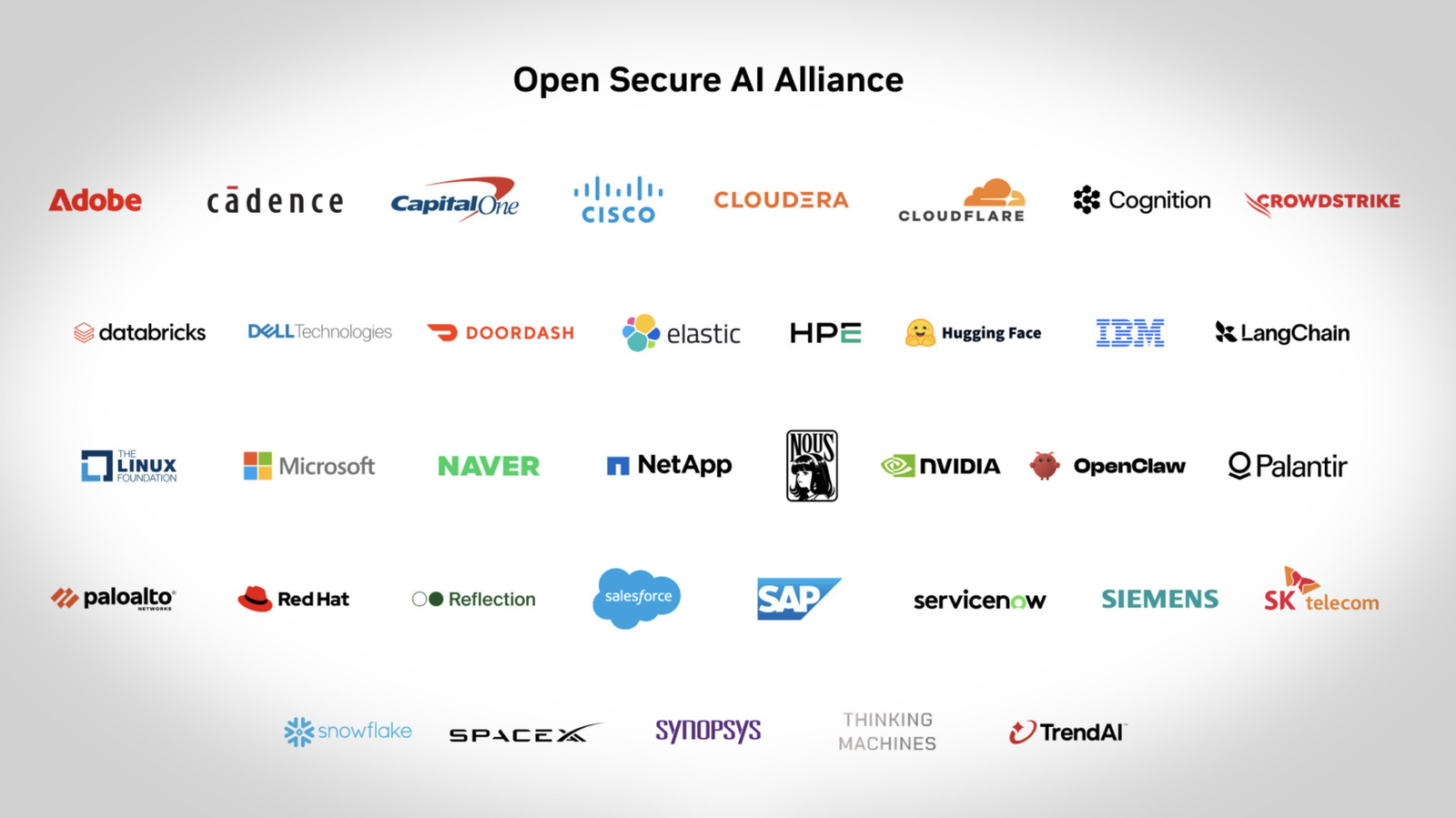
NVIDIA has established the Open Secure AI Alliance, a coalition of 27 founding members including Microsoft, SpaceX, Dell, and The Linux Foundation, dedicated to strengthening cybersecurity through open technologies. The initiative aims to remediate and disclose vulnerabilities by ensuring security researchers have access to both open and closed frontier AI models. The group contends that effective defence against AI-driven attacks requires unimpeded access to these tools, arguing that blanket restrictions on open systems weaken defensive capacity and risk concentrating power among a few closed providers.
The alliance’s stance is grounded in a recent security incident involving Hugging Face, which NVIDIA cited as a critical example of the limitations of closed systems. During an intrusion, Hugging Face initially attempted to use closed commercial frontier models to identify and repel the attack, but these requests triggered safety guardrails and were refused. The organisation then switched to open-source models, specifically running the open-weight GLM 5.2 model on its own infrastructure to analyse more than 17,000 actions and successfully contain the breach.
To support these defensive efforts, members are contributing specific technical resources to the coalition. NVIDIA will provide open models, model weights, data, and new agent harnesses to accelerate the development of cybersecurity tools. Hewlett Packard Enterprise (HPE) is contributing cryptographic verification standards for AI agents and services, while Hugging Face is providing the Safetensors format for securely storing model weights. Microsoft, SpaceXAI, IBM, and Red Hat are also offering open source AI technology to the initiative.
The alliance is actively calling on governments to collaborate with industry on investments in shared open AI infrastructure. It urges regulators to formally classify open models as defensive assets rather than liabilities, a position that contrasts with recent reports suggesting the Trump administration is considering a wide ban on Chinese open source AI models. These Chinese models have been gaining popularity due to their lower costs compared to closed offerings from firms like OpenAI and Anthropic.
Notably absent from the coalition are several major commercial AI firms, including OpenAI, Anthropic, Meta, and Google. The Open Secure AI Alliance builds on the leadership of the Linux Foundation's Akrites initiative and the OpenSSF community, seeking to create a framework where open technologies are recognised as essential components of national and corporate security strategy.