Nvidia enters consumer PC market with RTX Spark Arm-based chips
Manufactured on TSMC’s 3nm process in partnership with MediaTek, the RTX Spark marks Nvidia’s first move into complete system-on-chip computing, challenging Intel, AMD, Apple, and Qualcomm in the Windows on Arm space.
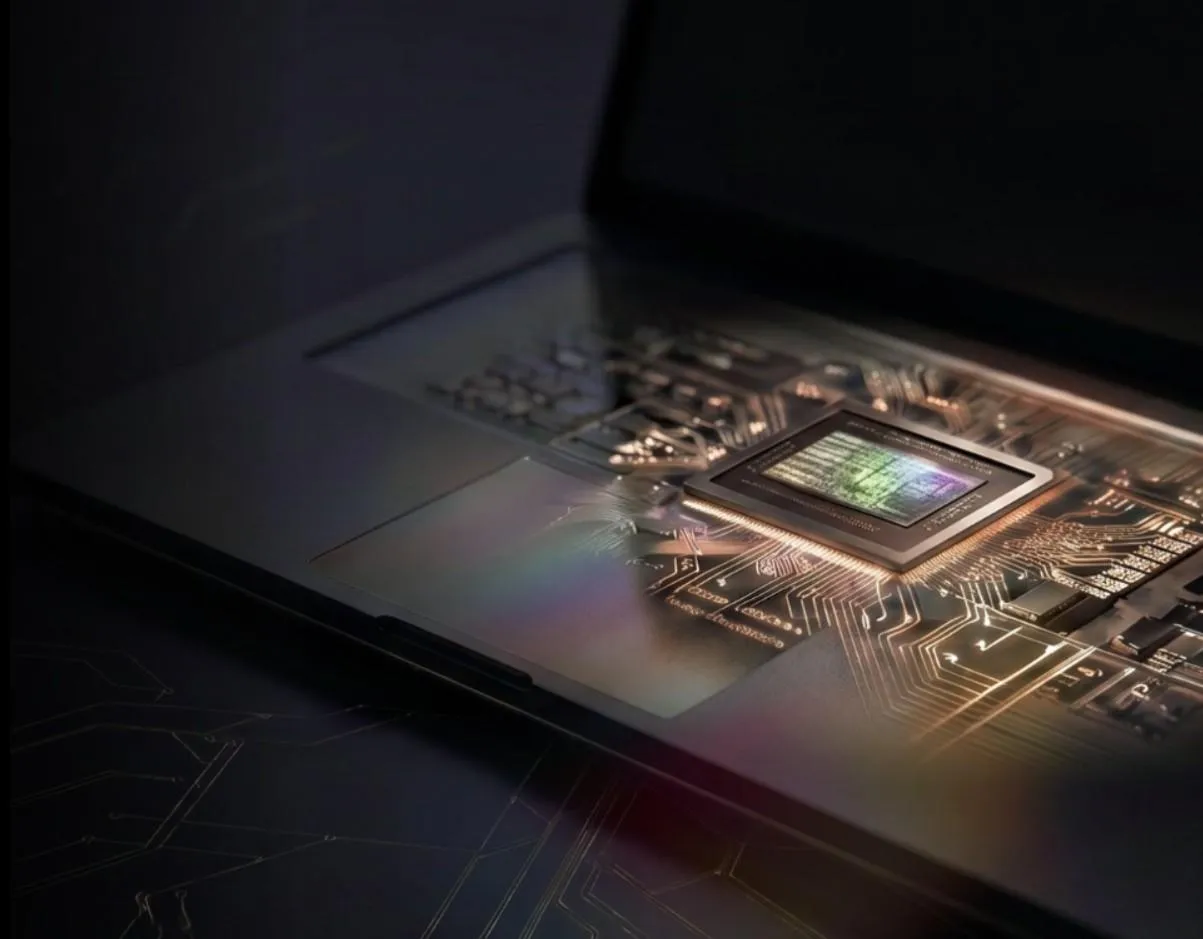
Nvidia has officially announced the RTX Spark, a new family of Arm-based system-on-chips designed for laptops and mini-PCs, signalling its entry into the consumer PC processor market alongside Intel, AMD, Apple, and Qualcomm. The company claims the flagship model is the most efficient PC chip ever built, featuring 20 CPU cores, 6,144 GPU cores, and support for up to 128GB of LPDDR5X memory. The silicon is manufactured on TSMC’s 3nm process in partnership with MediaTek and will run Windows on Arm, supporting local AI agents without the need for discrete graphics cards.
The announcement positions Nvidia to compete directly in the thin-and-light segment, with hardware partners including Microsoft, Acer, Asus, Dell, HP, Lenovo, and MSI developing devices for release this autumn. Microsoft is launching the Surface Laptop Ultra, described by Surface boss Andrew Hill as the most powerful device the company has ever made. Nvidia senior director of product management Mark Aevermann stated that the chip can render a 90GB 3D scene, edit 12K video, or run graphically intensive titles such as Indiana Jones and the Great Circle at 100fps at 1440p resolution in a 14mm-thick laptop without being plugged in.
A key focus of the RTX Spark is its capacity for local artificial intelligence, supporting agents of up to 120 billion parameters. This capability is integrated with Microsoft’s OpenShell runtime, which aims to allow personal agents to run safely under full user control. Nvidia suggests this creates a new computing paradigm where AI serves as the user experience, potentially automating tasks such as adjusting streaming settings or managing software development workflows. The company emphasised that keeping data local avoids token costs and maintains privacy, although it did not provide specific performance statistics or charts to substantiate its efficiency claims.
Software support is broadening across the Windows on Arm ecosystem, with native Arm versions of applications such as Blender, DaVinci Resolve, and Adobe Premiere and Photoshop already available. Microsoft confirmed that Riot Games is bringing League of Legends and Valorant to the platform, while Krafton is supporting PUBG. Nvidia noted that Epic’s Fortnite already operates on Windows on Arm, and the company is working with developers using Easy Anti-Cheat, BattlEye, and Denuvo to ensure compatibility.
Pricing and availability remain partially opaque, with Nvidia targeting premium price points for the initial wave of devices this autumn. Power consumption scales from low single-digit watts up to 80 watts, with Aevermann promising battery life significantly better than previous RTX laptops, though he acknowledged that heavy workloads could drain larger batteries in approximately an hour. Nvidia confirmed the RTX Spark will not be paired with additional discrete GPUs, a move that may limit desktop potential compared to systems that support add-in cards.
