Nvidia enters consumer PC market with Arm-based RTX Spark chip
CEO Jensen Huang unveils silicon designed for Microsoft, Dell, HP and ASUS devices, challenging Intel, AMD, Apple and Qualcomm in the contested laptop processor sector.
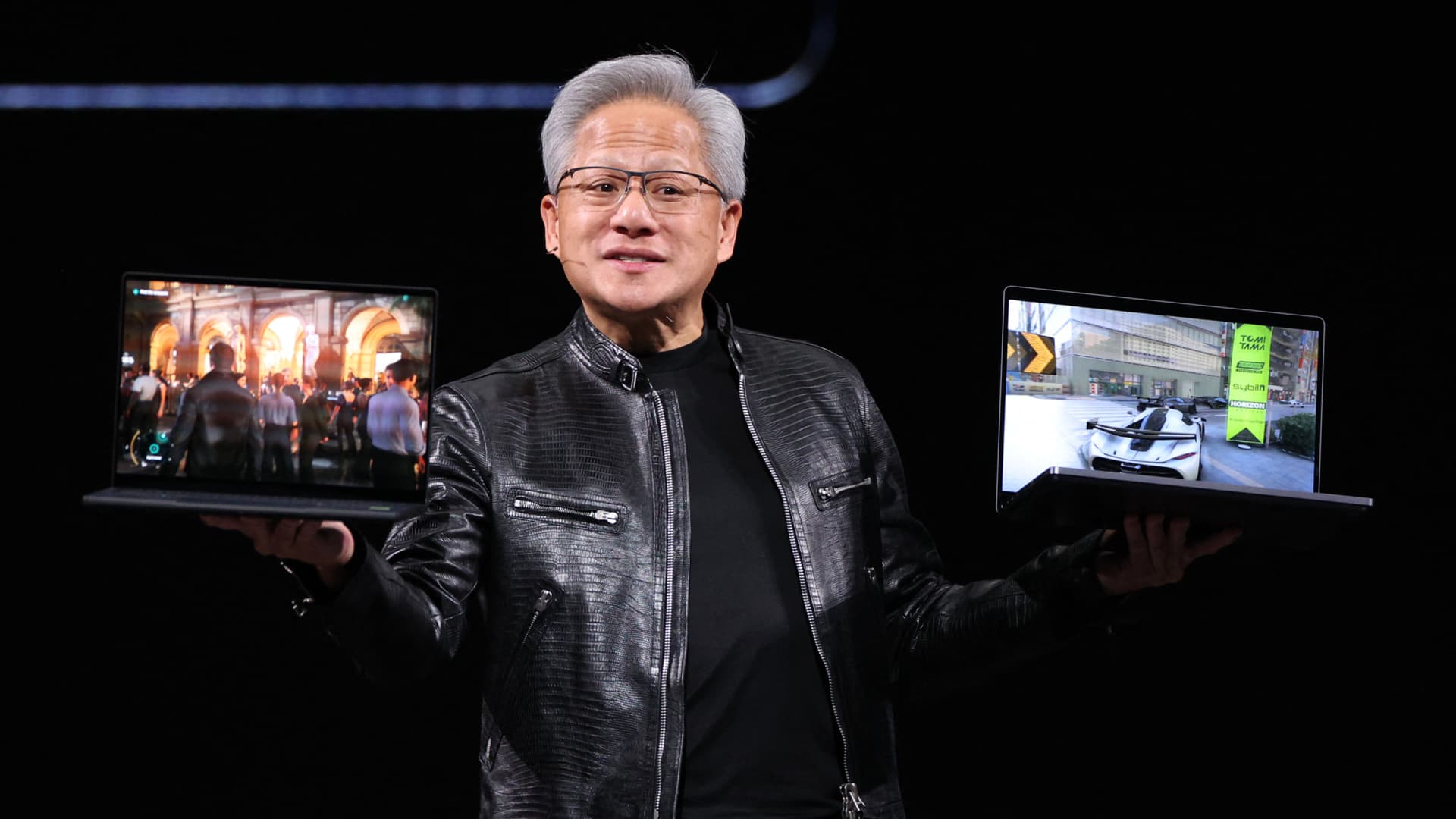
Nvidia has officially broken into the consumer personal computer market, unveiling a new Arm-based system-on-chip that marks the company’s first entry into the sector. Nvidia CEO Jensen Huang announced the launch, confirming the silicon will debut in new laptops from major manufacturers including Microsoft, Dell, HP and ASUS.
The new chip family, identified as RTX Spark, represents a significant strategic expansion for the graphics and AI accelerator giant. Historically, Nvidia has dominated the datacentre and gaming GPU markets, with institutional investors closely tracking its earnings and stock performance. This move places the company in direct competition with established players such as Intel, AMD, Apple and Qualcomm, who currently offer both x86 and Arm-based options for laptops.
Nvidia claims the flagship model of the RTX Spark is the most efficient PC chip ever built. The specific architecture features 20 CPU cores and 6,144 GPU cores, with support for up to 128GB of LPDDR5X memory. The company’s assertion regarding efficiency remains a marketing claim pending independent verification, as no quantitative performance benchmarks relative to existing competitors were provided in the announcement.
The introduction of the RTX Spark signals a shift in the contested laptop processor market. By targeting the broader laptop and mini-PC form factors, Nvidia is leveraging its expertise in high-performance computing to capture a share of the consumer PC segment. The specific release dates for the laptops powered by the new silicon, as well as exact pricing and availability for original equipment manufacturers, were not detailed in the source material.
This development follows a period of heavy institutional buying of Nvidia shares, driven by strong earnings reports and significant investor interest in the company’s AI-related growth. As Nvidia diversifies its revenue streams beyond datacentre accelerators, the successful adoption of the RTX Spark by key OEM partners will be a critical indicator of its ability to disrupt the incumbent PC processor landscape.