Nvidia CEO Jensen Huang asserts AI drives job creation and US re-industrialisation
Speaking at a Milken Institute event, Huang contrasts his optimism on employment with academic estimates suggesting significant job displacement
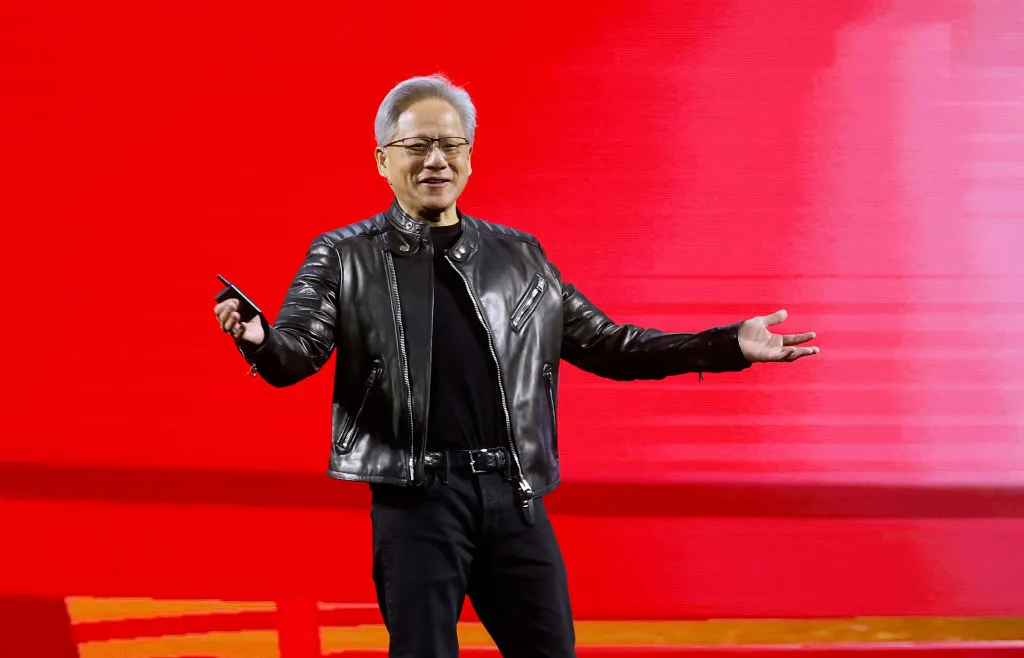
Nvidia chief executive Jensen Huang has dismissed concerns that artificial intelligence will trigger mass unemployment, stating instead that the technology is generating an enormous number of jobs. During a conversation hosted by the Milken Institute on Monday night with MSNBC's Becky Quick, Huang argued that while AI automates specific tasks, it does not replace entire roles. He emphasised that the broader function of an employee often remains intact even when discrete duties are automated by machines.
Central to Huang's argument is the view that the AI hardware industry acts as an industrial-scale generator of employment. He noted that the factories producing the critical infrastructure powering this technology require a large workforce, making the sector vital for the United States to re-industrialise. Huang characterised the narrative of inevitable economic collapse as science fiction, suggesting that such fear-mongering could make the technology unpopular and ultimately hinder its adoption across the country.
This perspective stands in contrast to ongoing economic anxiety regarding the impact of the AI industry on the US workforce. While industry leaders like Huang remain optimistic, some financial and academic organisations suggest that up to 15 per cent of jobs in the United States could be eliminated over the next several years due to AI. Huang addressed these conflicting views by distinguishing between a specific automated task and the overall purpose of a job, arguing that the latter is unlikely to vanish simply because a component of the role has been mechanised.
The discussion also touched upon whether the rapid pace of AI development leads to greater economic inequality compared to past industrial shifts. Huang warned that excessive anxiety surrounding the technology might prevent people from engaging with it, noting that the industry itself has sometimes contributed to hyperbolic rhetoric to generate buzz. He cautioned that if the public becomes too afraid of AI, it could stifle the very progress needed to capitalise on the technology's potential to create employment.
Despite the optimism from the technology sector, the long-term impact of AI on the overall US economy remains to be seen. Independent longitudinal data has yet to verify claims that AI will create an enormous number of jobs versus estimates predicting significant job loss. The debate continues between industry leaders who view AI as a job creator and critics who argue that current capabilities are being exaggerated as a marketing strategy to gin up excitement for products that may not be ready to replace human labour on that scale.
