Generative AI accelerates code production but risks amplifying cognitive debt, say industry practitioners
A synthesis of community feedback highlights the need for intentional socio-technical practices to sustain shared understanding in an era of rapid AI adoption
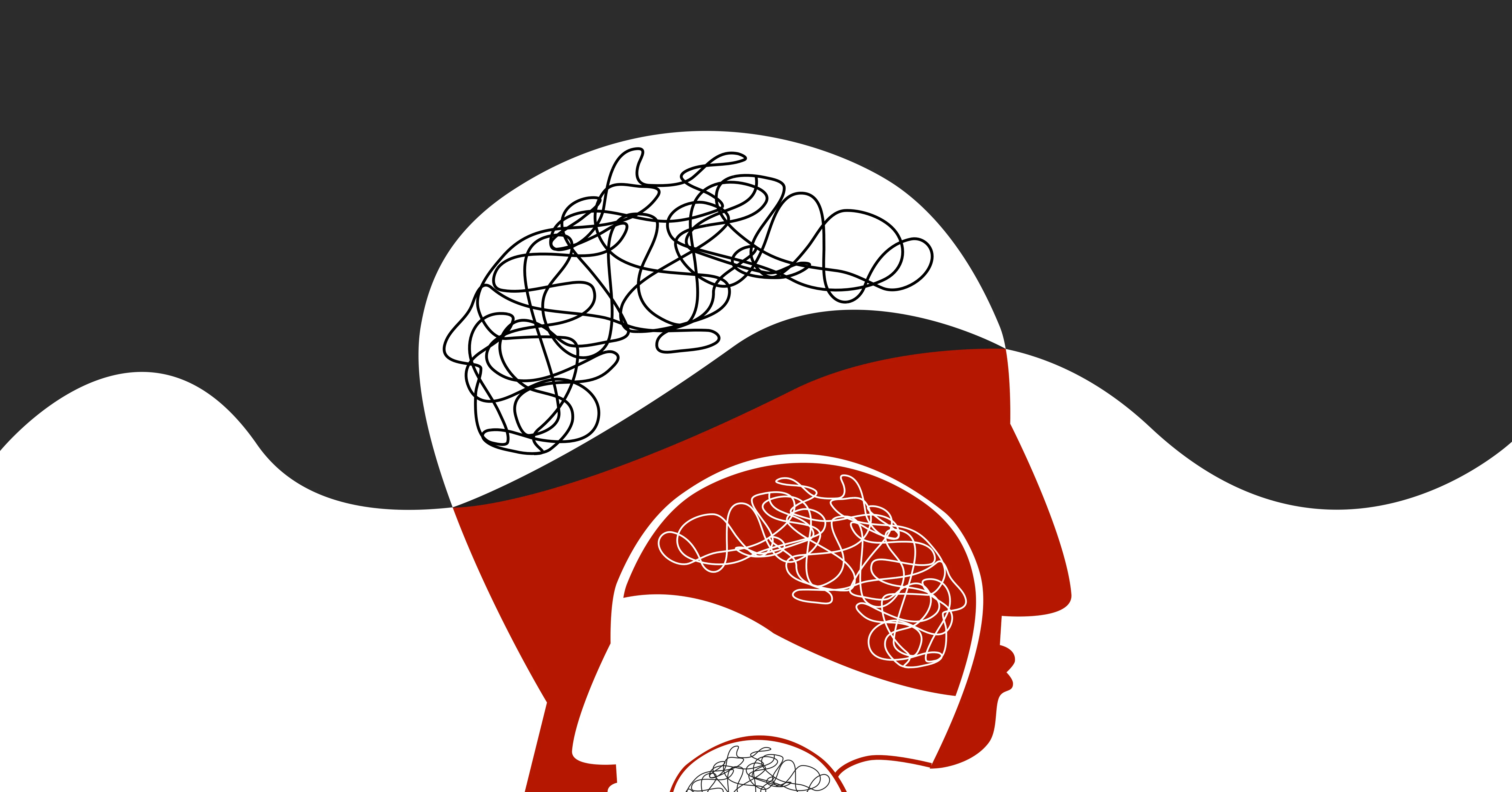
Margaret Storey has synthesised recent community feedback regarding her previous blog post on cognitive debt, defining the concept as the accumulated gap between a software system's evolving structure and a team's shared understanding of its intent and mechanics. The discussion highlights that while Generative and Agentic AI accelerates code production, it risks amplifying cognitive debt by allowing system evolution to outpace collective knowledge, thereby affecting developer well-being and system maintainability.
Practitioners such as Simon Willison report experiencing cognitive debt directly, noting that while AI allows them to move faster, they lose the deeper sensemaking that connects decisions to intent and code. This phenomenon is not merely about code quality but concerns whether individual developers and product teams can maintain a coherent mental model of what the system is doing and why. Across these discussions, one theme is consistent: velocity can outpace understanding.
The concept is being framed not just as an engineering discipline issue, but as one affecting developer emotional and cognitive states, with references to AI fatigue and burnout. Martin Fowler is cited as agreeing that cognitive debt, like technical debt, must be repaid, requiring the restoration of a distributed theory of the system that includes intent, rationale, and constraints.
A shift in incentives is noted: AI lowers the cost of producing structure, making it easier for structure to evolve faster than shared understanding can stabilise, even in disciplined teams. Mitigation strategies being explored include using AI deliberately to make cognitive work more visible, for example through dependency management and explanation, rather than obscuring it, and treating specifications as living artifacts.
High-performing teams have always managed technical debt intentionally, but the current challenge is adapting these practices to the socio-technical landscape of Generative AI. As AI is adopted by startups and large companies, the question becomes how teams will manage cognitive debt by shaping socio-technical practices and tools to externalise intent and sustain shared understanding.
Storey continues to monitor how this evolves, emphasising that as AI reduces technical friction, shared understanding may become the bottleneck on performance. The focus remains on how teams will use Generative and Agentic AI not only to accelerate code production but to maintain their collective theory of the system.