NV Energy to cut Lake Tahoe power supply by 2027 as data centre demand surges
Liberty Utilities faces urgent search for renewable energy supplier as NV Energy redirects capacity to northern Nevada data centres.
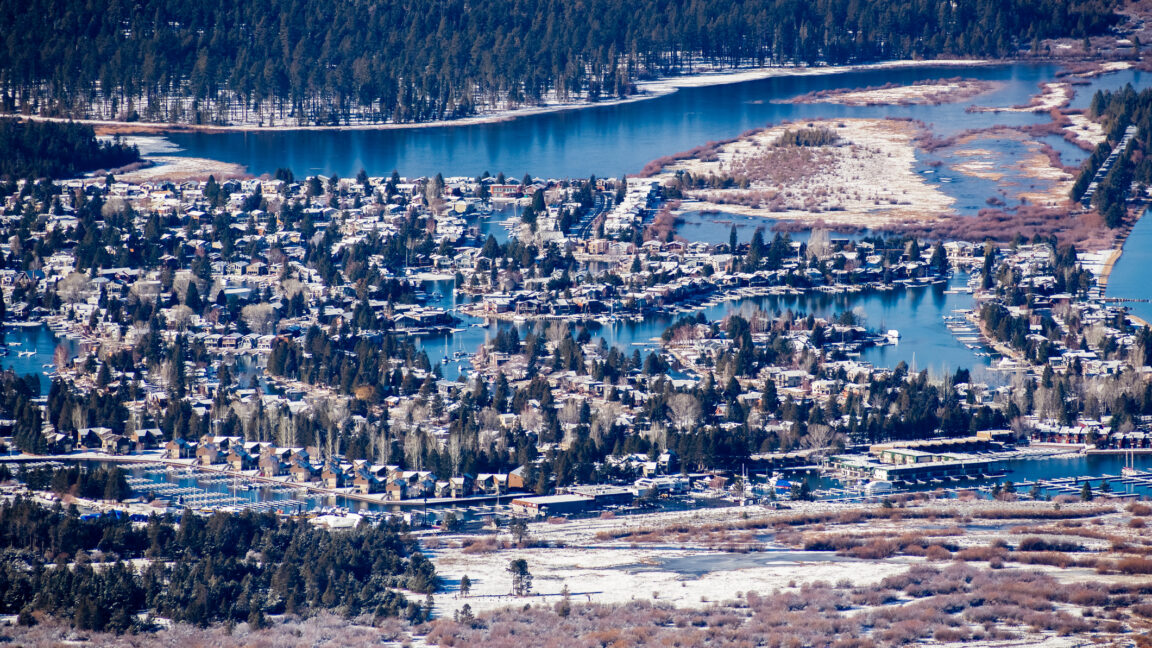
NV Energy, a Nevada-based utility, has announced it will cease supplying electricity to the Lake Tahoe region by May 2027. The decision impacts approximately 49,000 California residents currently served by Liberty Utilities, which sources 75 per cent of its power from NV Energy. The utility cited increased demand from new data centres in northern Nevada as a primary driver for ending the supply agreement, marking a significant shift in energy allocation for the border community.
Planning documents from NV Energy indicate that a dozen data centre projects in northern Nevada could drive 5,900 megawatts of new demand by 2033. This surge in load has prompted NV Energy to secure additional power-generation sources through contracts with technology companies. Notably, the utility recently agreed with Amazon to support 700 megawatts of low-carbon energy for Reno data centre operations, including 100 megawatts of geothermal energy.
Despite the clear correlation between data centre expansion and the supply cut, NV Energy representatives have pushed back on the narrative that artificial intelligence infrastructure is the sole culprit. The utility stated that the decision to stop supplying energy to Lake Tahoe is part of a long-term transition that predates the current AI boom. This distinction suggests that the reallocation of resources is part of a broader strategic shift rather than a reactive measure to recent tech investments.
The situation presents a complex regulatory challenge for Liberty Utilities. While Lake Tahoe residents pay rates approved by California state regulators, the grid servicing them sits under NV Energy’s authority and relies on Nevada power transmission lines. Liberty is now seeking a new energy supplier that meets California’s renewable energy requirements, a task complicated by the fragmented oversight of the power generation chain.
To address these infrastructure gaps, NV Energy is constructing the $4.2 billion Greenlink West transmission line. The project is expected to become operational by May 2027, potentially offering Liberty access to a wider pool of energy suppliers. However, the timeline aligns closely with the end of NV Energy’s current supply obligation, leaving Liberty Utilities with a narrow window to secure a replacement contract and ensure uninterrupted service for the resort town.
Public opposition to data centre development has become a bipartisan issue across the United States. A Gallup poll from March 2026 found that seven in ten Americans opposed AI data centres in their communities. This sentiment is reflected in the industry, where nearly half of data centre projects are currently facing delays or moratoriums due to labour shortages and power constraints.
As the tech industry grapples with these supply bottlenecks and public resistance, companies are exploring unconventional solutions. Proposals range from mini data centres for homeowners to more ambitious concepts such as orbital data centres and floating AI facilities in the ocean. For Lake Tahoe, however, the immediate focus remains on navigating the energy transition within the constraints of the existing grid infrastructure.
