Nul points: The UK’s Eurovision drought deepens in Vienna
As the UK’s streak of poor Eurovision results continues, The Guardian reviews the nation’s most notable failures, from Jemini’s historic nul points to the recent performances of James Newman and Sam Battle.
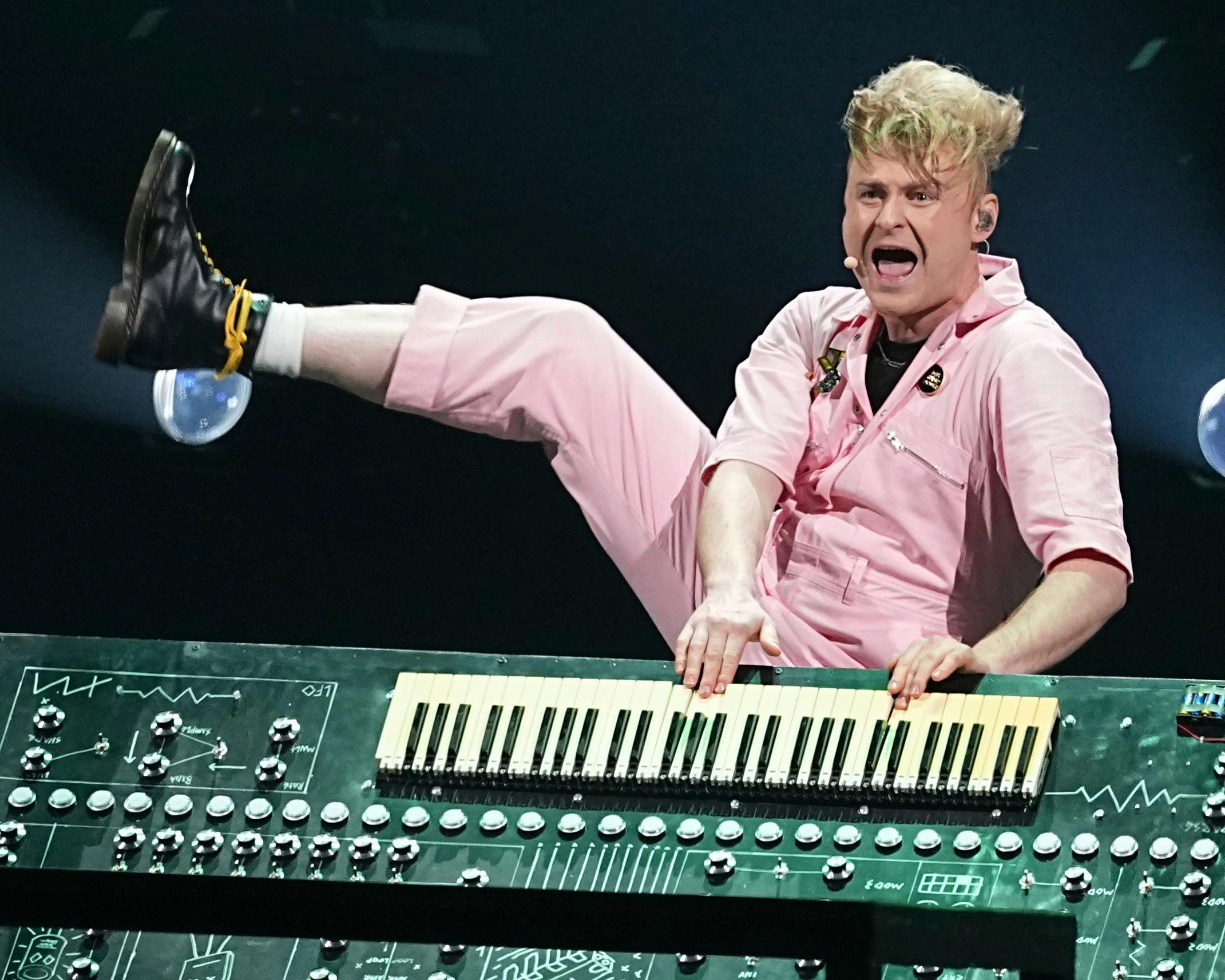
The United Kingdom’s standing in the Eurovision Song Contest suffered another significant blow on Saturday night as Look Mum No Computer finished rock bottom of the scoreboard in Vienna. The synth-popper, led by Sam Battle, received a solitary point from the juries and zero from the viewer vote, marking the UK’s third consecutive last-place finish since 2020. The result capped a chastening week for British participants in Austria, following the failure of Boy George’s contribution to San Marino’s entry to qualify for the final.
This latest defeat underscores a prolonged period of struggle for the UK, which has not won the annual pop contest for nearly three decades. The Guardian has published a retrospective analysis of the nation’s ten biggest Eurovision flops, highlighting a pattern of performances that have ranged from novelty acts to critically panned ballads. The publication notes that the UK has not secured a victory since 1998, with recent years defined by a series of high-profile missteps and public scepticism.
Historical data from the contest reveals that the UK has faced similar scrutiny in previous decades. In 2003, the duo Jemini became the first UK act to receive nul points, a result described by talent judge Louis Walsh as akin to picking a random person off the street who claimed they could sing. In 2007, the bubblegum pop group Scooch finished second from last with their camp performance of 'Flying the Flag (For You)', while Engelbert Humperdinck placed 25th out of 26 in 1967 with 'Love Will Set You Free'.
More recent failures have further entrenched this narrative. In 2023, James Newman received nul points with the song 'Embers', becoming only the second British act to achieve this distinction after a previous entry in 2020 was cancelled due to the pandemic. Prior to this decline, Sam Ryder’s second-place finish in 2022 had briefly restored national pride, but subsequent entries have failed to replicate that success. In 2021, Mae Muller finished second from last on home soil in Liverpool, scoring just enough points to beat Germany’s Lord of the Lost.
The current drought raises questions about the UK’s approach to the competition. Past entries have faced criticism for novelty value, perceived lack of seriousness, and poor song choices. With the UK yet to win in almost 30 years and a string of recent last-place finishes, the pressure mounts to identify a strategy that can reverse this trend and restore the nation’s competitive standing in the global music arena.