Notion pivots to agentic infrastructure with new developer platform
The update introduces custom code execution, database syncing via API, and Model Context Protocol integration, positioning the company to compete directly with workflow automation tools.
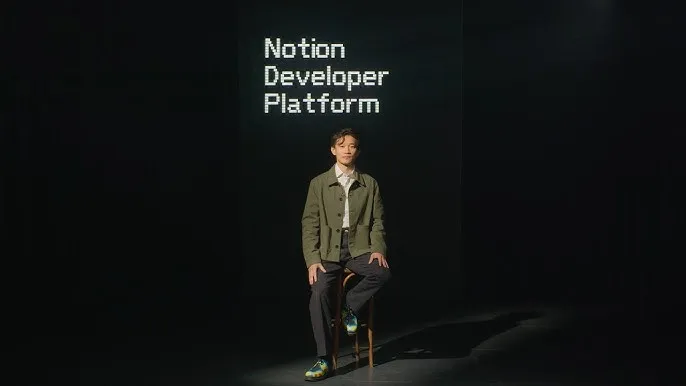
Notion has launched a new developer platform designed to transform its collaborative workspace into a central hub for artificial intelligence agents. The update introduces 'Workers', a cloud-based environment allowing teams to run custom code in a secure sandbox, and adds support for external AI agents through the Model Context Protocol. This strategic shift marks a departure from its origins as a simple note-taking application, positioning Notion as programmable infrastructure for agentic productivity.
The platform enables teams to integrate external agents, data sources, and custom logic directly into their workflows. Previously, Notion’s Custom Agents, launched in February 2024, lacked connectivity to external data or the ability to execute custom code. Users were forced to rely on third-party automation platforms or self-hosted scripts to bridge these gaps. The new architecture resolves these limitations by providing an orchestration layer that coordinates AI work across multiple tools and databases.
Central to the update is the introduction of Workers, which allows developers to deploy custom logic, sync data from external databases via API, and trigger actions through webhooks without relying on external infrastructure. The company noted that customers have built over one million Custom Agents since the initial launch, but the new tools are necessary to unlock deeper automation capabilities. Workers will utilise the same credit system as Custom Agents, though Notion is offering them free of charge through August to encourage experimentation.
Data connectivity is expanded through database sync features powered by Workers, enabling users to pull live data from any database with an API into their Notion workspace. This includes integration with major enterprise systems such as Salesforce, Zendesk, and Postgres. Co-founder and CEO Ivan Zhao stated during a live-streamed announcement that this capability allows users to treat their Notion database as a canvas to power both workflows and agents, effectively turning the workspace into a core operational tool.
The platform also supports direct interaction with external AI agents, including Claude Code, Cursor, Codex, and Decagon, via the Model Context Protocol. An External Agent API allows teams to connect their own internal agents to the Notion environment. These tools are accessible via the Notion CLI on Business and Enterprise plans. The move positions Notion to compete directly with workflow automation platforms as businesses increasingly seek to automate knowledge work and build internal AI systems.