Norway’s Rogfast tunnel advances toward 2033 completion amid complex engineering challenges
Contractors Skanska and Implenia utilise drill-and-blast methods to connect Stavanger and Bergen, navigating high water pressure and varied geology in a project attracting global interest.
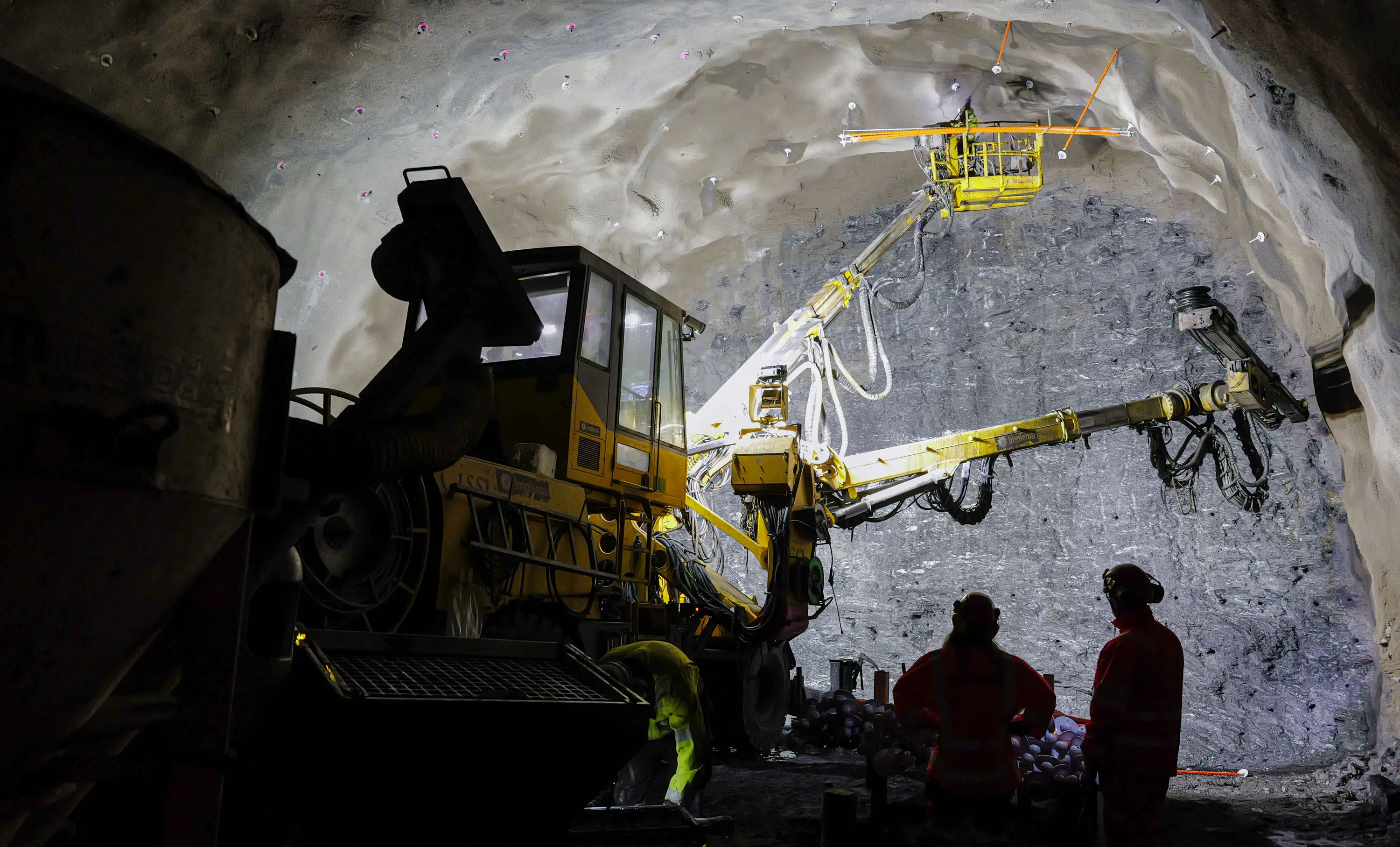
Norway is currently constructing Rogfast, recognised as the world’s longest and deepest subsea road tunnel. Spanning 26.7 kilometres beneath the North Sea, the infrastructure project aims to connect the cities of Stavanger and Bergen. Upon completion, scheduled for 2033, the tunnel will eliminate two existing ferry routes and reduce the five-hour journey by 40 minutes. The project is being managed by contractors Skanska, tunnelling from the north, and Implenia in partnership with Stangeland, tunnelling from the south.
The construction employs a drill-and-blast method rather than tunnel-boring machines to accommodate complex geology and high water pressure. This approach offers flexibility for long operations with varied rock types, with each blast advancing the tunnel face by approximately five to six metres. The two tunnel ends are scheduled to meet in 2029, with engineers using daily laser scans to ensure alignment within a few centimetres. The Norwegian Public Roads Administration oversees the project, which has attracted visitors from Japan, Spain, Morocco, and several US states keen to study the expertise.
Water management remains a critical challenge, with the tunnel reaching a maximum depth of 390 metres below sea level. Engineers monitor for leaks by drilling narrow holes into the rock face ahead of the blast. If water ingress exceeds four litres per hole per minute, grouting is employed, pumping cement-like sludge into the rock to seal fissures. Water that does trickle into the tunnel is redirected into mini reservoirs and pumped out, as stopping all leakage is deemed impossible.
The geology presents further complexities, with rock types ranging from compact phyllite to fractured granite and gneiss. Engineers grade rock stability on a scale of one to five, adjusting structural supports from steel rods to reinforced-concrete arches accordingly. Shotcrete, a mixture of liquid concrete and steel fibres, is sprayed onto walls to seal the tunnel. Additionally, ventilation shafts are being constructed from the island of Kvitsøy to manage air quality for road traffic, a requirement not present in rail tunnels.
Environmental and safety measures are integral to the project. Excavated rock, totalling 8.5 million cubic metres, is transported via a splitting barge to create new land, with real-time monitoring of water particulate levels to protect local lobster fishing and cod breeding. Driver safety includes undersea roundabouts and plans for artistic light installations to prevent drowsiness, while rescue chambers equipped with 24 hours of oxygen and medical supplies are installed throughout the tunnel.
