Norway Reopens North Sea Fields to Bolster European Energy Security
Oslo moves to stabilise supply amid Strait of Hormuz disruptions and Russian sanctions, drawing criticism from environmentalists over greenwashing claims.
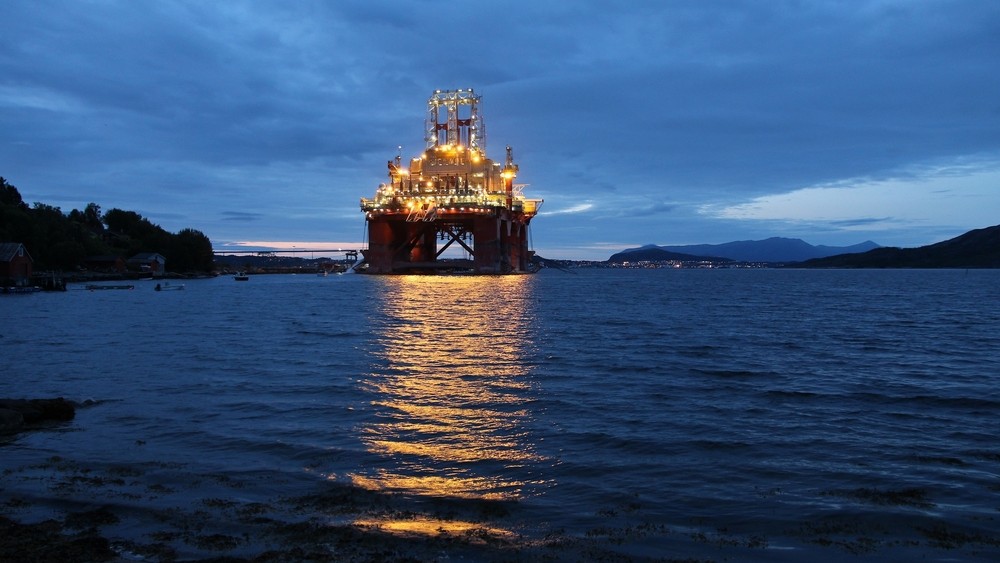
Norway has announced plans to reopen three North Sea gas fields—Albuskjell, Vest Ekofisk, and Tommeliten Gamma—by the end of 2028, a strategic move designed to stabilise Europe’s energy supply. The decision comes as the nation seeks to fill the void left by disruptions in the Strait of Hormuz and ongoing sanctions on Russian energy. Prime Minister Jonas Gahr Støre and Energy Minister Terje Aasland have emphasised Norway’s role as a reliable, long-term supplier to the European market, positioning the country as a critical alternative to Middle Eastern and Russian imports.
State-owned energy firm Equinor has committed to investing $6 billion annually up to 2035 to maintain output levels and avoid decline. Ola Morten Aanestad, press spokesperson for Equinor, highlighted plans for additional drilling, new developments, and pipeline infrastructure, including the development of smaller but important fields. This capital commitment aims to sustain production at levels recorded in 2025, ensuring that Norway can continue to meet European demand for decades to come.
The urgency of the move is underscored by recent production data and revised financial forecasts. In the first quarter of the year, Norway pumped 2.31 million barrels of oil equivalent per day, an increase of nearly 9 percent compared to the same period last year. Consequently, the government revised its earnings forecast for oil and gas production this year upwards from $60 billion to $79 billion, citing higher global energy prices. Approximately 90 to 95 percent of Norway’s oil exports go to Europe, while the EU receives around one-third of its gas imports from Oslo.
However, the country faces physical limits on its existing assets. Norway’s oil output is expected to decrease after 2030 unless new exploration projects are developed, as current projects are nearing maximum output. Energy Minister Terje Aasland stated in March that the focus is on being a stable, long, and predictable supplier, recently reaffirming that Norway will "develop, not dismantle, activity on our continental shelf." The government argues that maintaining high exploration activity is crucial to remaining a reliable supplier amidst geopolitical turmoil.
The policy has drawn sharp criticism from the Socialist Left party and environmental groups, who accuse the government of greenwashing and neglecting the transition to renewable energy. Lars Haltbrekken, deputy leader and environment spokesperson for the party, argued that the government is ignoring environmental advice and putting vulnerable natural areas at risk. Despite these concerns, the political consensus in Oslo remains focused on leveraging fossil fuel production to ensure European energy security during a period of significant global instability.