Nolan’s The Odyssey: A colossal origin-myth of postwar disillusion
Cinematographer Hoyte van Hoytema captures the true cost of conflict in a film that reimagines the Homeric legend through the lens of generational trauma and psychological anguish.
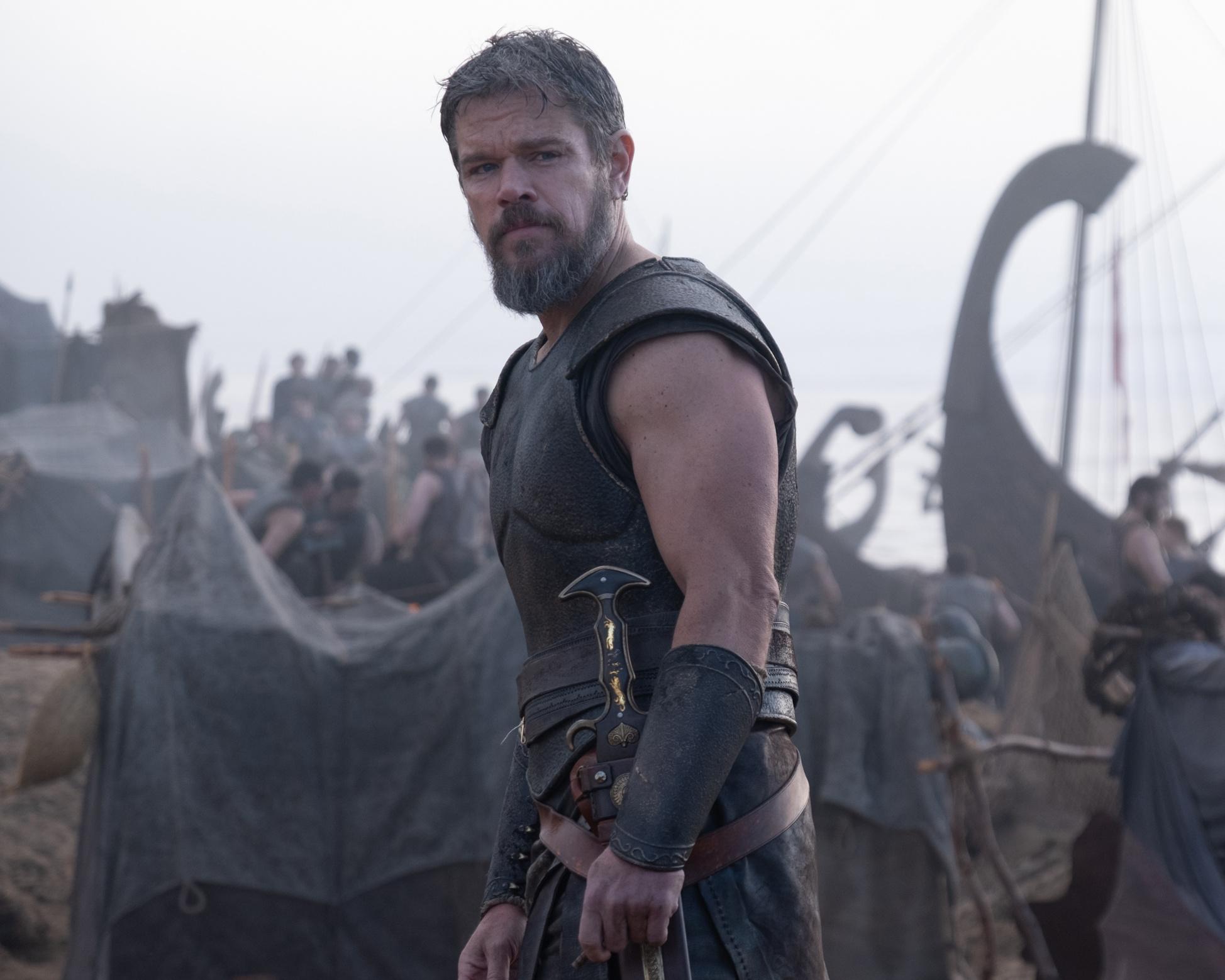
Christopher Nolan’s latest feature, The Odyssey, has been reviewed by The Guardian as a breathtaking epic that reimagines the Homeric legend as a colossal origin-myth of postwar disillusion. Starring Matt Damon as the title character, the film explores the psychological toll of war, focusing on the invisible odyssey of anguish and the moral metamorphosis of a hero who returns from battle physically intact but spiritually fractured. The narrative is characterised by a serious, generous tone and thrilling ambition, aiming to convey the true cost of conflict rather than merely the physical combat.
The film boasts an ensemble cast including Anne Hathaway, Zendaya, Lupita Nyong’o, Benny Safdie, Robert Pattinson, Elliot Page, John Leguizamo, Tom Holland, Charlize Theron, Samantha Morton, and Jon Bernthal. Damon portrays Odysseus as a careworn commander whose boyish face has been hardened by the horrors of war. The plot reinterprets the Trojan War not as a glorious endeavour, but as a banal commercial contest for trading routes, with the eventual victory achieved through a deceptive tactic involving a massive horse statue. This statue is described in the review as a cross between the Statue of Liberty from Planet of the Apes and Shelley’s Ozymandias, symbolising the irrelevance of the war’s stated aims compared to the chaotic aftermath.
Cinematography by Hoyte van Hoytema plays a pivotal role in establishing the film’s atmosphere, capturing gasp-inducing, Imax-sized landscapes of loneliness. The review notes that van Hoytema deliberately avoids the traditional clichéd colour palettes associated with the sea, instead utilising throbbing drums and full-tilt battle sequences to underscore the visceral experience of the soldiers. The visual language supports the film’s focus on PTSD, depicting flashbacks, hallucinations, and confrontations with capricious deities who interact with humans on almost equal terms.
Key narrative elements include Odysseus’s encounters with mythological figures such as Circe, Calypso, and the sorrowing goddess Athena, played by Zendaya. The film also features a descent into the underworld, where shrouded spirits are depicted hunching above ground like the witches in Macbeth, blurring the lines between the living and the dead. At home in Ithaca, Odysseus’s wife Penelope is forced to endure a humiliating siege by suitors led by Robert Pattinson’s Antinous, while his son Telemachus, played by Tom Holland, embarks on his own quest to find his father or his corpse.
Despite its scale, the review acknowledges that some dialogue is broad-brush, though applied with a muscular flourish. The film excludes certain elements from the original Homer text, such as the hero’s grandfather Autolycus, to focus on the existential enmity that defines Odysseus’s journey. Ultimately, The Odyssey is presented as a grim resolution to continue with the fight, offering no easy wisdom or contentment, but rather a stark reflection on the scorched battlefield of loss and the long road to recovery.