NOAA forecasts subdued 2026 Atlantic hurricane season as El Niño takes hold
The US National Oceanic and Atmospheric Administration projects 8 to 14 named systems for the upcoming season, driven by emerging El Niño conditions, while integrating new AI and drone technologies to offset staffing reductions.
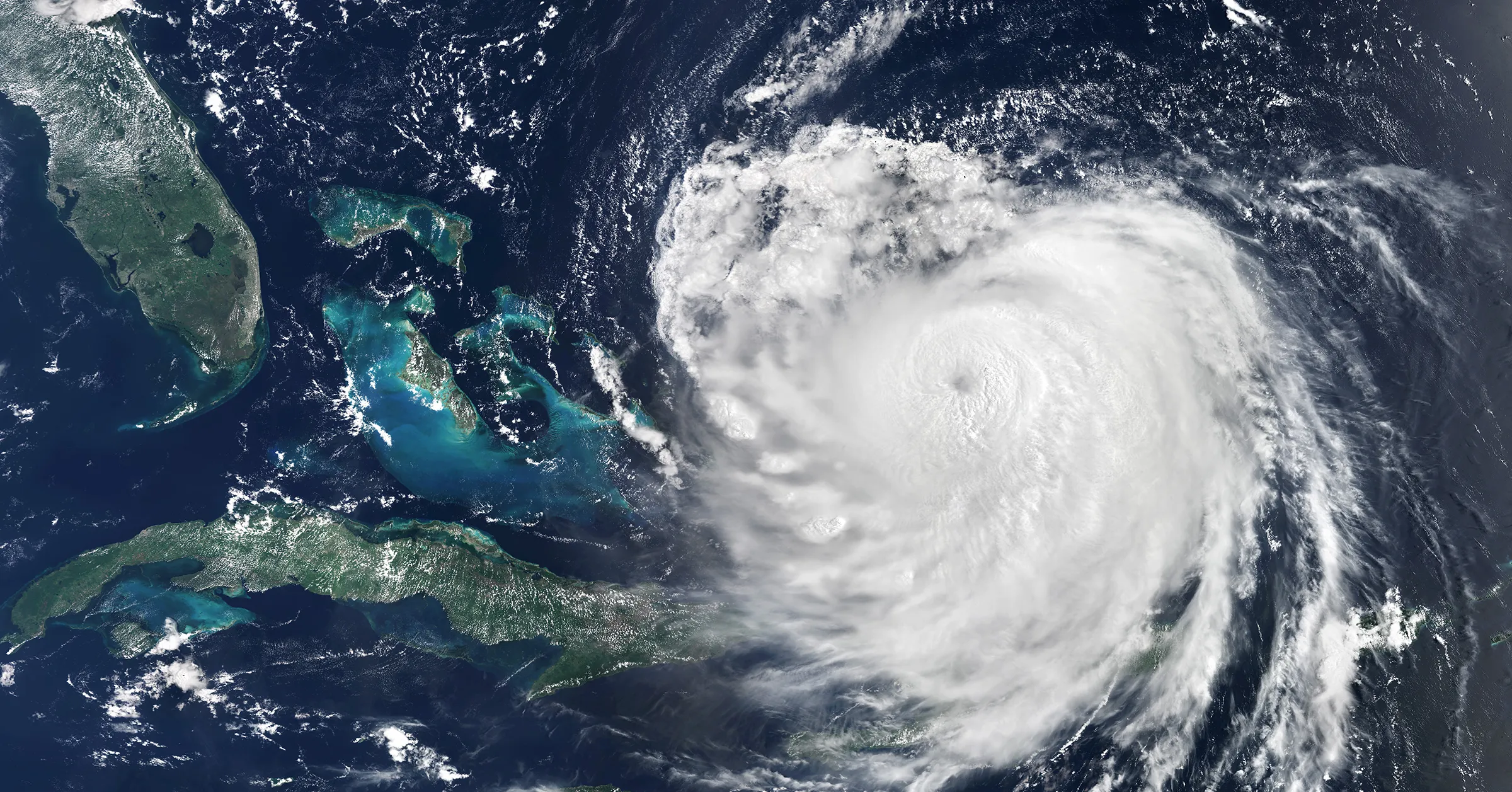
The US National Oceanic and Atmospheric Administration has issued a preliminary forecast for the 2026 Atlantic hurricane season, predicting below-average activity driven by the emergence of an El Niño event. NOAA Administrator Neil Jacobs stated that the agency expects between eight and 14 named tropical systems, with three to six developing into hurricanes and one to three reaching Category 3 intensity or higher. The subdued outlook contrasts with the typically active conditions seen in neutral or La Niña years, as the emerging El Niño pattern is expected to increase wind shear across the tropical Atlantic, inhibiting storm formation.
Jacobs attributed the lower activity primarily to the El Niño phenomenon, which is likely to emerge this summer. Characterised by a stretch of warm ocean water across the Pacific, the event rearranges global weather patterns and stirs up upper-atmosphere winds that can tear apart developing storms in the Atlantic. Historical data from the three most recent super El Niño events shows accumulated cyclone energy well below normal levels, reinforcing the current forecast. However, Jacobs cautioned that the season remains hazardous, noting that a single landfall can cause catastrophic damage. He cited Hurricane Melissa from the previous year as a stark example of how a below-average season can still produce a Category 5 storm capable of significant destruction.
Despite the overall subdued forecast, local factors continue to complicate predictions. The Atlantic Ocean is currently warmer than normal, which can support storm formation and intensification, while plumes of Sahara dust may inhibit development by gumming up the atmosphere. Jacobs noted that predicting the timing of these dust plumes remains notoriously difficult, referencing last year’s outcome where a below-average number of named storms formed despite an active initial forecast. These variables underscore the limitations of seasonal outlooks, which serve primarily as guides for federal and state agencies to preposition supplies and resources rather than precise indicators of individual storm impacts.
To enhance forecasting precision amid operational challenges, NOAA is integrating artificial intelligence models and deploying aerial drones for the first time. The agency has rolled out a suite of AI weather models developed in partnership with Google DeepMind, which provide improved prediction of tropical cyclone tracks compared to traditional equation-based models. However, the agency acknowledged that the AI models currently lag behind traditional methods in predicting storm intensity. Jacobs touted the value of these new observations, including the operational deployment of drones, as critical tools for maintaining data quality.
The technological upgrades come at a time when the agency faces structural headwinds. The Trump administration has implemented reductions in NOAA staffing and curtailed the collection of certain data, including weather balloon measurements, which can impact forecast accuracy. Jacobs emphasised that while seasonal forecasts provide a useful framework for resource allocation, the ultimate risk lies in individual storm behaviour. He reiterated that even in quiet years, major storms can and do make landfall, requiring vigilance from the public and emergency managers alike regardless of the aggregate seasonal outlook.
