NOAA confirms 'super El Niño' onset, projecting record-breaking global weather impacts
The National Oceanic and Atmospheric Administration has officially declared the arrival of El Niño, with a 63 per cent probability of it reaching 'super' status and disrupting weather patterns from the United States to Africa.
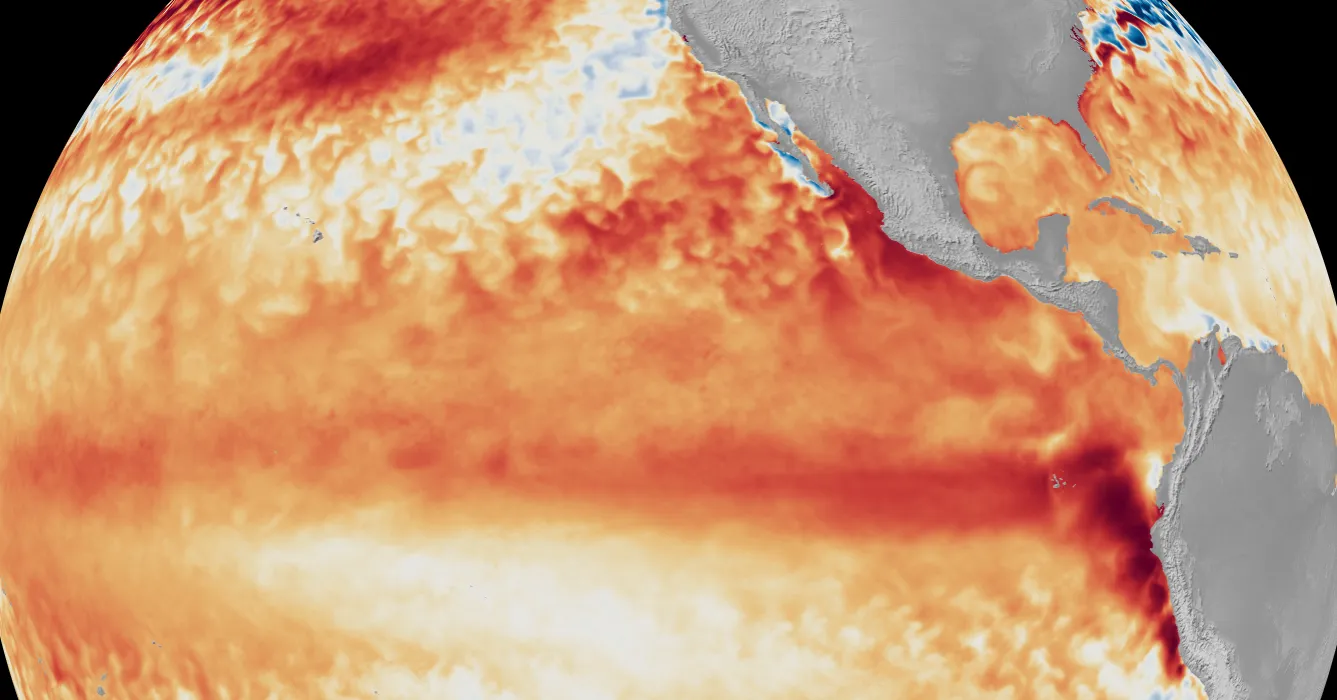
The National Oceanic and Atmospheric Administration has officially declared the onset of El Niño, marking the beginning of a climate phenomenon characterised by significantly warmer-than-average waters in the eastern tropical Pacific. The declaration follows a period where temperatures in the NINO3.4 region of the Pacific exceeded the threshold of 0.5 degrees Celsius above average for a three-month period. This shift has been accompanied by a surge in sea levels of up to 18 centimetres in the same region, driven by westerly winds piling water against the American coast.
Climate models indicate that this year’s event could be the strongest on record, with some projections suggesting temperatures could surpass 5.4 degrees Fahrenheit above the long-term average. NOAA has assigned a 63 per cent probability that the event will exceed the 3.6-degree Fahrenheit threshold required to be classified as a 'super El Niño'. The intensity of this event is expected to have profound implications for global weather patterns, releasing additional heat into the atmosphere and exacerbating existing global warming trends.
The anticipated impacts include increased rainfall in the southwestern United States and a reduced likelihood of Atlantic hurricane activity. Conversely, drought risks are projected to heighten in Indonesia and the Sahel region of Africa. Historical precedents underscore the severity of such events; the 1997-98 El Niño caused Indonesia’s worst drought on record, while the 2023-24 iteration led to severe drought in Southern Africa, necessitating food assistance for 61 million people.
The phenomenon also poses significant risks to marine ecosystems, with coral reefs facing further damage from the elevated ocean temperatures. These reefs are already under stress from rising baseline temperatures caused by fossil fuel emissions. The additional heat released by El Niño acts as a catalyst, potentially accelerating the pace of climate-related disruptions and increasing the probability of extreme weather events worldwide.
Prediction markets had previously anticipated this development, with platforms such as Kalshi offering pre-July predictions regarding the onset of the event. As the world navigates what is already the hottest period in human history, the convergence of a super El Niño with ongoing climate change raises concerns about 2026 becoming one of the hottest years on record. The exact strength and global weather impacts remain subject to model variability, but the trajectory points toward significant atmospheric and environmental shifts.
