Nintendo tests Star Fox franchise viability with Switch 2 remake
Following a decade-long hiatus, Nintendo’s latest release serves as a market gauge for investor and consumer interest in the iconic space shooter series.
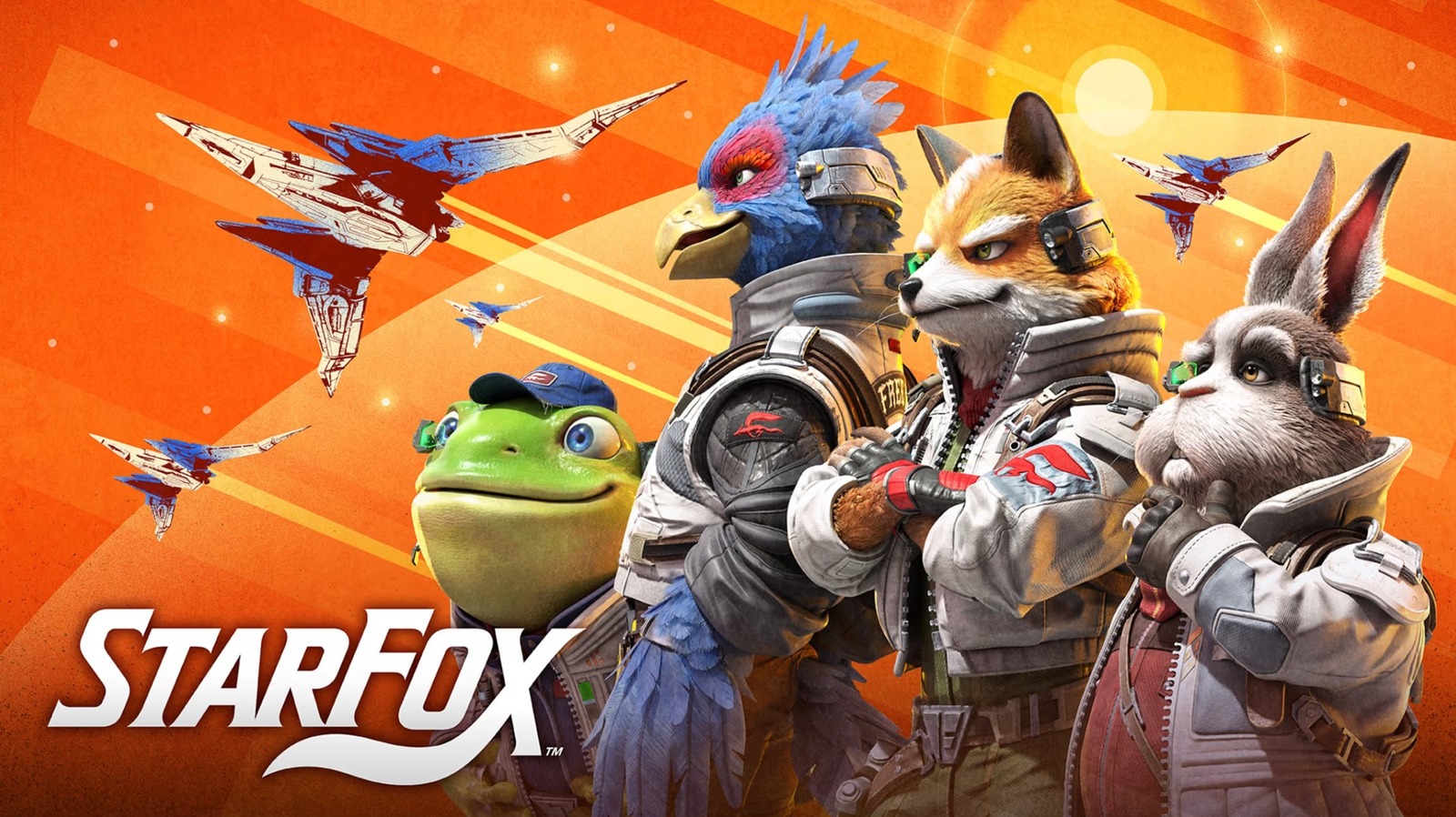
Nintendo has officially released a remake of Star Fox 64 for the Switch 2, marking the franchise’s first major entry in approximately ten years. Priced at $50 for a digital download and $60 for a physical cartridge, the June 25 launch represents a strategic test of consumer demand before the company commits resources to an entirely new title in the series.
The release follows a period where Fox McCloud remained largely inactive, appearing primarily in Super Smash Bros. and making a cameo in the latest Mario movie. By revisiting the 1997 classic, Nintendo aims to gauge whether the IP retains sufficient cultural resonance to justify future development, similar to the trajectory that led to Donkey Kong: Bananza.
Visually, the remake offers significant enhancements over the original, with updated cutscenes featuring additional character interactions and smoother flight mechanics. Fox McCloud’s design has been adjusted to a more grizzled aesthetic, aligning with the original Super Famicom box art rather than the stylised look seen in later titles like Mario Galaxy.
Gameplay updates include a first-person point-of-view mode that utilises the Switch 2’s Joy-Con as a mouse cursor for precise aiming. This feature supports co-op play, allowing one player to pilot the Arwing while another acts as the gunner. While the control scheme offers precision, it carries a learning curve that may limit its long-term adoption among veteran players.
Expanded multiplayer modes have also been introduced, including a capture-the-flag-style objective and classic battle royale stages. The integration of facial tracking avatars for Game Chat allows players to overlay animated character models onto their video feeds, though these features are viewed as supplementary to the core rail-shooter experience.
Despite the polished presentation, the underlying gameplay remains a straightforward rail shooter that lacks the depth of modern titles such as Armored Core VI. The release is widely interpreted as a tribute to the series’ legacy rather than a definitive statement on its future commercial potential.
Nintendo will use sales data and player engagement metrics from this remake to determine the viability of a new Star Fox title. The outcome will signal whether the franchise can attract a new generation of pilots or if it will remain a nostalgic asset within the broader Nintendo ecosystem.
