Nintendo seeks dismissal of tariff refund lawsuit, citing voluntary consumer purchases
As the Supreme Court invalidates IEEPA tariffs, Nintendo joins Sony and Microsoft in legal battles, asserting that price increases were transparent and refunds belong solely to the importer.
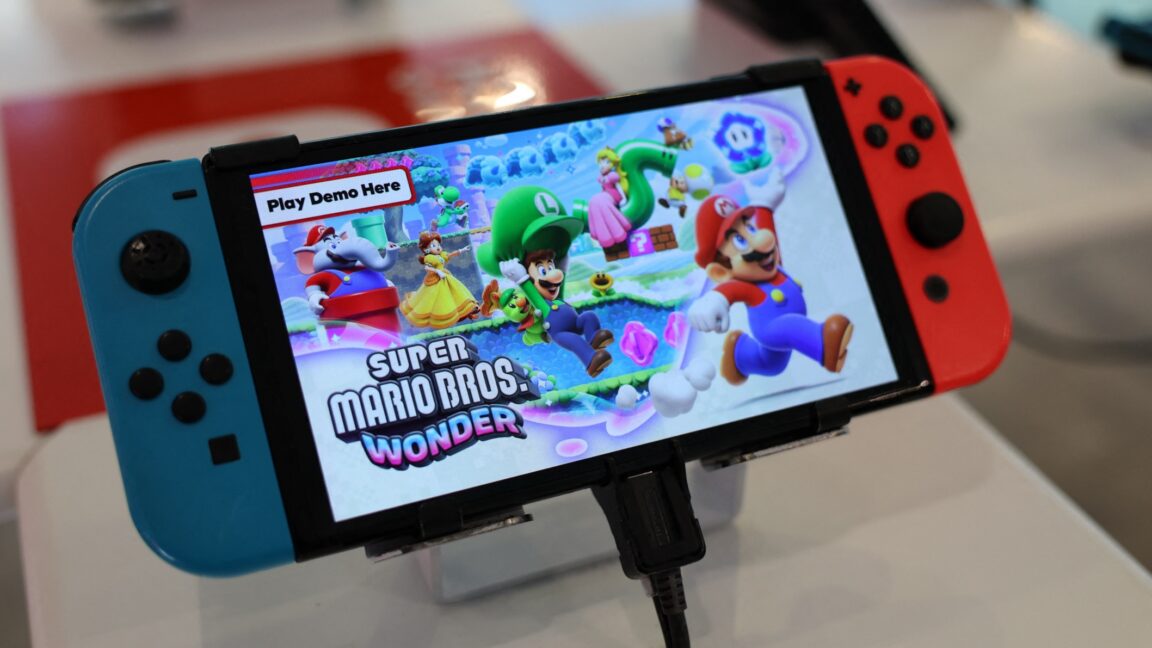
Nintendo has filed a motion to dismiss a class action lawsuit in the US District Court for the Western District of Washington, arguing that consumers have no legal entitlement to refunds from government tariff reimbursements. The lawsuit, filed in April by Gregory Hoffert and Prashant Sharan, alleges that Nintendo unjustly enriched itself by raising prices on Switch consoles and accessories due to tariffs, while simultaneously seeking refunds from the federal government after the tariffs were invalidated. Nintendo contends that customers voluntarily paid the advertised prices and received the products, meaning they suffered no legal injury.
The complaint alleges that Nintendo violated the Washington Consumer Protection Act by raising prices on the original Switch console by $30 to $50 and adding $5 to $10 to various Switch 2 accessories. Plaintiffs argued that the company failed to disclose its intent to seek tariff refunds and retained profits generated from these price increases. Nintendo responded that the doctrine of unjust enrichment does not apply when a party voluntarily pays a purchase price and receives a product in return, stating that plaintiffs received exactly what they paid for.
Nintendo told the court that the plaintiffs are asking the judiciary to invent a legal duty to retroactively re-price completed sales simply because the legal landscape has changed. The company asserted that the fact it stands to receive tariff refunds from the federal government does not confer any legal entitlement to those funds upon consumers. This argument mirrors potential defences identified by legal experts, who note that unjust enrichment claims are often unavailable where an express contract governs the relationship between parties.
The case is part of a broader wave of litigation against major technology firms following Supreme Court rulings that invalidated certain International Emergency Economic Powers Act (IEEPA) tariffs imposed by President Trump. A similar lawsuit was filed against Sony in May in the Northern District of California, while a separate action seeking refunds for Xbox buyers was lodged against Microsoft on July 17. Nintendo is also one of many companies suing the Trump administration to ensure the government issues refunds for the invalidated tariffs, as the government refund portal is restricted to importers and authorised customs brokers.
In addition to the motion to dismiss, Nintendo has filed a motion to compel arbitration for plaintiff Hoffert, citing evidence that he affirmatively accepted contractual agreements with the company. The company expressly reserves the right to move to compel Mr Sharan’s claims to arbitration if discovery reveals his claims are arbitrable. With over 100 putative consumer class actions filed nationwide since the Supreme Court ruling, businesses face significant litigation risk, though no court has yet ruled on the core legal theories regarding tariff pass-throughs and refunds.
