Nintendo raises Switch 2 prices in US and Japan as memory shortage impacts supply
Nintendo has announced price hikes for its upcoming Switch 2 console in both the United States and Japan, attributing the move to a persistent shortage of memory chips that the company expects will dampen sales figures.
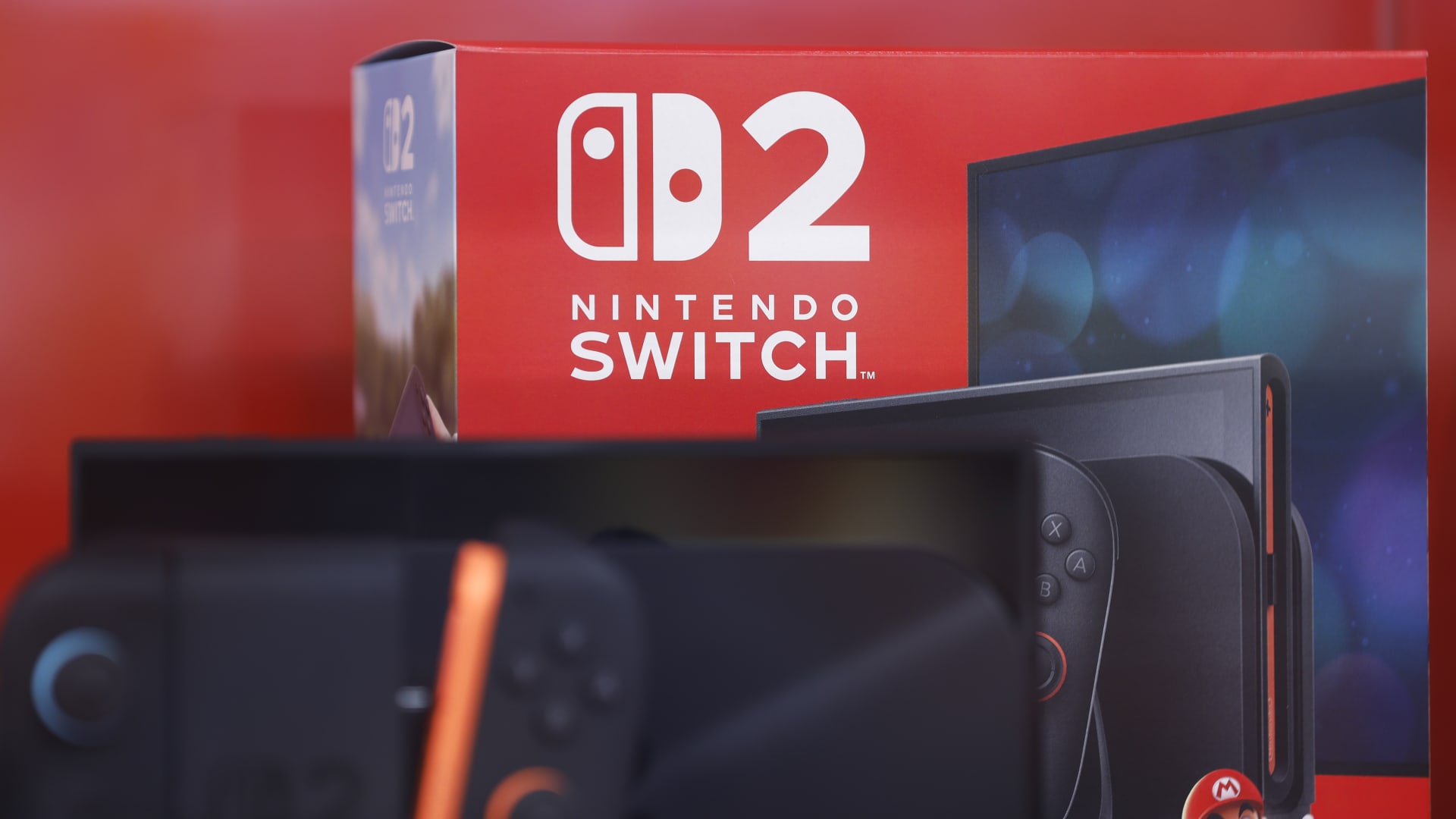
Nintendo has confirmed a price increase for the Switch 2 console in the United States and Japan, a decision driven by ongoing constraints in the global supply chain. The company stated that the rising costs associated with a memory crunch have necessitated the adjustment to retail prices in these key markets.
In the United States, the retail price for the Switch 2 will rise from $449.99 to $499.99. Simultaneously, Japanese consumers will see the price increase from 49,980 yen to 59,980 yen. These specific figures mark the new baseline for the successor to the original Nintendo Switch console as it prepares for wider availability.
The decision to hike prices is directly linked to the availability of critical hardware components required for gaming consoles. Nintendo explicitly identified a shortage of memory chips as the primary factor influencing this financial strategy, noting that such supply constraints are currently affecting the production and pricing of the device.
Beyond the immediate impact on consumer costs, the company has issued a cautionary note regarding market performance. Nintendo stated that it expects console sales to decline as a direct result of these supply constraints and the associated price adjustments. This forecast highlights the delicate balance between maintaining profitability and managing demand in a volatile semiconductor environment.
While the broader technology sector has seen significant institutional buying in areas such as NVIDIA and Amazon, Nintendo's specific situation remains tied to hardware component availability rather than general market sentiment. The memory crunch presents a unique challenge for the gaming industry, distinguishing this event from broader trends in tech stock performance.
The implications of this move extend to investor expectations and consumer sentiment in both regions. As the company navigates these supply chain realities, the reduction in anticipated sales volumes serves as a forward-looking indicator of the pressure exerted by the current memory shortage on the gaming hardware market.