Nintendo raises Switch 2 prices globally amid rising component costs and tariffs
Effective September 1st, the US price for the console rises to $499.99, following similar increases in Canada and Europe.
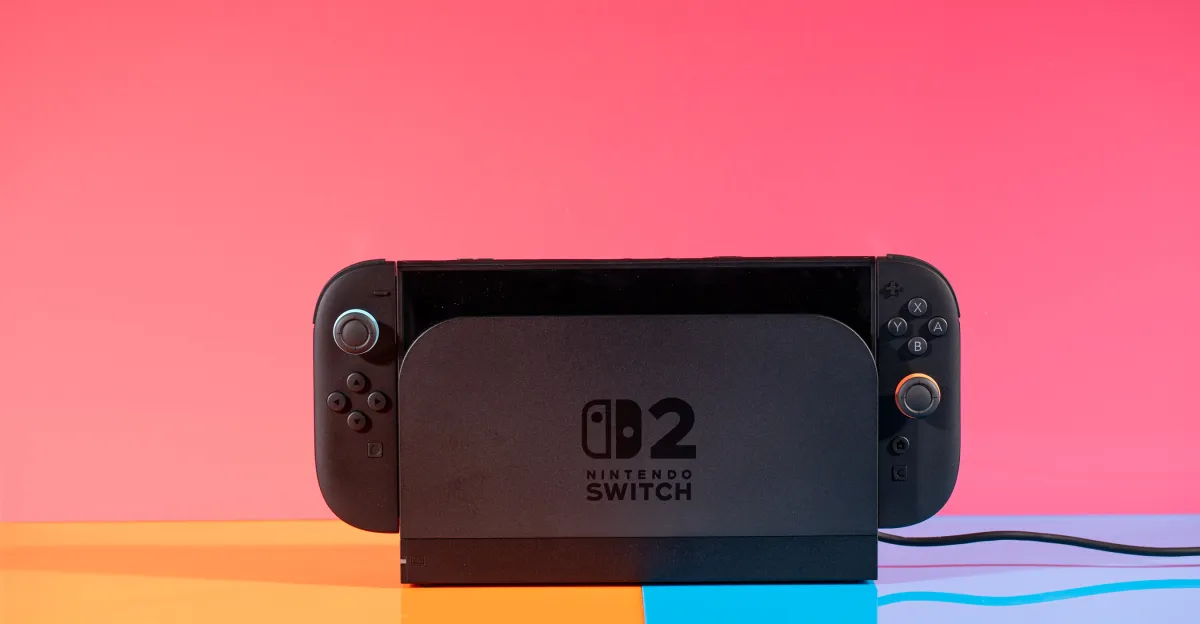
Nintendo has announced global price increases for its Switch 2 console, effective September 1st, citing shifting market conditions as the primary driver. In the United States, the retail price will rise from $449.99 to $499.99, a $50 hike that will also apply to the Canadian market. European customers will see a price increase of €40, bringing the console to €499.99.
The pricing adjustments take effect sooner in Japan, where the increase of ¥10,000 becomes active on May 25th. This earlier implementation in the Japanese market extends beyond the Switch 2 to include other Switch models such as the original, OLED, and Lite versions. Additionally, Nintendo has confirmed that subscription services and uncapped pricing for playing cards will also see sweeping increases in Japan from the same date.
Nintendo attributes these necessary revisions to rising component costs, specifically noting a shortage of memory chips, alongside tariff measures. The company stated that the impact of these various changes in market conditions is expected to extend over the medium to long term. Consequently, Nintendo has issued a formal apology for the impact these price revisions may have on customers and other stakeholders.
The financial implications of the price hike are significant for the company's outlook. Nintendo forecasts a revenue hit of approximately ¥100 billion and predicts a drop in sales for the upcoming fiscal year, FY27. The company anticipates selling 16.5 million units in the coming year, a decrease from the 19.86 million units sold in the first full fiscal year, FY26.
This sales forecast reflects a shift in consumer behaviour, as Nintendo noted that Switch 2 sales were more concentrated in the launch year than previous hardware systems. Historically, such price adjustments in the gaming sector often stem from global supply chain constraints, a trend consistent with recent moves by Sony and Microsoft regarding their PlayStation 5 and Xbox Series consoles.
While the company acknowledges the revenue impact and reduced unit sales, it maintains that the current pricing strategy is required to navigate the ongoing supply constraints affecting the production and pricing of the device. The decision underscores the challenges manufacturers face in balancing component availability with retail affordability in a volatile global economy.
