Nintendo raises Switch 2 price by $50 as console gaming shifts to luxury good
Despite strong sales of nearly 20 million units in less than a year, Nintendo has increased the cost of its latest console, joining competitors like Sony and Microsoft in a landscape where rising input costs are forcing premium pricing strategies.
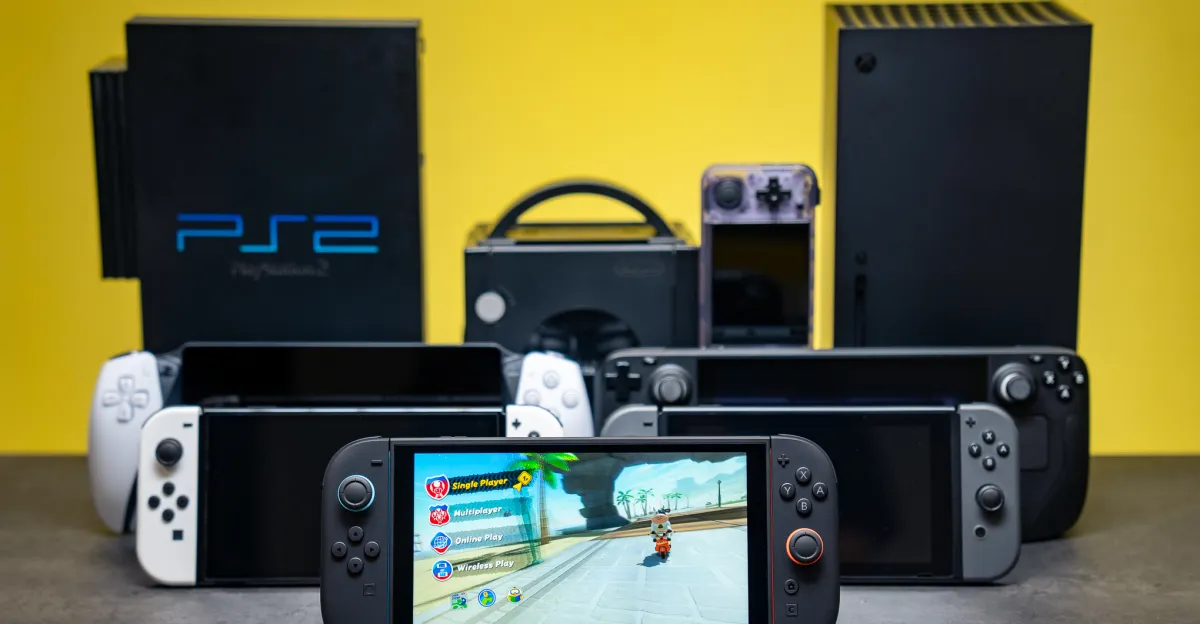
Nintendo has announced a $50 price increase for the Switch 2 console, a decision that marks a significant departure from the historical trend of gaming hardware becoming cheaper over time. The move effectively signals a shift in the industry where console gaming is increasingly viewed as a niche luxury good rather than a mass-market commodity. This strategic pivot comes as the company navigates a broader landscape of volatility characterised by rising hardware costs, persistent layoffs, and studio closures across the sector.
The price hike is set to take effect in Japan on May 25th, while consumers in the United States, Canada, and Europe will face the new pricing structure from September 1st. Nintendo cites "changes in market conditions" expected to extend over the medium to long term as the primary driver for the decision. Specifically, the company points to the impact of tariffs and a global memory shortage as the factors necessitating the adjustment to the product's cost base.
This decision occurs despite the Switch 2 selling close to 20 million units in less than a year, a figure that includes the movement of approximately 15 million copies of the launch title, Mario Kart World. The timing of the increase is particularly notable, as it coincides with the holiday months, a traditionally huge sales period for game consoles. While the company has historically weathered industry storms, this move suggests that even a relatively successful launch cannot insulate the business from structural cost pressures.
The situation highlights a stark contrast with the company's current legal stance; Nintendo is simultaneously suing the US government regarding illegal tariffs, seeking a prompt refund with interest. The irony of raising domestic prices while contesting the validity of the tariffs that drive those costs underscores the complexity of the current regulatory and economic environment facing the firm. This dual approach places Nintendo in a difficult position as it attempts to balance revenue protection with its legal arguments against foreign trade policies.
Competitors in the sector are following a similar trajectory, with Microsoft having raised prices for the Xbox and its accessories last spring, and Sony seeing the cost of the PS5 rise multiple times over the last year. Recent data indicates the sensitivity of the market to these changes, with Sony reporting a 46 per cent drop in PS5 sales over the last fiscal year. As Microsoft prepares to launch Project Helix and Valve introduces Steam Machines, the expectation is that premium-priced hardware will define the next generation of gaming, leaving little room for budget devices.
The broader implications suggest that the era of affordable entry-level gaming consoles may be drawing to a close. With the Switch 2 already controversially expensive, a $50 increase during a period of financial pressure for consumers is unlikely to go unnoticed. Industry analysts note that while Nintendo may mitigate some impact with upcoming holiday titles, the early momentum of the console is likely to slow heading into its second year. The question now remains how much of the console space will remain accessible to the average consumer once these new pricing norms become entrenched.
