Nintendo agrees to $40 million fine in France over Joy-Con drift disclosures
The Direction Générale de la Concurrence, de la Consommation et de la Répression des Fraudes imposed the penalty on Nintendo of Europe for misleading consumers between 2018 and 2023.
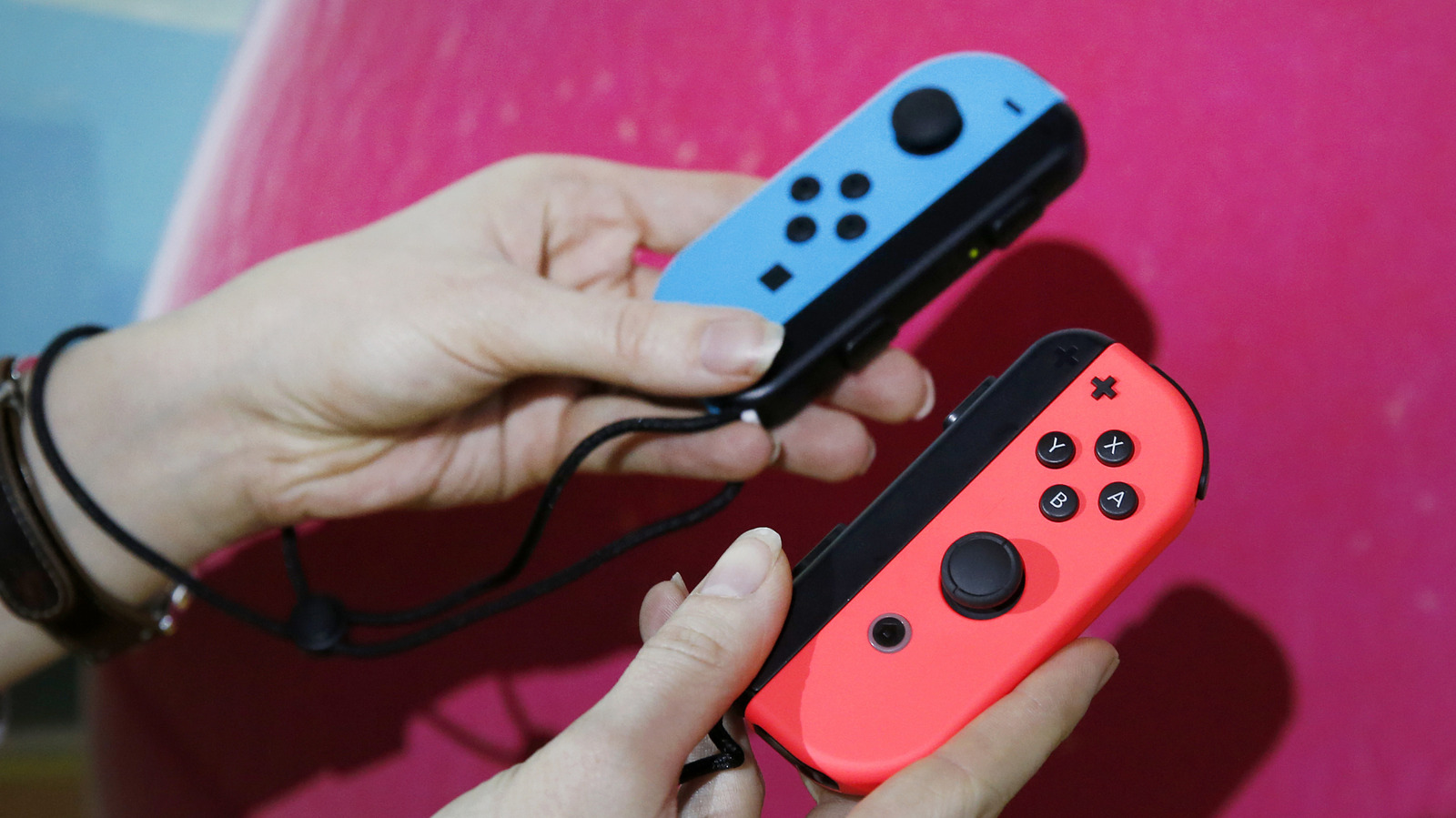
French consumer protection authorities have imposed a 35 million euro fine, equivalent to approximately $40 million, on Nintendo of Europe regarding the company's handling of Joy-Con stick drift issues. The Direction Générale de la Concurrence, de la Consommation et de la Répression des Fraudes, known as DGCCRF, determined that the Japanese gaming giant engaged in deceptive business practices by failing to adequately acknowledge the hardware defect to consumers for several years.
The regulator’s investigation focused on the period between 2018 and 2023. According to the DGCCRF, Nintendo misled customers by delaying public acknowledgment of the stick drift problem until 2020, despite the issue being present since the Nintendo Switch’s release in 2017. The defect causes thumbsticks to register movement without physical contact, a widespread hardware failure that has triggered class action lawsuits and investigations globally.
Nintendo of Europe has agreed to pay the penalty. As part of the settlement terms, the company is required to display a notice of the violation on the homepage of its French website. This requirement serves as a public record of the deceptive practices, ensuring that consumers are informed of the regulatory breach when accessing the company’s local digital presence.
While the fine addresses the communication failures surrounding the defect, the DGCCRF noted that Nintendo had already begun offering free repairs for affected Joy-Con controllers in 2019. The authority’s ruling highlights a distinction between the remediation of the hardware and the transparency of the company’s disclosures during the interim period.
The DGCCRF operates as France’s primary consumer protection agency, functioning similarly to the United States Federal Trade Commission. Its intervention underscores the increasing scrutiny faced by technology and entertainment firms regarding product reliability and consumer transparency in the European market.