Nigeria grapples with crypto boom as regulators target fraud and manipulation
A France 24 report highlights the dual reality of Nigeria’s digital asset market: a hedge against naira depreciation for millions, yet a landscape rife with financial risk and regulatory challenges.
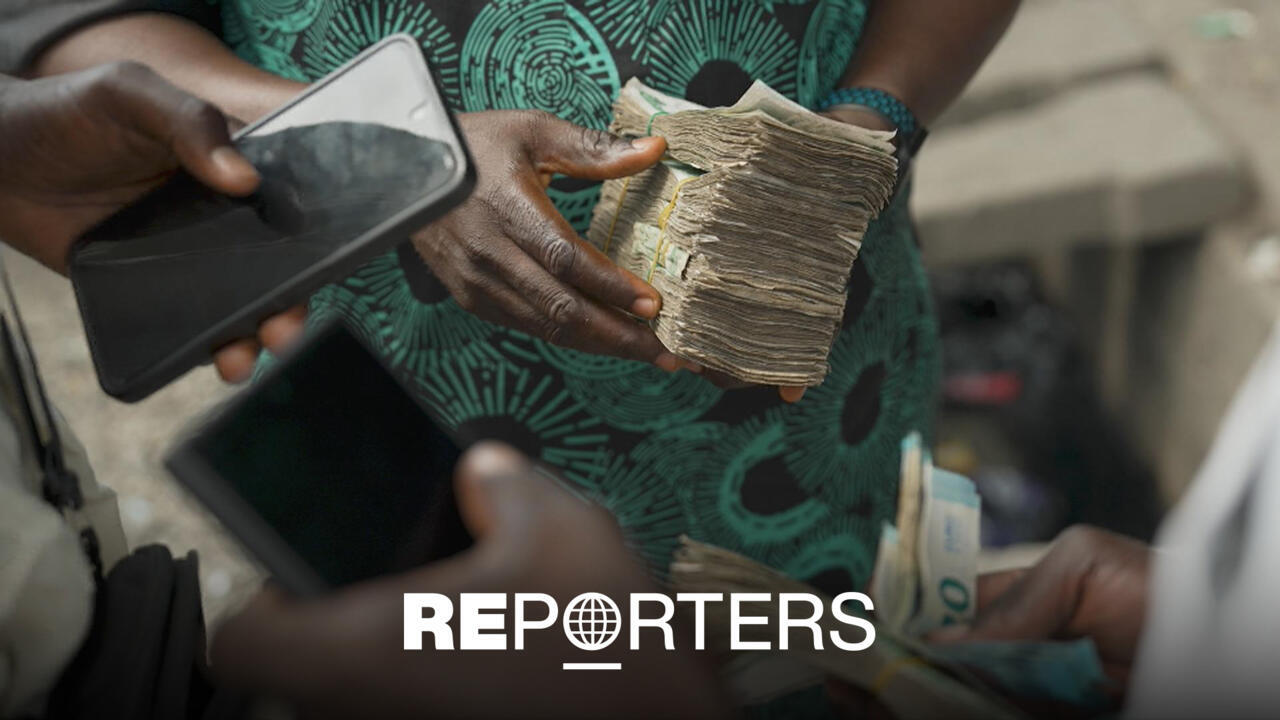
Cryptocurrency has integrated itself into the daily financial lives of nearly one in ten Nigerians, a shift driven primarily by the sustained depreciation of the naira and persistent high inflation. As the local currency loses value, citizens are increasingly turning to digital assets to preserve wealth and facilitate transactions, with stablecoins pegged to the US dollar emerging as a preferred tool for saving and transferring funds outside traditional banking channels.
The appeal extends beyond currency hedging, particularly among younger demographics seeking economic mobility. Social media influencers frequently promote cryptocurrency trading as a viable pathway to financial success, showcasing curated narratives of rapid returns. These online endorsements have fuelled a surge in participation, with many young Nigerians engaging in trading platforms in the hope of securing quick profits amidst broader economic hardship.
However, this rapid adoption has exposed significant vulnerabilities within the sector. A recent report by Yassin Ciyow for France 24’s Reporters programme underscores the severe risks accompanying this growth, including widespread fraud, market manipulation, and money laundering. The allure of easy money often obscures the prevalence of scams, leaving many participants vulnerable to financial loss in an unregulated environment.
In response to these systemic challenges, authorities and private sector entities are collaborating to establish more robust regulatory frameworks. The focus is currently on improving oversight mechanisms to mitigate risks and providing support for victims of financial fraud. This collaborative effort aims to balance the need for financial innovation with the imperative of consumer protection in a market that has become integral to the Nigerian economy.
The situation reflects a broader tension in emerging markets where digital finance offers an alternative to unstable traditional banking systems but lacks the safeguards necessary to prevent exploitation. As Nigeria continues to navigate its monetary instability, the development of clear regulatory standards will be critical in determining whether the crypto sector can serve as a stable economic pillar or remain a high-risk frontier.