NHS in England faces 16th resident doctor strike as BMA and Health Secretary clash over pay
The British Medical Association blames new Health Secretary James Murray for the escalation, while the government cites a 33.4% pay rise over four years as justification for rejecting further increases.
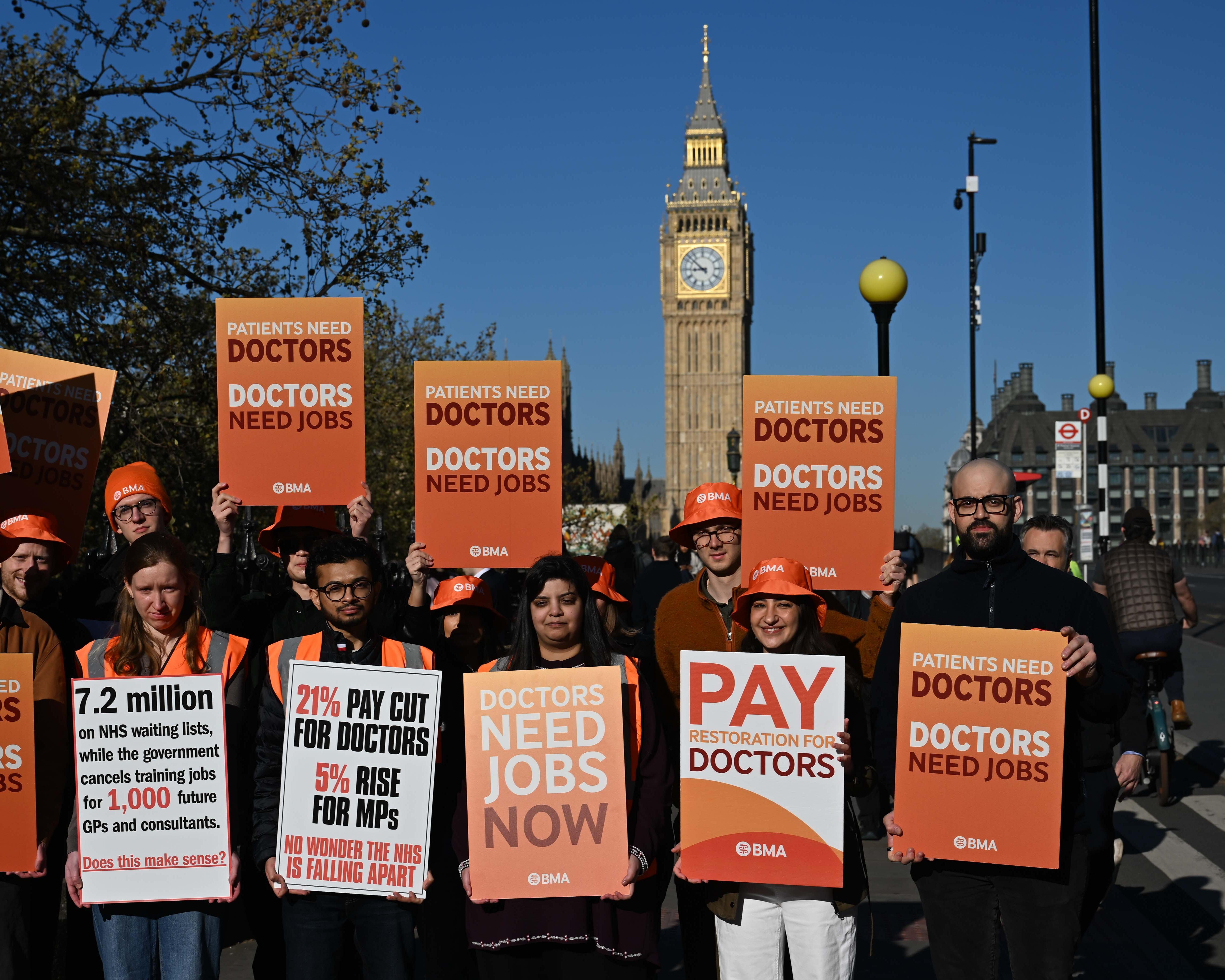
Resident doctors in England are set to stage a four-day strike from 7am on Monday, 15 June to 6.59am on Friday, 19 June, marking the 16th stoppage in their long-running dispute regarding jobs and pay. The British Medical Association (BMA) has attributed the decision to the stance of the new Health Secretary, James Murray, who dismissed the union’s pay claims as unrealistic and unaffordable.
The upcoming 96-hour action will significantly disrupt NHS care, forcing hospitals to rearrange tens of thousands of diagnostic tests, outpatient appointments, and operations. This marks the latest escalation in a conflict that began in March 2023, with the BMA warning that further stoppages in July are likely if progress toward their demands is not made.
The union is demanding a pay increase to offset what it describes as a 26% loss in the real-terms value of salaries since the 2008-09 financial year. Additionally, the BMA is urging the NHS to significantly expand training places for medical specialties. The union represents approximately 55,000 of the 75,000 resident doctors in England.
Health Secretary James Murray, who succeeded Wes Streeting on 14 May, rejected the claims during a meeting with BMA representatives earlier in the week. Murray stated that resident doctors have received a 33.4% pay rise over the last four years, the highest in the public sector, and argued that further substantial increases are unsustainable. He described the strike action as unnecessary and unreasonable, noting it places additional pressure on staff and costs the NHS hundreds of millions of pounds.
Dr Jack Fletcher, chair of the BMA’s resident doctors committee, expressed disappointment that the change in leadership at the Department of Health and Social Care had not altered the government’s approach. Fletcher stated that the union had hoped for a new strategy but encountered the same unwillingness to move as under his predecessor. He criticised the lack of concrete commitments on jobs and pay, stating that negotiations in good faith are impossible when there is nothing left to negotiate on financial terms.