NFL Draft evaluations prioritise organisational discipline over predictive accuracy, study finds
A retrospective review indicates that while draft grades frequently mispredict individual player outcomes, they remain a valuable metric for assessing team building processes and value alignment
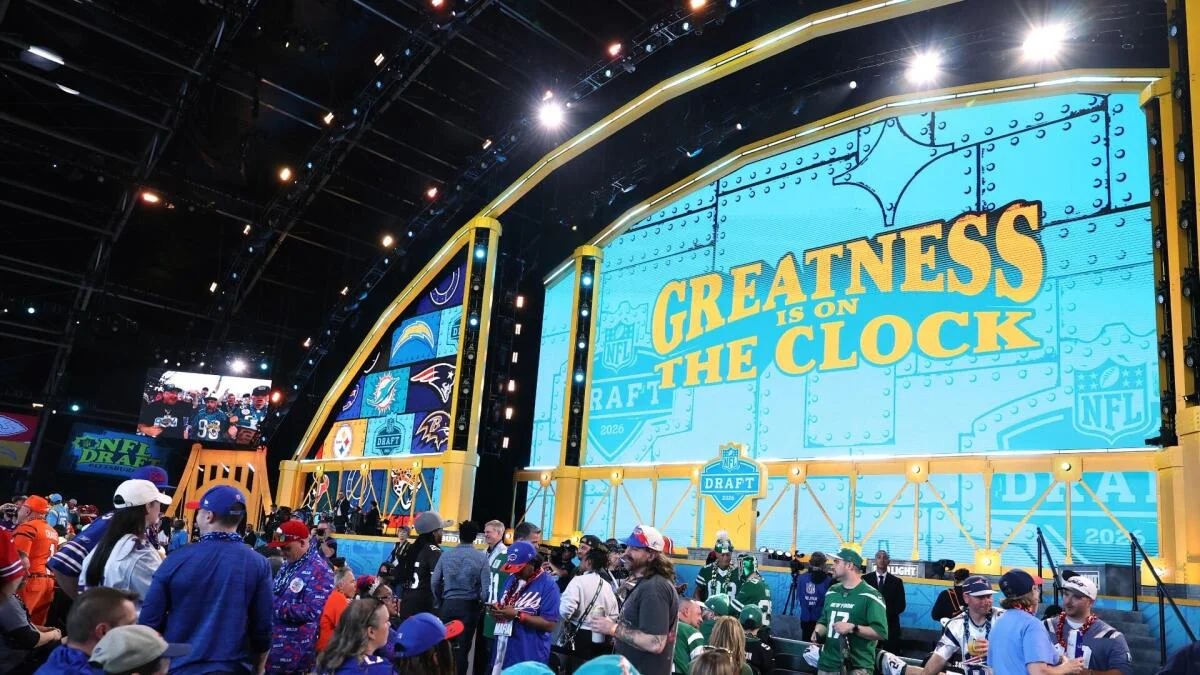
A retrospective analysis of NFL Draft grades spanning five years concludes that these evaluations are primarily useful for assessing team drafting processes and organisational discipline rather than predicting future win-loss records. The study, conducted by a CBS Sports evaluator covering the period from 2021 to 2025, found no statistical correlation between an evaluator's draft grades and a team's winning percentage in the subsequent two seasons.
The findings suggest that draft grades function as snapshots of belief and process at the time of selection, rather than forecasts of outcome. While the evaluations often prove incorrect regarding specific player trajectories, they successfully capture the intent and value alignment of franchises. The analysis indicates that how a team is graded in April has very little immediate connection to how it performs on the field in the fall.
Specific case studies highlight the divergence between external grading and internal team success. The Rams were graded poorly in 2021 but later excelled due to player development, whereas the Patriots were graded highly in 2021 but struggled subsequently. Conversely, the Chiefs and Bills maintain consistent success despite fluctuating draft grades, largely attributed to franchise quarterback stability.
The report notes that teams such as the Raiders and Titans possess top-tier draft classes yet remain unsuccessful, underscoring that acquiring talent is only one component of team building. The analysis identifies the concept of a team being "one class away" from success as a myth, as organisational alignment, coaching continuity, and quarterback play often outweigh the specific talent selected in a single draft.
The evaluation process relies on a single perspective regarding positional values and interpretation of traits, rather than internal team data such as medical reports, psychological profiles, or scheme-specific requirements. Consequently, what appears as a reach from an external viewpoint may represent a perfect fit internally, meaning grades reflect organisational intent rather than definitive truth about team philosophy.
Ultimately, the study posits that draft grades are not meaningless but require contextualisation. They reveal patterns in organisational behaviour and discipline over time but cannot predict wins and losses due to variables such as scheme changes, development paths, coaching turnover, and injuries.