New York Artist Uses Modified Citi Bikes to Map Housing Affordability Crisis
Brooklyn-based creator Justin Blinder’s project cross-references GPS data with US Census Bureau statistics to alter bike resistance, offering a tactile experience of New York’s housing market disparities.
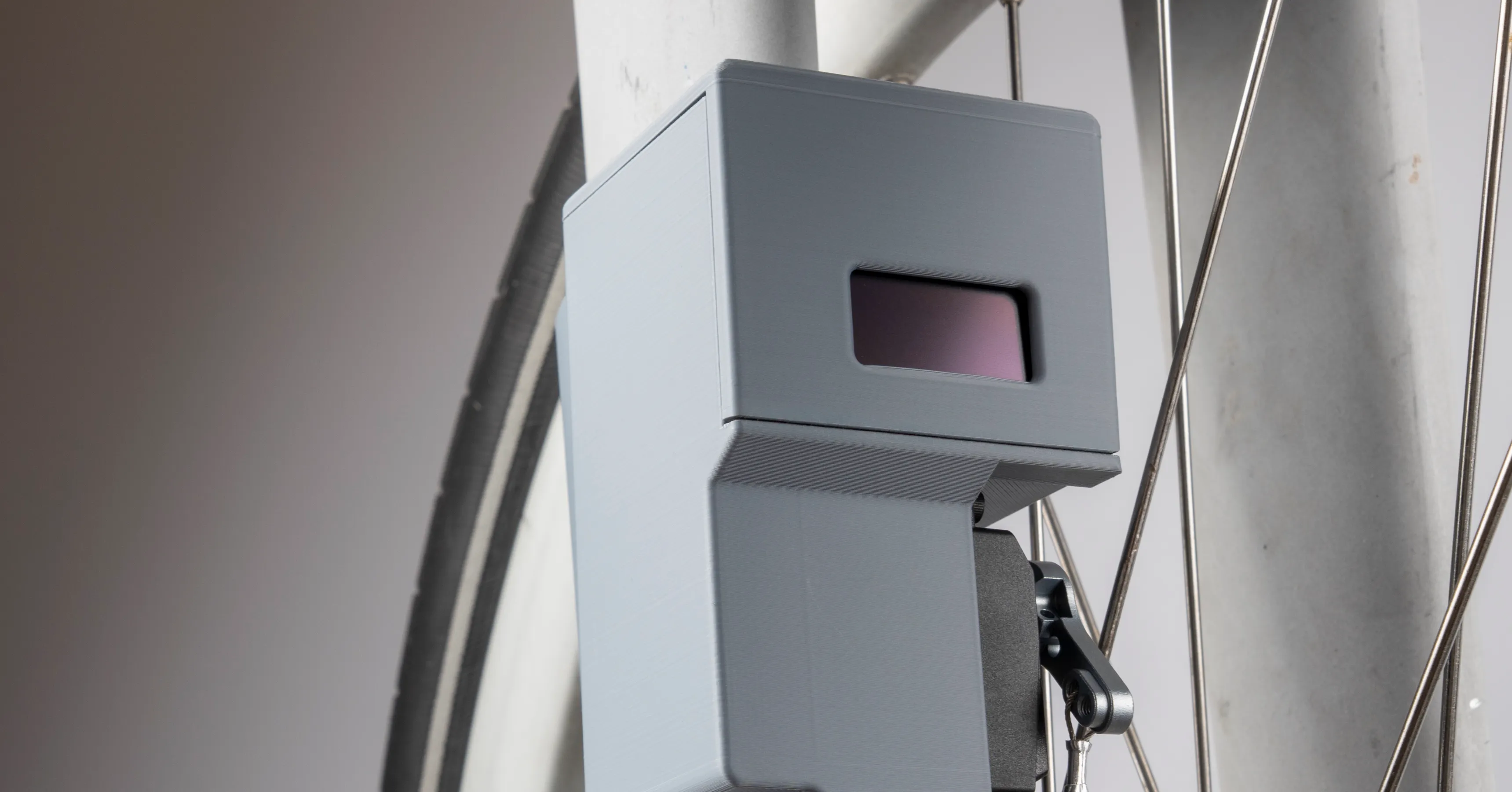
Brooklyn artist Justin Blinder has developed an art installation called Ground Truth, which modifies Citi Bikes to increase pedalling resistance in rent-burdened neighbourhoods. The device uses GPS data to cross-reference the bike's location with household economic data, physically slowing the bicycle in areas where residents spend more than 30 percent of their income on rent. The project aims to provide a tangible experience of income inequality and housing affordability issues in New York City.
Blinder, a contractor at Meta, received a $10,000 grant for the project from the Brooklyn arts organisation Idle Hands. The Ground Truth device is a box mounted on the bike’s fork, attached to the front brake line, and uses a battery-powered GPS component to track location. A microcontroller triggers a small motor to apply the brake when the bike passes a block with high rent insecurity, adding physical resistance to the pedals.
The initiative is rooted in Blinder’s personal experience during the 2020 pandemic, where he worked as a food delivery cyclist and observed economic disparities block-by-block. The device cross-references location data with household economic data from the US Census Bureau’s American Community Survey. Citi Bikes are Lyft-owned electric bicycles available for rent across New York City.
Blinder has ridden approximately 35 miles filming the experience as the device changes resistance in different communities. The project also aims to highlight the rising cost of Citi Bike rentals, which have increased in price for five consecutive years. Blinder previously created the Pandemic Pulse app, which used real-time Covid statistics to alter screen brightness.
The project is described as an art installation and not a working product, so widespread availability or commercial use is not anticipated. Specific details on the long-term impact or public reception of the 35-mile test ride are not yet available.